
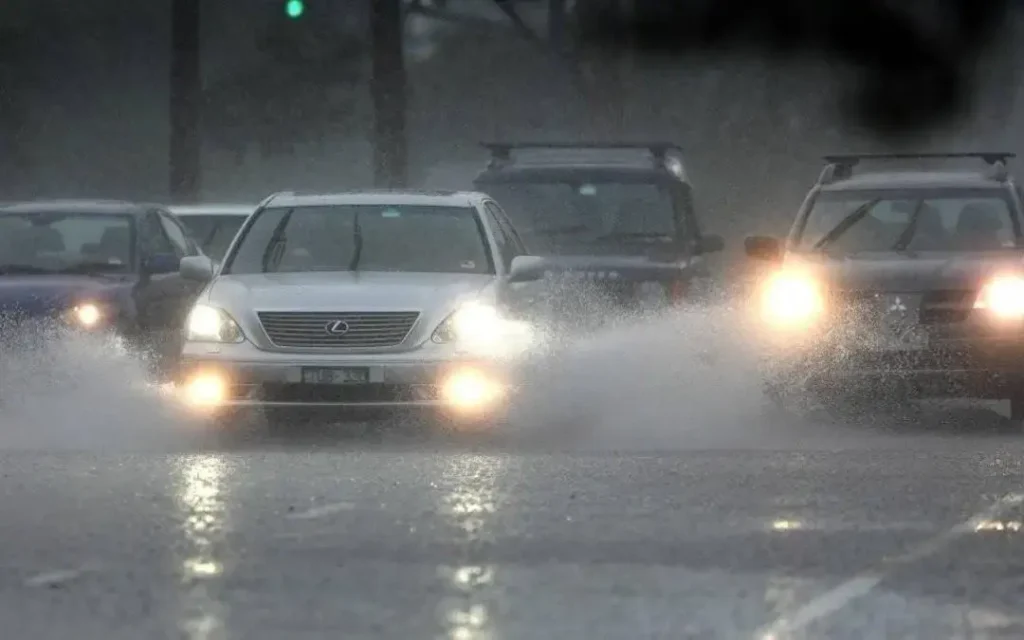
المطر في الليل ليس “أكثر قتامة” - إنه أكثر ضوضاءً
إذا كنت تشعر بالتعب أثناء القيادة في الليل الممطر، فعادةً ما يكون السبب في ذلك هو أن عينيك تعالج الكثير من الضوضاء البصرية: الانعكاسات عن الأسفلت المبلل، وهالات الضوء من السيارات القادمة، و الزجاج الأمامي لا تبدو واضحة تماماً.
والخبر السار هو أنه يمكنك إصلاح الكثير من ذلك دون لمس الأسلاك أو المصابيح أو “الترقيات”. هذه عملية صيانة روتينية تركز على نتيجة واحدة: اجعل المنظر من خلال الزجاج والمرايا يبدو هادئاً وحاداً مرة أخرى.
الصورة الذهنية التي يجب أن تضعها في ذهنك
على الطريق المبلل، لا ينتقل الضوء إلى الأمام فقط. بل يرتد إلى الخلف. إذا كان زجاج سيارتك الأمامي يحتوي حتى على طبقة رقيقة، فإن هذه الانعكاسات تتحول إلى الوهج سريعًا. وهذا هو السبب في أن “المزيد من السطوع” غالباً ما يكون أسوأ في المطر.
فيلم الزجاج الأمامي: سبب تحول المصابيح الأمامية #1 إلى هالات
معظم الناس يلومون المطر. في كثير من الأحيان يكون السبب في الواقع طبقة رقيقة من الأوساخ على الزجاج، خاصة من الداخل.
الغشاء الخارجي مقابل الضباب الداخلي (مشكلتان مختلفتان)
يأتي الغشاء الخارجي عادةً من رذاذ الطريق: البقايا الزيتية ورذاذ الديزل والملح والأوساخ العامة التي تلطخها المساحات.
الضباب الداخلي أكثر تسللاً: انبعاث الغازات من البلاستيك، وبقايا المنظفات، وبصمات الأصابع، ورطوبة المقصورة التي تترك طبقة باهتة.
إذا قمت بتنظيف الجزء الخارجي فقط، ستظل تشعر بأن “كل ضوء له هالة”.
طريقة بسيطة من الزجاج الداخلي لا تترك خطوطًا داخل الزجاج
اركن سيارتك في الظل (أو قم بذلك عندما يكون الزجاج بارداً).
استخدم منظف زجاج غير زيتي.
استخدم قطعتين من القماش: واحدة للتنظيف والأخرى للتجفيف التام.
امسح في اتجاه واحد، ثم قم بالمسح في الاتجاه الآخر - وهذا يجعل الخطوط واضحة.
ركّز على الرؤية المركزية للسائق أولاً. هذا هو المكان الذي يضر فيه الوهج أكثر من غيره.
اختبار سريع (30 ثانية)
في الليل، قم بتسليط مصباح هاتفك اليدوي على الجزء الداخلي من الزجاج الأمامي بزاوية.
إذا رأيت “لمعاناً” غائماً أو أنماطاً غير مكتملة من البقع، فقد وجدت المشكلة.

الخدوش الدقيقة وآثار المساحات: عندما لا تزال “النظافة” تبدو سيئة
في بعض الأحيان تقوم بكل شيء بشكل صحيح - زجاج نظيف ومساحات جديدة - ومع ذلك يبدو الطريق متوهجاً. قد يكون ذلك بسبب تآكل الزجاج الأمامي نفسه.
كيف تبدو الخدوش الدقيقة في القيادة الحقيقية
تبدو الهالات “لامعة” وليست ضبابية فقط
يزداد الوهج سوءاً عندما يكون الزجاج الأمامي مبللاً
تلاحظ وجود مسار ممسحة على شكل قوس خافت عندما تصطدم به الأضواء بشكل صحيح
هذا ليس مقالاً لإصلاح الزجاج الأمامي بنفسك، لكنه تشخيص مفيد: إذا كان الزجاج مهترئاً بشدة، يمكنك تحسين الأمور كثيراً بالتنظيف، لكن لا تتوقع الكمال.
عادة واحدة تمنع تفاقم المشكلة
تجنّب المسح الجاف. إذا كان الزجاج الأمامي مترباً أو مليئاً بالأتربة أو الشوائب، لا تقم بتشغيل الماسحات جافة “لمجرد الفحص”. استخدم سائل الغسيل أولاً.
الماسحات التي تتحرك ولكن لا تنظف: ما الذي يجب فحصه (بدون تفكير زائد)
يمكن أن تكون الماسحات “تعمل” ولا تزال مدمرة الرؤية.
الأعراض التي تهمك
استبدل الشفرات إذا لاحظت أياً منها في منطقة رؤية السائق:
شريط خطي دائم لا يزول بعد مرور عدة مرات
الثرثرة/التخطي (خاصة عند سرعات معينة)
مقاصة غير متساوية لليسار مقابل اليمين
التلطيخ الذي يزداد سوءاً كلما طالت مدة القيادة
المسح على حافة الشفرة لمدة 30 ثانية
عند الوقوف بأمان:
تُبلل قطعة قماش من الألياف الدقيقة بالماء
اقرص الحافة المطاطية وامسح على طولها
إذا تحول لون القماش إلى اللون الداكن، فهذا يعني أن الأوساخ كانت تسحب على الزجاج الأمامي طوال الليل.
لا يؤدي ذلك إلى “إصلاح” المطاط القديم، ولكنه يمكن أن يقلل بشكل ملحوظ من التلطيخ المفاجئ في الرحلة.
قاعدة واقعية واحدة
إذا وجدت نفسك تميل إلى الأمام أو تحرك رأسك “للعثور على بقعة خالية”، تعامل مع ذلك على أنه فشل في الصيانة. المطر على سرعة الطريق السريع ليس الوقت المناسب للأمل في أن يتحسن الوضع
سائل الغسالة ونمط الرذاذ : إعادة تعيين الطوارئ في حالة الرذاذ الكثيف
في المطر، كلمة “مبلل” لا تعني “نظيف”. غشاء الطريق زيتي. وغالباً ما تنشره مياه الأمطار.
اختبار المسحة الواحدة
على الزجاج الأمامي المبلل قليلاً: قم برش سائل الغسيل مرة واحدة، وامسح مرة واحدة.
إذا تم تنظيفه بشكل نظيف: جيد.
إذا تحوّل إلى ضبابية دهنية: فهذا يعني أن السائل لا يقطع الغشاء (أو أن الزجاج ملوث بشدة).
هدف الرذاذ مهم أكثر مما يعتقد الناس
إذا أصابت الفوهات في الغالب الزوايا السفلية أو تجاوزت خط السقف، فأنت لا تنظف الجزء الذي تنظر من خلاله بالفعل. لا تحتاج إلى جلسة مفصلة لاستكشاف الأخطاء وإصلاحها - فقط تأكد من أن الرذاذ يصيب منطقة رؤية السائق.
إزالة الضباب دون الحاجة إلى مسح الضباب
عادة ما يكون الضباب الداخلي عبارة عن رطوبة + زجاج بارد، وليس لغزاً.
النهج الموثوق
قم بتشغيل مكيف الهواء (حتى في الطقس البارد) لتجفيف هواء المقصورة
توجيه تدفق الهواء إلى الزجاج الأمامي مبكراً
استخدم الهواء النقي إذا كانت المقصورة رطبة (السترات المبللة والركاب وحصائر المطر)
ما يزيد الأمر سوءاً
وضع إعادة التدوير الطويل في الطقس الرطب (يحبس الرطوبة)
المسح بيدك أو كمك (يترك لطخة تلتقط الوهج)
إذا سبق لك أن قمت بمسح زجاج أمامي ضبابي ثم قضيت الساعة التالية تحدق في بقعة ملطخة تحت المصابيح الأمامية القادمة - فأنت تعرف بالفعل سبب أهمية ذلك.
المرايا والزجاج الجانبي: حافظ على سهولة قراءة “أدوات اتخاذ القرار” الخاصة بك
عندما تصبح المرايا ضبابية، تصبح تغييرات المسار تخمينات. في المطر، تصبح التخمينات باهظة الثمن.
فيلم المرآة حقيقي
تجمع المرايا الغشاء أيضًا. طبقة رقيقة تجعل القطرات تلتصق وتشوه كل شيء خلفك. نظف المرايا كما تنظف الزجاج: امسح ثم قم بتلميعها حتى تجف.
مرايا ساخنة (إذا كانت لديك)
استخدمها مبكراً. فالانتظار حتى تصبح المرايا في حالة من الفوضى المائية يشبه تشغيل مزيل الضباب بعد أن يصبح الزجاج الأمامي ضبابياً بالكامل، وهو أمر ممكن، ولكنه أبطأ وأكثر إرهاقاً.
عادة التوقف السريع
إذا كنت تسير على الطرقات السريعة الطويلة، فإن المسح لمدة 20 ثانية عند توقف الوقود (المرايا + زاوية الزجاج الجانبي) يمكن أن يعيد لك الكثير من الثقة.
التصميم الخارجي البصريات تحقق من ذلك: مصباح ضباب للسيارة نقاء العدسة (للصيانة فقط)
لا يتعلق هذا القسم بوقت استخدام مصابيح الضباب أو كيفية عمل مصابيح الضباب أو تركيبها أو تسعيرها أو استكشاف الأخطاء وإصلاحها. فقد قمت بالفعل بتغطية هذه المواضيع في مكان آخر.
يتعلق الأمر فقط بالحفاظ على نظافة العدسات المثبتة على مستوى منخفض حتى لا تضيف فوضى إضافية إلى ليلة عاكسة بالفعل.
لماذا تتسخ عدسة مصباح الضباب لعدسة السيارة أولاً
توضع مصابيح الضباب منخفضة، في منطقة الرذاذ مباشرة. فهي تصطدم بـ
ضباب مالح
غشاء زيتي
الحبيبات التي تخشن العدسة/سطح الغطاء ببطء
يمكن أن تجعل عدسة مصباح الضباب المتسخة أو المنقوشة عدسة مصباح الضباب المنطقة أمام السيارة تبدو “ساطعة ولكن ضبابية” على الرصيف المبلل. عادة لا يكون هذا الشعور مشكلة في الطاقة - إنها مشكلة في الوضوح.
سريع مصباح ضباب فحص العدسة/غطاء مصباح الضباب (30 ثانية)
عند الوقوف :
امسح عدسة مصباح الضباب بقطعة قماش نظيفة من الألياف الدقيقة
إذا قمت بإزالة الأوساخ الدهنية على الفور، فهذا يعني أن الغشاء كان موجوداً أثناء القيادة
إذا كانت العدسة لا تزال تبدو غائمة بعد المسح، فقد يكون ذلك بسبب وجود ضباب/حفر دائم في مادة غطاء مصباح الضباب
كيف تبدو الصيانة “الجيدة بما فيه الكفاية”
مسح مصباح الضباب لعدسات السيارة بعد القيادة تحت المطر على الطرق السريعة
لا تقم بالتلميع بقوة إلا إذا كنت تعرف مادة/طلاء العدسة (يمكنك أن تجعل الأمر أسوأ)
إذا كان الغطاء مشوشًا بشكل دائم، فخطط لعملية ترميم/استبدال لاحقًا - فالوضوح هو ما يقلل من توهج الطريق الرطب
روتين نقاء المطر لمدة 10 دقائق (قابل للتكرار)
إذا كنت تريد روتيناً واحداً يمكنك الالتزام به بالفعل:
قبل موسم الأمطار
تنظيف الزجاج الأمامي الداخلي بشكل صحيح (مسح + تلميع)
تنظيف الزجاج الأمامي الخارجي وإزالة الطبقة الخارجية
استبدل شفرات المساحات إذا كان هناك أي خطوط في المنظر الرئيسي
تأكد من أن سائل الغسالة ينظف بالفعل (اختبار المسحة الواحدة)
مرايا نظيفة
مسح عدسات المصابيح الأمامية ومصابيح الضباب لعدسات السيارات
خلال الأشهر الممطرة (بعد القيادة الفوضوية)
المسح السريع: المرايا + عدسة مصباح الضباب + حواف الزجاج الأمامي عند الوقوف
أعد ملء سائل الغسالة قبل أن يفرغ (الأسابيع الممطرة تستنزفه بسرعة)
إذا تفاقم الوهج فجأة في منتصف الموسم
تحقق بهذا الترتيب (أسرع مردود أولاً):
ضباب الزجاج الأمامي الداخلي
شريط تشويه/مسحة الممسحة
فعالية سائل الغسيل
المرايا
مصباح ضباب لعدسة مصباح الضباب لعدسة السيارة/التظليل
الختام اجعل المطر أسهل على عينيك
سيعكس المطر الضوء دائماً. هذا الجزء لا يمكن تجنبه. لكن الشعور “لا أستطيع رؤية أي شيء وكل شيء متوهج” غالباً ما يكون بسبب أسطح سيارتك التي تضيف وهجاً إضافياً فوق الطقس.
اجعل الزجاج نظيفاً حقاً، وحافظ على نظافة المساحات، وحافظ على نظافة المرايا وقراءة المرايا ولا تتجاهل العدسات المثبتة في الأسفل، خاصةً منطقة عدسات مصابيح الضباب الخاصة بعدسات السيارات التي تعيش في منطقة الرذاذ. لن تصبح القيادة مثالية، لكنها ستصبح أكثر هدوءاً، والهدوء أكثر أماناً.

 English
  Español
  Tiếng Việt
  ไทย
ไทย  العربية
  Русский
  Bahasa Melayu
  Français
  Deutsch
  हिन्दी
  Bahasa Indonesia