
معظم الناس لا يتوقفون عن استخدام أضواء شواية السيارة لأن الأضواء معطلة.
يتوقفون عن استخدامها لأن التحكم تشعر بالإزعاج.
ينتهي المفتاح في مكان غريب. تضيء الأضواء عندما لا تريدها. تنسى إطفاءها مرة واحدة، والآن لا تثق بالإعداد. أو تبني شيئًا بخمسة أوضاع ولونين - ثم تدرك أنك في القيادة العادية تريد سلوكًا واحدًا بسيطًا فقط: تشغيلها عندما يكون الأمر منطقيًا، وإيقافها عندما لا يكون الأمر منطقيًا، وبدون أي دراما.
تتناول هذه المقالة استراتيجية التحكم في مصابيح شواء LED-كيفية اتخاذ القرار عندما يتم تشغيلها, كيف تتفاعل معها، وكيفية تجميع الميزات (تخطيطات مزدوجة الألوان ومتعددة الوحدات) دون تحويل المقصورة إلى قمرة قيادة.
لا يوجد عرض تفصيلي للأسلاك. لا استكشاف الأخطاء وإصلاحها. فقط منطق تحكم عملي يناسب القيادة الحقيقية.
ابدأ بالسؤال الذي يتخطاه الناس: “ما هي الوظيفة التي تقوم بها هذه الأضواء؟”
قبل أن تتخذ قرارًا بشأن المفتاح، اتخذ قرارًا بشأن الوظيفة. لأن إعداد التحكم “الأفضل” يعتمد على ما تحاول إنجازه.
تقع معظم إعدادات إضاءة الشواية في إحدى حالات الاستخدام هذه:
- التواجد اليومي للسائق
أنت تريد توقيعاً نظيفاً عندما تقود سيارتك بشكل طبيعي - لا شيء مبهرج، ولا شيء يجذب الانتباه، فقط مظهر أنيق للواجهة الأمامية. - التواجد في الطقس السيئ/التواجد في الأماكن ذات الرؤية المنخفضة
فأنت تريد أن تُرى في المطر، والضباب، والثلج، والغبار - غالباً ما يكون اللون الكهرماني منطقياً هنا، وتريد الوصول السريع. - اتصالات الطرق الوعرة / القوافل / الممرات
أنت تريد أضواء يمكنك تبديلها بسهولة عندما لا تكون في بيئات المرور العادية، وأحياناً مع تغيير اللون. - مرفق موقع العمل/الملكية الخاصة
أنت تريد إضاءة واضحة للرؤية أو إضاءة تحذيرية، وغالباً ما تكون بأوضاع لن تستخدمها على الطرق العامة.
إذا قمت بخلطها في نظام تحكم واحد “يفعل كل شيء”، فعادةً ما تحصل على شيء لا تحبه في أي سيناريو. النظام النظيف عادةً ما يكون نظام الأولوية:: سلوك افتراضي واحد، وآخر التجاوز للحالات الخاصة.
أنماط التحكم الثلاثة التي تغطي الجميع تقريباً
يمكنك بناء الكثير من الأشكال، ولكن معظم الإعدادات هي في الأساس واحدة من هذه الإعدادات.
الخيار أ: مفتاح مستقل (تحكم يدوي)
هذه هي الطريقة التقليدية: أنت من يقرر متى تضاء الأنوار.
لماذا يحبها الناس
- بسيطة ويمكن التنبؤ بها
- يمكنك إطفاء الأنوار في الأحياء، ومرائب السيارات، وعمليات التفتيش، وما إلى ذلك.
- يعمل بغض النظر عما تفعله أضواء المصنع
حيث ينزعج الناس
- يمكنك نسيانها على
- إذا كنت تريدها على كل محرك أقراص، فإن الضغط على مفتاح في كل مرة يصبح قديمًا
- سوء وضع المفتاح السيئ يزيد الأمر سوءًا
الأفضل لـ
- الاستخدام على الطرق الوعرة/المتنقلة حيث لا تريدها مرتبطة بإضاءة المصنع
- الأشخاص الذين لا يريدون إضاءة الأنوار بشكل افتراضي
- السائقون الذين يصعب إرضاءهم عند إضاءة الواجهة الأمامية
إذا اخترت التحكم اليدوي، فإن نجاحك في الغالب يتعلق بـ وضع المفتاح و العادة. ضع عنصر التحكم في المكان الذي تتحرك فيه يدك بشكل طبيعي، واستخدم مفتاحًا يبدو متعمدًا - شيء لن تصطدم به عن طريق الخطأ.
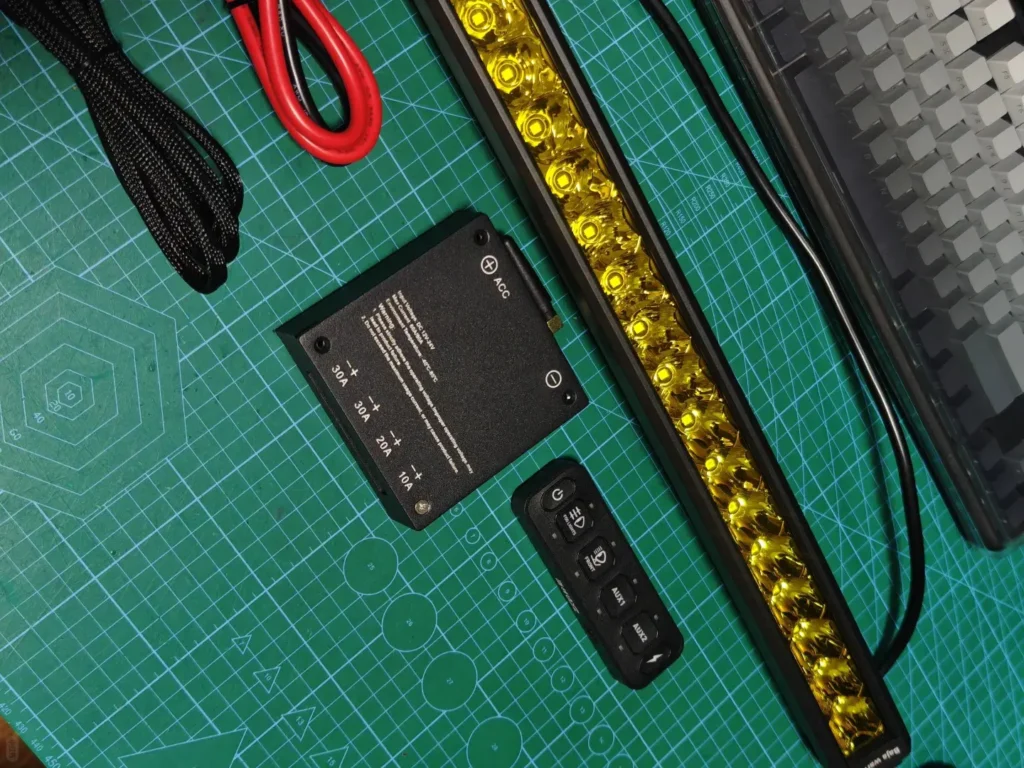
الخيار (ب): يعمل بتشغيل ACC (تلقائي مع الإشعال)
يعني التحكم في ACC أن أضواء الشواية تتبع طاقة الإشعال: المفتاح في وضع التشغيل = الأضواء متوفرة (وغالباً ما تكون مضاءة)، والمفتاح مطفأ = تنطفئ تلقائياً.
لماذا يحبها الناس
- لا يمكنك نسيانهم على
- “تعمل فقط” للقيادة اليومية
- يبدو أقرب إلى سلوك صانع المعدات الأصلية
حيث ينزعج الناس
- في بعض الأحيان لا تريد أن تكون الأضواء مضاءة (مواقف السيارات، أو مواقف السيارات، أو في ظروف معينة)
- قد تبدو “تعمل دائمًا” إذا كنت ترغب في أن يكون الخيار خفيًا
الأفضل لـ
- السائقين اليوميين الذين يرغبون في الحصول على توقيع ثابت
- الأشخاص الذين يريدون أقل قدر من التفكير وأقل قدر من المخاطرة بترك الأضواء مضاءة
غالبًا ما يتضمن الإعداد الجيد لنظام التحكم في التبديل التلقائي في كثير من الأحيان تجاوزًا بسيطًا: تلقائيًا بشكل افتراضي، ولكن يمكنك إيقاف تشغيله عندما تريد. تميل هذه التركيبة إلى أن تكون أفضل ما في الأمر.
الخيار C: مرتبط بأضواء الوقوف / أشعة منخفضة (تكامل إضاءة المصنع)
هذا هو نهج “يجب أن يتصرف كجزء من نظام الإضاءة”. تضيء مصابيح الشواية مع مصابيح ركن السيارة أو المصابيح المنخفضة.
لماذا يحبها الناس
- يتطابق مع إيقاع الإضاءة العادية للسيارة
- تقل احتمالية تشغيل مصابيح الشواء عندما لا يكون ذلك مناسباً
- تبدو متماسكة في الليل (خاصة مع اللون الأبيض)
حيث ينزعج الناس
- قد ترغب في إضاءة الشواية أثناء النهار، ولكنك لا ترغب في تشغيل المصابيح الأمامية
- اعتمادًا على السيارة، يمكن أن تكون دوائر المصنع أكثر حساسية مما يتوقعه الناس
- تفقد التحكم المستقل ما لم تقم بإضافة تجاوز
الأفضل لـ
- الأشخاص الذين يطاردون المظهر الليلي الزائد عن المعتاد
- السائقون الذين يريدون إضاءة الشبكة الأمامية فقط عندما تكون السيارة “في وضع الإضاءة” بالفعل”
إذا كان هدفك هو “الذوق الرفيع دائماً، وليس المبهرج أبداً”، يمكن أن يعمل هذا الأسلوب بشكل جيد للغاية طالما أنك لا تزال تحافظ على بساطة التحكم.
نمط التحكم “عدم الندم” (النمط الذي يفضله معظم الناس في نهاية المطاف)
إذا كنت تنشئ نظامًا للاستخدام اليومي الحقيقي، فإليك النمط الذي يميل إلى أن يكون مناسبًا للاستخدام اليومي:
افتراضي: أضواء تتبع الإشعال أو أضواء الركن
التجاوز: واحد واضح التبديل الذي يفرض إيقاف تشغيلها (واختيارياً وضع ثانٍ “للوضع الخاص”)
سبب نجاح ذلك:
- تحصل على الاتساق دون تفكير
- تتجنب أخطاء البطارية الميتة
- لا يزال لديك طريقة نظيفة لتعطيلها على الفور
ومن المفيد أيضاً أن يقود السيارة أكثر من شخص واحد. لا بأس بمخطط التحكم المعقد إلى أن يستعير زوجك أو زميلك في العمل أو صديقك السيارة ولا يكون لديه أي فكرة عما لا يجب الضغط عليه.
وضع المفتاح: القرار الأكثر مللاً الذي يحسم كل شيء
يقضي الناس ساعات في اختيار الأضواء ثم يضعون مفتاحاً في أي مكان فارغ.
تشعر بهذا الخيار كل يوم.
بعض مبادئ التنسيب التي تجعل أضواء شواية السيارة أسهل للتعايش معها:
- لا تخفي المفتاح إذا كنت ستستخدمه كثيرًا. تعتبر المفاتيح المخفية رائعة إلى أن ترغب فعلاً في تغيير شيء ما أثناء القيادة.
- لا تضعه حيث تصطدم به الركبتين. التبديل العرضي أكثر شيوعًا مما يعترف به الناس.
- لا تجعل التبديل يبدو وكأنه فكرة متأخرة. يبدو التثبيت النظيف أفضل في الاستخدام، وسوف تستخدمه أكثر.
إذا كنت تريد أن يبدو الإعداد “مصنعاً”، ففكر في كيفية الشعور بأدوات التحكم في المصنع: يمكن الوصول إليها، ومتسقة، وغير مربكة.
مصابيح شواية LED ثنائية اللون: حافظ على المنطق البشري
تبدو ثنائية الألوان ممتعة حتى تصبح مزعجة. الهدف ليس الحصول على المزيد من الخيارات - بل الحصول على صحيح الخيارات.
فيما يلي أساليب التحكم التي تحافظ على سلامة العقل
النهج 1: الأبيض = الأسلوب، الكهرماني = الطقس
هذا هو النموذج الذهني الأنظف.
- أبيض للوجود اليومي العادي (إذا كان هذا هو الشيء الخاص بك)
- العنبر للمطر/ الضباب/الغبار أو عندما تريد أن تكون أكثر وضوحاً
اقتراح التحكم:
- مفتاح واحد للتشغيل/إيقاف التشغيل
- مفتاح تبديل ثانوي واحد (أو مفتاح ثان) لاختيار اللون
المفتاح هو أنك لا “تلعب بالأنماط”. أنت تختار غرضاً.
النهج 2: الكهرمان فقط لـ “أحتاج إلى أن تتم رؤيتي”
يفضل بعض السائقين إطفاء اللون الأبيض بالكامل والتعامل مع اللون الكهرماني كأداة ظرفية. وهذا نهج عملي جداً، خاصة في المناطق ذات الطقس السيئ أو في السيارات الداكنة.
اقتراح التحكم:
- تحكّم يدوي بسيط، أو تكامل إضاءة وقوف السيارات مع تجاوز
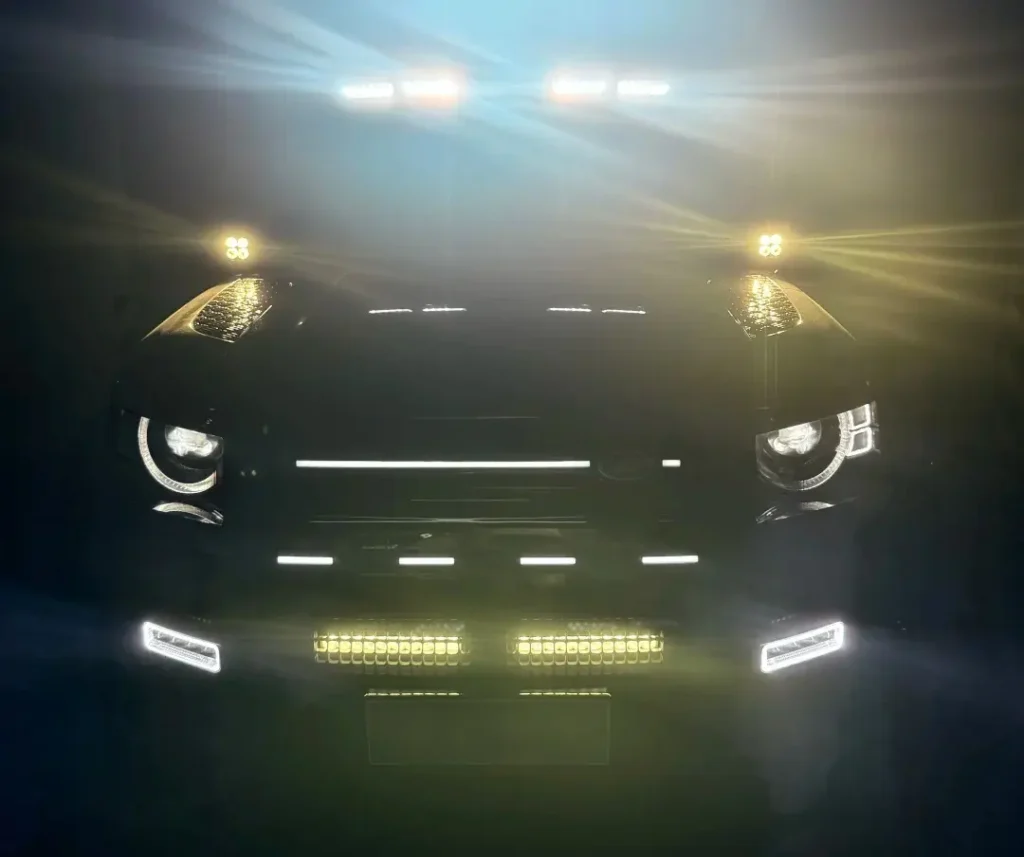
النهج 3: افتراضي إلى اللون الأبيض، مع الاحتفاظ باللون الكهرماني كخيار مؤقت/مؤقت
إذا كنت تحب اللون الأبيض معظم الوقت ولكنك تريد اللون الكهرماني أحيانًا، فلا تدفن اللون الكهرماني خلف خمس ضغطات على الوضع. اجعله سهل الوصول إليه وسهل الخروج منه.
الدرس المستفاد إذا كان تغيير اللون يتطلب أكثر من حركة متعمدة، فلن تفعل ذلك. إما أن تتركه على لون واحد للأبد أو تتوقف عن استخدامه.
وحدات متعددة (4 كبسولات، 6 كبسولات، 8 كبسولات): تجميع بدون فوضى
عندما يكون لديك العديد من الأضواء عبر الشبكة، من المغري أن تعطي كل شيء قناة خاصة به. هكذا ينتهي بك الأمر بفوضى.
بالنسبة لمعظم الإنشاءات الواقعية، يكون التجميع أنظف:
فكرة التجميع أ: “جميعًا معًا” (الأكثر شيوعًا)
جميع أضواء الشواية تعمل كوحدة واحدة. بسيطة ومتناسقة ومنخفضة الحمل الذهني.
يعمل هذا بشكل أفضل عندما يكون تخطيطك متناسقًا وهدفك هو توقيع متناسق.
فكرة التجميع ب: “الوسط مقابل الخارج”
- زوج الوسط = خفي/يومي
- الأضواء الخارجية = وجود إضافي (أو لون مختلف)
يمكن أن يبدو ذلك رائعاً إذا كان تصميم الشبكة يدعم ذلك. كما يتيح لك أيضاً الحفاظ على المظهر اليومي نظيفاً وإضافة الكثافة فقط عندما تريد.
فكرة التجميع ج: “القناة البيضاء مقابل القناة الكهرمانية”
إذا كان لديك وحدات مزدوجة اللون أو وحدات كهرمانية منفصلة، تعامل مع الألوان كقنوات، وليس كوحدات فردية.
بعبارة أخرى: لا تجعل عقل السائق يدير ثمانية أضواء منفصلة. اجعله يدير سلوكان.
وضع الانضباط: فقط لأنك يمكن الوميض لا يعني أنه لا يجب عليك
هذا هو المكان الذي يقوم فيه الأشخاص بإعداد إعدادات مبهرة تقنياً ومرهقة اجتماعياً.
أوضاع الوميض لها استخدامات مشروعة:
- اتصالات القوافل على الطرق الوعرة
- رؤية موقع العمل في الممتلكات الخاصة
- حالات التعافي حيث تحتاج إلى أن تكون واضحًا
ولكن على الطرقات العادية، سرعان ما يحوّل الوميض المستمر الوميض المستمر البناء النظيف إلى مشكلة، فالرؤية تصبح تشتيتاً للانتباه، والتشتيت يصبح اهتماماً لا تريده.
القاعدة الأفضل على المدى الطويل بسيطة:
استخدم الأوضاع الثابتة للقيادة العادية. احتفظ بالأوضاع الديناميكية للمواقف التي تؤدي فيها وظيفة فعلية.
إذا قمت ببناء نظام التحكم الخاص بك حول هذه الفلسفة، فسوف تستمتع بأضواء الشواية لفترة أطول وتجذب انتباهًا سلبيًا أقل.
“شعور المُصنّع الأصلي” ليس منتجاً - إنه سلوك
يصف الناس الإعداد بأنه “OEM” عندما:
- يتم تشغيله وإيقافه بطريقة يمكن التنبؤ بها
- لا يتطلب مدخلات ثابتة
- لا يخلق لحظات محرجة في حركة المرور
- تتطابق مع إيقاع إضاءة السيارة
لهذا السبب فإن منطق التحكم مهم بقدر أهمية الأضواء نفسها.
يجب أن يجيب مخطط التحكم النظيف على هذه الأسئلة بوضوح:
- عندما أقوم بتشغيل السيارة، ماذا يحدث؟
- هل يمكنني إطفاء الأنوار على الفور دون تفكير؟
- إذا قام شخص آخر بقيادة سيارتي، فهل سيفهمها ؟
- هل هناك وضع افتراضي واحد يسعدني 95% من الوقت؟
إذا تمكنت من الإجابة على هذه الأسئلة، فقد فزت في الأساس.
قائمة مراجعة بسيطة للتحكم (استخدم هذا قبل الالتزام)
قبل وضع اللمسات الأخيرة على الإعداد الخاص بك، قم بإجراء هذا الأمر كاختبار سريع للعقل:
- السلوك الافتراضي: هل أريد تشغيلها بشكل افتراضي، أم عندما أختار أنا فقط؟
- التجاوز: هل يمكنني تعطيلها بسرعة دون البحث عن مفتاح مخفي؟
- منطق الألوان (إذا كانت مزدوجة اللون): هل اختيار اللون واضح وقابل للتكرار؟
- منطق المجموعة: هل أنا أتحكم في السلوكيات (جيد) أم في الأضواء الفردية (أكثر من اللازم)؟
- القيادة الليلية: هل سيكون هذا لائقاً في حركة المرور ولا يشتت الانتباه؟
- السائقون الآخرون: هل يمكن لشخص آخر أن يفهمها في 10 ثوانٍ؟
إذا فشلت خطتك #6، فقم بتبسيطها. بجدية هذا يوفر الكثير من الندم.
الإغلاق أفضل إعدادات إضاءة الشواء هي التي ستستمر في استخدامها
الكثير من مصابيح شواء LED يركز المحتوى على ما يبدو رائعًا في اليوم الأول. الاستخدام اليومي مختلف. الاستخدام اليومي يكافئ البساطة.
إذا كنت تريد إعداداً يبقى ممتعاً:
- اختر سلوكًا افتراضيًا واحدًا يناسب حياة القيادة الخاصة بك
- أضف تجاوزًا واحدًا للأوقات التي تريد فيها شيئًا مختلفًا
- اجعل قرارات اللون/الوضع سهلة، ولا تدفن وراء منطق “اضغط ثلاث مرات”
افعل ذلك، و أضواء شواية السيارة لن تصبح بدعة تتوقف عن استخدامها. بل ستصبح جزءاً من مظهر سيارتك - نظيفة ومتناسقة وسهلة الاستخدام.
 English
  Español
  Tiếng Việt
  ไทย
ไทย  العربية
  Русский
  Bahasa Melayu
  Français
  Deutsch
  हिन्दी
  Bahasa Indonesia