
ما بعد البيع أضواء شواية السيارة-خاصة مصابيح LED لشواية السيارة مثبتة في الشبك الأمامي أو خلفه - وهي واحدة من أسرع اتجاهات الإضاءة الخارجية نمواً. يمكن أن تبدو متميزة وتساعد في تحديد هوية العلامة التجارية، ولكنها تقع أيضاً في “منطقة الخطر” القانونية بالنسبة للعديد من سلطات المرور: المصابيح الأمامية التي ليست جزءًا من نظام الإضاءة الأصلي المعتمد في السيارة.
يشرح هذا الدليل كيف تشرح اللوائح عادةً تعامل مع مصابيح LED المثبتة على الشبكة في الأسواق الرئيسية، وما الذي يؤدي إلى تطبيق القانون، وكيفية الحد من مخاطر الامتثال إذا كنت تبيع هذه المنتجات أو تركبها أو تستخدمها.
ملاحظة قانونية: هذه معلومات عامة وليست نصيحة قانونية. تتغير القواعد ويختلف التطبيق حسب المدينة والمفتش. تأكد دائماً مع هيئة النقل البري المحلية الخاصة بك و مركز التفتيش.
ما يعتبر “أضواء شواية السيارة”? (لماذا التصنيف مهم)
قبل “قانوني مقابل غير قانوني”، تسأل معظم السلطات القضائية أولاً ما الذي يفعله الضوء:
1) إضاءة ديكور/إضاءة مميزة
- شرائط LED، ونقاط البكسل، وأنماط “الجري”، والشعارات، والتوهج المحيط خلف الشبكة.
- عادةً لا معترف بها كوظيفة إضاءة رسمية.
2) إضاءة على طراز الموضع / العلامة
- المقصود منها أن تكون مرئية (وليس لإنارة الطريق).
- غالبًا ما يتم تنظيمها لـ اللون والشدة وسلوك التبديل.
3) مصابيح القيادة المساعدة (الإضاءة الوظيفية)
- قرون/قضبان/قضبان مثبتة على الشبكة تضيء الطريق فعلياً (غالباً ما تكون مرتبطة ب شعاع عالي).
- عادةً ما يتم تنظيمها على النحو التالي مصابيح إضافية للشعاع الرئيسي/مصابيح القيادة بقواعد صارمة.
في الممارسة العملية، تأتي معظم المشاكل القانونية من استخدام مصابيح LED الشبكية المزخرفة على الطرق العامة بطرق تشبه الإشارات أو إضاءة الطوارئ أو الإضاءة الأمامية عالية الكثافة.
القواعد التي تطلق التذاكر (في كل مكان تقريباً)
على الرغم من اختلاف القوانين، إلا أن أنماط التنفيذ متسقة بشكل مدهش.
اللون (المشكلة الأكثر شيوعاً)
- واجهة أمامية: عادةً أبيض هو الأكثر أمانًا; كهرمان غالبًا ما تكون مقبولة إذا كانت تقرأ مثل مصباح التأشير/الموضع.
- أزرق وأحمر: تقتصر عادةً على الشرطة/الطوارئ.
- الألوان الأخرى (الأخضر/الأرجواني/الوردي/الأرجواني/الوردي) الموجهة للأمام غالباً ما تجذب الإنفاذ.
الوميض والرسوم المتحركة
- وميض ووميض ووميض وتأثيرات “الماسح الضوئي” ومطاردة/تشغيل الرسوم المتحركة محظورة عادةً على الطرق العامة.
- حتى في حالة عدم كتابتها بوضوح، يمكن التعامل معها على أنها الإلهاء أو انتحال الشخصية.
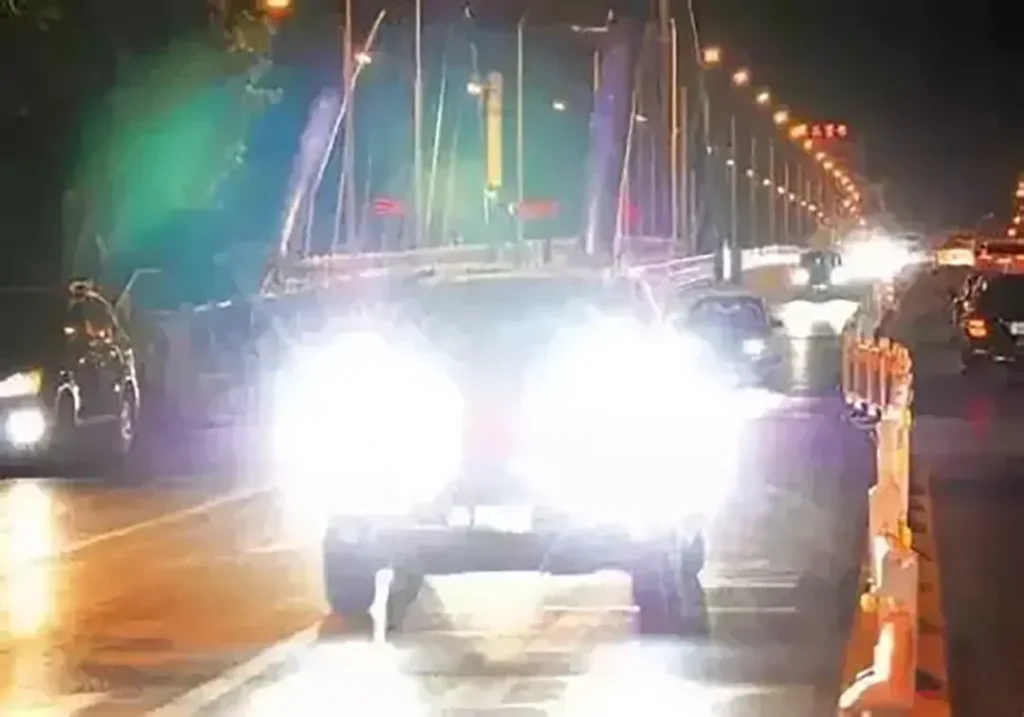
الوهج والشدة
- “يمكن الاستشهاد بمصابيح LED الزخرفية ”شديدة السطوع" على أنها الإبهار أو غير آمنة.
- تزيد الطرق المبللة من الوهج (انعكاس يشبه المرآة)، مما يجعل حتى الأضواء المتواضعة تبدو أكثر قسوة.
الوضع والخلط مع الأضواء المطلوبة
- إذا كانت مصابيح LED للشبكة تقلل من رؤية:
- إشارات الانعطاف, مصابيح DRLs, أو مصابيح الموضع أو لوحات الترخيص، يمكن التعامل معها على أنها غير متوافقة.
علامات الاعتماد والتفتيش
- في العديد من الأسواق التي تكثر فيها عمليات الفحص (خاصةً أوروبا)، غالبًا ما تحتاج المصابيح المستخدمة كإضاءة خارجية وظيفية إلى الموافقة على النوع (عادةً لجنة الأمم المتحدة الاقتصادية لأوروبا/E-مارك أو ما يعادلها).
- يمكن أن تفشل الإضاءة الخارجية غير المعتمدة في الفحص حتى لو كانت “تبدو جيدة”.”
قائمة مراجعة “الإعداد الآمن” السريعة (للطرق العامة)
إذا كان هدفك هو تقليل المخاطر العالمية لـ مصابيح LED لشواية السيارة, فإن الوصفة المتحفظة هي
- اللون: ثابت أبيض (أو الكهرماني حيثما كان مسموحًا به بوضوح)
- الوضع: لا يوجد وميض, ، لا توجد أنماط متحركة/مطاردة على الطرق العامة
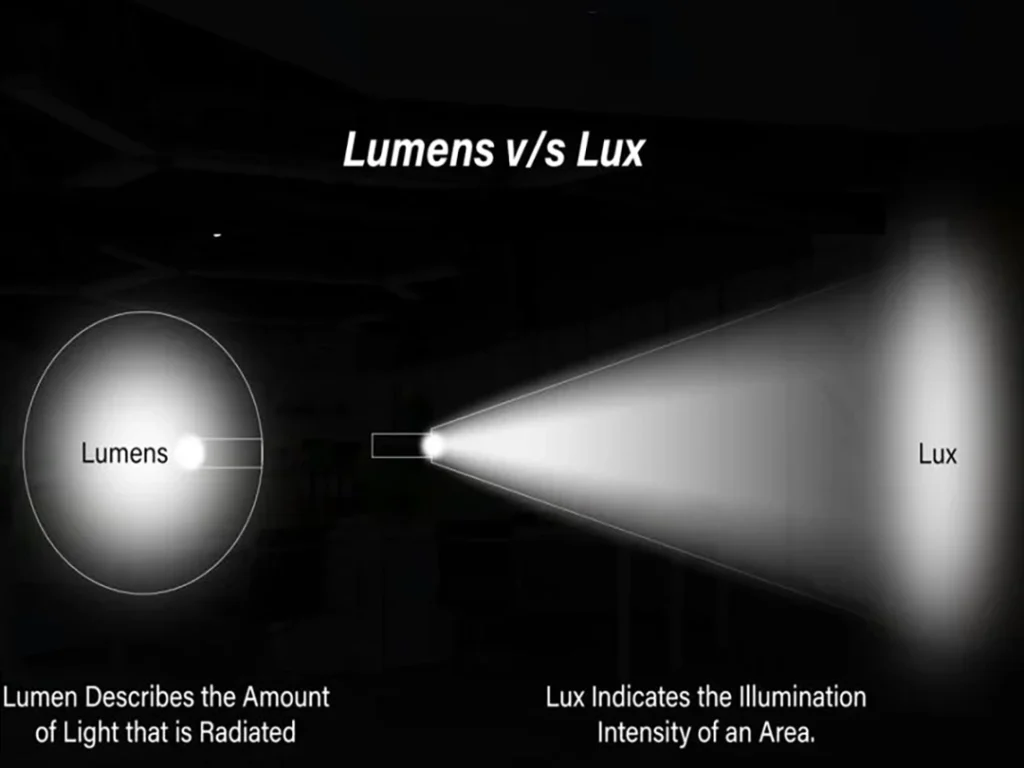
- السطوع: متواضعة؛ لا توجد مصادر نقطية قاسية؛ استخدم الانتشار
- الأسلاك: تجنب الأوضاع التي تبقى مضاءة مع الضوء العالي بطريقة تشبه مصابيح القيادة الإضافية غير القانونية (ما لم تتم الموافقة عليها وتهيئتها بشكل صحيح)
- التركيب: آمنة ومتناسقة ولا تعيق مصابيح OEM أو المناطق الحرجة لتدفق الهواء
- التسويق: يذكر بوضوح “تختلف اللوائح المحلية؛ المشتري مسؤول عن الامتثال”
الإرشادات الخاصة بكل منطقة على حدة (الأسواق الرئيسية والإنفاذ الفعلي)
يركز ما يلي على المحفزات القانونية الشائعة (اللون، والوميض، والوهج، والموافقة/التفتيش) وكيف تكون القواعد تُنفذ عادةً في الأسواق الكبيرة.
جنوب شرق آسيا (مطلوب: تايلاند وفيتنام والفلبين وإندونيسيا)
تايلاند 🇹🇭
وعادة ما تفرض تايلاند ضد:
- ألوان على نمط الطوارئ (أزرق/أحمر) والأنماط التي تجذب الانتباه
- إضاءة وميض/إضاءة متحركة مرئية لمستخدمي الطريق الآخرين
- الوهج المفرط في الليل
الوجبات الجاهزة العملية: احتفظ أضواء شواية السيارة ثابتة، وغير وامضة، وبألوان تقليدية (أبيض/كهرماني). من الأفضل التعامل مع الأوضاع الزخرفية على أنها خارجة عن المألوف/استعراضية.
فيتنام 🇻🇳
تميل فيتنام إلى أن تكون حساسة تجاه:
- التعديلات الخارجية غير القياسية التي تبرز التعديلات الخارجية غير القياسية
- الأضواء الأمامية التي يمكن أن تربك السائقين الآخرين أو تظهرهم بمظهر “غير مصرح به”
الوجبات الجاهزة العملية: تجنب المؤثرات المتحركة والألوان الأمامية غير البيضاء/الكهرمانية. إذا كانت تبدو مثل “إشارة” أو “ضوء الشرطة”، فهذا يعني أنها تبحث عن المتاعب.
الفلبين 🇵🇭
يركز إنفاذ الفلبين عادةً على:
- إضاءة غير مصرح بها أو مشتتة للانتباه
- ألوان/أنماط تشبه الطوارئ والوهج
الوجبات الجاهزة العملية: في حالة استخدام مصابيح LED لشواية السيارة, أبقها خفية وتقليدية؛ تعامل مع الأوضاع المتحركة على أنها عرض فقط.
إندونيسيا 🇮🇩
غالبًا ما تستهدف إندونيسيا
- التعديلات غير المتوافقة التي تزيد من الإلهاء
- مصابيح LED ساطعة وبراقة ومضيئة للأمام (خاصة مع الرسوم المتحركة)
الوجبات الجاهزة العملية: تُعد اللمسة البيضاء/الكهرمانية المنخفضة الكثافة والثابتة أقل خطورة من الأشرطة الساطعة أو أنماط المطاردة.
جنوب آسيا (مطلوب: الهند)
الهند 🇮🇳
تشتهر الهند على نطاق واسع بصرامة الشرطة واهتمام المحاكم بها:
- الأضواء غير المصرح بها (خاصة تلك التي تشبه المنارات/ألوان الطوارئ)
- الوهج المفرط والإضاءة الأمامية غير القياسية
- استخدام الأضواء الإضافية على الطرق العامة خارج الظروف المسموح بها
الوجبات الجاهزة العملية: علاج الزينة أضواء شواية السيارة على الطرق الوعرة/العادية ما لم تكن متوافقة بوضوح. تجنّب اللون الأزرق/الأحمر وأي إضاءة متلألئة/تحريك. إذا كان المنتج عبارة عن مصباح قيادة إضافي حقيقي، تأكد من صحة التبديل والتصويب والموافقات (عند الاقتضاء).
أفريقيا (مطلوب: “منطقة أفريقيا” + الأسواق الرئيسية التي تزيد عن 20 مليون)
تتنوع أفريقيا من الناحية القانونية؛ ويمكن أن يختلف التنفيذ بشكل حاد حسب البلد وحتى حسب المدينة. ومع ذلك، تتكرر هذه المواضيع:
- لا توجد ألوان للطوارئ (خاصة الأزرق/الأحمر)
- لا يوجد وميض/تحريك على الطرق العامة
- لا وهج/إبهار التي تعرض السائقين الآخرين للخطر
- فحص صلاحية الطريق موجود في بعض الأسواق ويمكنه الإبلاغ عن الإضاءة الخارجية غير القياسية
الأسواق ذات الكثافة السكانية الكبيرة التي تتم مناقشتها عادةً لتخطيط الامتثال
- نيجيريا 🇳🇬
- إثيوبيا 🇪🇹
- جمهورية الكونغو الديمقراطية 🇨🇩
- تنزانيا 🇹🇿
- جنوب أفريقيا 🇿🇦
- كينيا 🇰🇪
- أوغندا 🇺🇬
- غانا 🇬🇭
- موزمبيق 🇲🇿
- الكاميرون 🇨🇲
- أنغولا 🇦🇴
- المغرب 🇲🇦
- الجزائر 🇩🇿
- السودان 🇸🇩
- مدغشقر 🇲🇬
- كوت ديفوار 🇨🇮
- النيجر 🇳🇪
- بوركينا فاسو 🇧🇫
- مالي 🇲🇱
- ملاوي 🇲🇼
- زامبيا 🇿🇲
- السنغال 🇸🇳
- تشاد 🇹🇩
- الصومال 🇸🇴
- زيمبابوي 🇿🇼
- جنوب السودان 🇸🇸
- تونس 🇹🇳
الوجبات الجاهزة لأفريقيا: إذا كانت مصابيح LED الخاصة بالشبكة ثابتة ومتواضعة وليست بألوان مقيدة، فمن غير المرجح أن يتم استهدافها. أما إذا كانت تومض أو تتحرك أو تبدو كإضاءة طوارئ، فإن الخطر يرتفع بسرعة.
الشرق الأوسط (مطلوب: “منطقة الشرق الأوسط”)
في معظم أنحاء الشرق الأوسط، تقوم السلطات في معظم أنحاء الشرق الأوسط بتحديد الأولويات:
- تجنب الارتباك مع سيارات الطوارئ
- تقليل التشتت والوهج
- الحفاظ على المطابقة للتفتيش/التسجيل عند الاقتضاء
الأسواق الرئيسية التي غالبًا ما يتم تغطيتها في تخطيط الامتثال (20 مليون + حيثما ينطبق ذلك)
- المملكة العربية السعودية 🇸🇦
- الإمارات العربية المتحدة 🇦🇪
- العراق 🇮🇶
- اليمن 🇾🇪
- سوريا 🇸🇾
- الأردن 🇯🇴 (أقل بقليل من 20 مليون ولكن عادة ما يتم تضمينها في اعتبارات الامتثال الإقليمي)
- إسرائيل 🇮🇱
- إيران 🇮🇷
- تركيا 🇹🇷
الوجبات الجاهزة في الشرق الأوسط تجنب السلوكيات الزرقاء/الحمراء وأي سلوكيات ضوئية/متحركة على الطرقات العامة. حافظ على مصابيح LED لشواية السيارة خفية، مع التحكم في الوهج، وتوقع المزيد من التدقيق في حال تم فحص السيارة لإجراء تعديلات عليها.
أوروبا (مطلوب: “الدول الأوروبية”) - حيث تكون الموافقة والتفتيش أكثر أهمية
غالبًا ما تكون أوروبا هي البيئة الأكثر صرامة فيما يتعلق بالإضاءة الخارجية غير المصنعة محليًا - ليس فقط فيما يتعلق بالألوان أو الوميض، ولكن لأن العديد من الدول تعتمد على الموافقة على النوع وعمليات التفتيش الدورية.
كيف تتعامل أوروبا عادةً مع مصابيح LED الشبكية
- إذا تم استخدام إضاءة الشبكة كـ وظيفة المصباح الخارجي (DRL/الموضع/الضباب/القيادة)، غالباً ما تحتاج إلى:
- الصحيح علامة الموافقة لتلك الوظيفة، و
- التثبيت الذي يطابق القواعد الموجودة على الموضع والشدة والتبديل
- يمكن النظر في الأضواء الزخرفية التي لا تتطابق مع وظيفة معتمدة غير متوافقة للاستخدام على الطرقات, حتى لو كانوا من ذوي البشرة البيضاء.
الأسواق الأوروبية الرئيسية (أكثر من 20 مليون في الحالات ذات الصلة)
- ألمانيا 🇩🇪
- فرنسا 🇫🇷
- إيطاليا 🇮🇹
- إسبانيا 🇪🇸
- بولندا 🇵🇱
- رومانيا 🇷🇴
- هولندا 🇳🇱
- بلجيكا 🇧🇪
- السويد 🇸🇪
- اليونان 🇬🇷
- البرتغال 🇵🇹
- تشيكيا 🇨🇿
- هنغاريا 🇭🇺
- النمسا 🇦🇹
- المملكة المتحدة 🇬🇧
- أوكرانيا 🇺🇦 (من خارج الاتحاد الأوروبي ولكن غالبًا ما تتماشى مع توقعات التفتيش الأوروبية في الممارسة العملية)
الوجبات الجاهزة في أوروبا: للاستخدام على الطرق العامة، افترض أن أضواء شواية السيارة يجب أن تكون إما (أ) مطفأة، أو (ب) أن تكون جزءًا من نظام إضاءة معتمد بشكل صحيح. “تبدو جيدة الذوق” ليست مثل “معتمدة النوع”.”
روسيا (مطلوب)
روسيا 🇷🇺
تقيد روسيا بشكل عام:
- ألوان وأنماط إضاءة أمامية غير قياسية
- إضاءة مبهرة أو تشبه إشارات خاصة/طوارئ
الوجبات الجاهزة العملية: تجنّب الألوان الشبيهة بألوان الطوارئ وأي مصابيح وامضة/مصابيح LED في الشبك الأمامي أثناء القيادة على الطرق العامة. يمكن لمصابيح القيادة الإضافية في الشبك الأمامي أن تجذب تدقيقاً أكثر صرامة فيما يتعلق بالوظيفة والاستخدام.
أمريكا الجنوبية (مطلوب: “أمريكا الجنوبية” + الأسواق الرئيسية التي تزيد عن 20 مليون)
تتنوع أمريكا الجنوبية؛ حيث تنظم العديد من البلدان:
- ألوان/أنماط غير مصرح بها
- التشتت والوهج
- مطابقة المركبة (تختلف باختلاف أنظمة الفحص)
الأسواق الرئيسية المشمولة عادةً (20 مليون +)
- البرازيل 🇧🇷
- كولومبيا 🇨🇴
- الأرجنتين 🇦🇷
- بيرو 🇵🇪
- فنزويلا 🇻🇪
- شيلي 🇨🇱
- الإكوادور 🇪🇨
- بوليفيا 🇧🇴 (بمقياس 20 مترًا تقريبًا/حوالي 20 مترًا؛ وغالبًا ما يتم تضمينها في التغطية الإقليمية)
الوجبات الجاهزة في أمريكا الجنوبية حافظ على مصابيح LED للشبكة ثابتة ومتواضعة وبألوان تقليدية. المؤثرات الوامضة/المؤثرات المتحركة هي أسرع طريق للتنفيذ في العديد من المدن.
خريطة امتثال بسيطة (ما ينجح عادةً مقابل ما يفشل عادةً)
يلخص هذا الجدول نموذجي النتائج عبر المناطق.
| الإعداد | كيف يتم عرضها عادةً | مستوى المخاطر العملية |
|---|---|---|
| أبيض ثابت، كثافة منخفضة، بدون رسوم متحركة | غالبًا ما تكون مقبولة (غير مضمونة) | أقل |
| كهرماني ثابت، سطوع متواضع | مقبولة في بعض الأحيان (تعتمد على السوق) | منخفضة-متوسطة |
| أزرق/أحمر متجه للأمام | غالباً ما تكون مقيدة/حالات الطوارئ فقط | عالية |
| أي نمط وميض/قوة ضوئية/مطاردة | محظور عادةً على الطرق العامة | عالية |
| شريط/بيكسلات أمامية ساطعة جداً | غالبًا ما يتم التعامل معها على أنها وهج/إبهار | متوسط-عالي |
| مصابيح القيادة الإضافية المثبتة على الشبكة الأمامية | منظمة مثل الأضواء العالية الإضافية | متوسط-عالي (يعتمد على الموافقة + الأسلاك + التصويب) |
النمط ثابت: كلما زاد مصابيح LED لشواية السيارة تتصرف مثل الإشارات أو المصابيح عالية الكثافة، كلما زاد احتمال التعامل معها على أنها غير قانونية.
ما يجب نشره على صفحات المنتجات (لغة الامتثال “النظيفة” الموصى بها)
إذا قمت ببيع أضواء شواية السيارة, ، تقلل هذه الخطوط من الارتباك وعمليات رد المبالغ المدفوعة:
- “تختلف اللوائح المحلية. ويتحمل المشتري مسؤولية الامتثال لها.”
- “لا تستخدم الأوضاع الوامضة/المتحركة على الطرق العامة.”
- “تجنب الألوان المحظورة (عادةً الأزرق/الأحمر) على الطرق العامة.”
- “تأكد من أن المصابيح لا تعيق مصابيح OEM أو تزيد من الوهج.”
- “للاستخدام على الطرق الوعرة/الاستعراضات حيثما يقتضي القانون المحلي ذلك.”
الوجبات الرئيسية
- المخاطر القانونية العالمية لـ أضواء شواية السيارة و مصابيح LED لشواية السيارة مدفوعة ب اللون، والوميض/الرسوم المتحركة، والوهج، ومتطلبات الموافقة/التفتيش.
- أوروبا هو عادةً السوق الأكثر حساسية للتفتيش والموافقة.
- النهج المحافظ عالمياً هو إضاءة بيضاء ثابتة (أو كهرمانية حيثما كان ذلك مسموحاً به)، بدون وميض وسطوع معتدل، وتعامل مع إضاءة الشبكة المزخرفة على أنها خارج الطريق/مستعملة في الأماكن الوعرة ما لم يكن مسموحاً بها بوضوح.
 English
  Español
  Tiếng Việt
  ไทย
ไทย  العربية
  Русский
  Bahasa Melayu
  Français
  Deutsch
  हिन्दी
  Bahasa Indonesia