
أسرع طريقة لإنهاء الأمر بخيبة أمل مع أضواء شواية السيارة ليس شراء “العلامة التجارية الخاطئة”. بل بافتراض أن الملاءمة عالمية لمجرد أن القائمة تقول ذلك.
“تعني ”عالمي" عادةً الضوء يمكن يتم تركيبها في مكان ما على العديد من المركبات. لا يعني ذلك:
- سيتيح شكل الشبكة أن يبدو الشعاع نظيفاً,
- هناك مساحة آمنة خلف الشبكة,
- لن يتأثر تدفق الهواء,
- لن تهتم أجهزة الاستشعار,
- أو ستبدو النتيجة النهائية وكأنها تنتمي إلى هناك.
إذا كان لديك بالفعل ثلاث مقالات أساسية تغطي الأساسيات والتركيب واستكشاف الأخطاء وإصلاحها - ولديك قطعة تركيب مخصصة - فهذه المقالة هي الجسر المفقود: التفكير في التركيب قبل الالتزام. ليس كيفية توصيلها بالأسلاك، وليس كيفية إصلاحها. فقط كيفية التنبؤ بما سيعمل على الخاص بك نوع السيارة حتى لا تشتري (أو تركب) شيئًا يحارب المنصة.
الملاءمة ليست فقط “هل ستتناسب؟ إنها ”هل ستبدو مناسبة وتعيش هناك؟“
تجيب خطة المواءمة الجيدة على أربعة أسئلة
- الرؤية: هل سيكون الضوء مرئيًا من الزوايا المهمة (الأمامية والإزاحة الطفيفة)، أم أن الشبكة ستحجبه؟
- العمق: هل هناك مساحة خلف الشبك الأمامي للمبيت والحامل وأي موصلات؟
- البيئة: هل سيتعرض للضرب بالماء والحطام والاهتزازات أكثر مما يمكن للضوء تحمله بشكل معقول؟
- التوافق: هل سيتداخل مع تدفق الهواء أو المصاريع أو المستشعرات الأمامية؟
تتعطل أنواع المركبات المختلفة بطرق مختلفة. قد تتمتع الشاحنة بمساحة واسعة ولكن أكثر اهتزازاً. قد تكون سيارة السيدان ذات تغليف محكم. قد تكون السيارة الكهربائية “سهلة” للتبريد ولكنها صعبة لوضع المستشعرات. إن معرفة الأخطاء التي تميل إلى حدوثها حسب المنصة هي الطريقة التي تشتري بها مرة واحدة وتركب مرة واحدة.
1) شاحنات البيك أب: شبكات فسيحة، اهتزازات حقيقية، حمولة رياح كبيرة
الشاحنات حيث مصابيح شواء LED هي الأكثر شيوعاً، ولسبب وجيه: عادةً ما تكون هناك مساحة كافية، كما أن التصميم مناسب.
لكن الشاحنات تعاقب أيضاً على عمليات التثبيت الضعيفة.
ما الذي يسير بشكل جيد في الشاحنات عادةً
- مساحة مادية أكبر خلف الشبكة
- المزيد من فرص التركيب على هيكل الدعم
- تصميمات الشبكة التي يمكن أن تظهر وحدات متعددة بشكل نظيف
- ارتفاع الركوب الأعلى يجعل ضوء الوجود يبدو طبيعياً
ما الذي يتسلل إلى الناس
الاهتزاز والرنين.
تنقل منصات الهيكل على الإطار، وأنظمة التعليق الأكثر صلابة، والإطارات الأكبر حجماً المزيد من الاهتزازات إلى الواجهة الأمامية. يمكن للإضاءة التي تبدو “جيدة” في سيارات الكروس أوفر أن تصدر صوتاً في الشاحنات.
حمل الرياح عند السرعة.
تشهد الواجهة الأمامية للشاحنة الكثير من الضغط على سرعات الطرق السريعة. يمكن للوحدات الخفيفة والأقواس الخفيفة التي تقدم وجهاً عريضاً للرياح أن تنجرف ببطء إذا لم يتم تثبيتها جيداً.
تشجع الشبكات العريضة على الملء الزائد.
لأن الشاحنات تحتوي على فتحات كبيرة للشبك الأمامي، يقوم الناس بتجميع الكثير من الوحدات بالقرب من بعضها البعض. والنتيجة هي جدار من الضوء يمكن أن يبدو فوضويًا في الليل - خاصة إذا كانت الشبكة مزودة بالكروم.
نصائح التثبيت التي تميل إلى العمل
- اختر عدداً أقل من الوحدات وقم بتوزيعها بشكل متساوٍ؛ لا يجب أن تكون الشبكة “ممتلئة” لتبدو كاملة
- تجنب وضع أثقل وحداتك على أقسام الشبكة الأكثر مرونة
- راقب نمط الشبكة: يمكن لقرص العسل إخفاء الوحدات، ويمكن للقضبان الأفقية “تأطيرها” بشكل جيد
- ضع في اعتبارك ما إذا كانت المنطقة المركزية هي أيضاً مكان وجود أنظمة الرادار/الإشارة في الموديلات الأحدث
الشاحنات متسامحة في المساحة ولكنها غير متسامحة في جودة التركيب. خطط للاهتزاز، وليس للمظهر فقط.
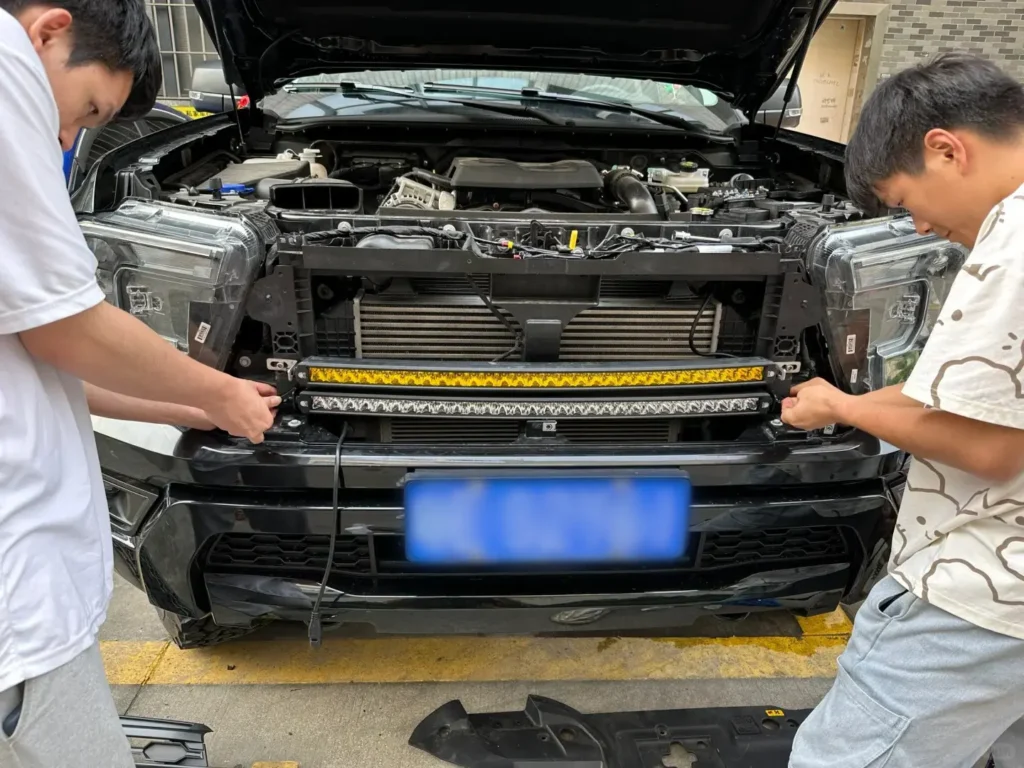
2) سيارات الدفع الرباعي و التحويلات: كل شيء مكتظ أكثر مما يبدو عليه
يمكن أن تكون سيارات الدفع الرباعي وسيارات الكروس أوفر صعبة بشكل مخادع. يبدو الشبك الأمامي واسعاً من الخارج، ولكن خلفه غالباً ما يكون عبارة عن كومة كثيفة من المكونات.
ما يسير على ما يرام عادةً
- يمكن أن يكون المظهر أنيقًا وعصريًا، خاصةً مع اللون الأبيض النظيف أو الكهرماني الناعم
- تحتوي العديد من شبكات سيارات الدفع الرباعي على هندسة متناسقة تجعل من وضع متناسق أسهل
- يستفيد التوقيع الأمامي للسيارة من اللمسات الصغيرة
ما الذي يتسلل إلى الناس
مصاريع الشبكة النشطة.
غالباً ما تحتوي سيارات الكروس أوفر وسيارات الدفع الرباعي الحديثة على مصاريع خلف الشبك الأمامي. وهذا يغير المساحة القابلة للاستخدام بشكل كبير. لا يقتصر الأمر على “لا تعيق تدفق الهواء” - بل “لا تتداخل مع الأجزاء المتحركة”.”
عمق محكم وخلوص الموصلات.
قد تجد مكانًا مثاليًا بصريًا مثاليًا ولكن لا يوجد مكان لظهر مبيت المصباح والموصل دون أن يلامس شيئًا ما.
احتمالية أعلى لكثافة أجهزة الاستشعار.
الكاميرات الأمامية والرادار خلف الشعارات ومستشعرات الركن شائعة. وغالباً ما تكون منطقة الشبكة المركزية “منطقة محجوزة”.”
نصائح التثبيت التي تميل إلى العمل
- تخطيط الموضع الخارجي (يسار/يمين) بدلاً من تجميع كل شيء في المنتصف
- اختر العلب المنخفضة عند الإمكان
- تجنب التركيب حيث لا يمكنك الحفاظ على الخلوص خلال دورات الاهتزاز والحرارة
- إذا كان تصميم الشبكة متعدد الطبقات (الشبكة الخارجية + الهيكل الداخلي)، فضع في اعتبارك أن الضوء قد يكون “عميقًا جدًا” ويبدو خافتًا أو مقطوعًا
تكافئ سيارات الدفع الرباعي على التخطيط الدقيق. إذا تعاملت مع سيارات الدفع الرباعي مثل الشاحنات، فسوف تواجه تعارضات في التعبئة والتغليف.
3) سيارات السيدان وسيارات الهاتشباك: مظهر أنيق، ومساحة محدودة، ومخاطر وهج أعلى
يمكن أن تبدو سيارات السيدان مذهلة مع أضواء شواية السيارة-ولكنها أقل تسامحاً في التنسيب.
ما يسير على ما يرام عادةً
- يمكن أن يبدو عدد قليل من الوحدات “زائد المصنع”
- ارتفاع الركوب المنخفض يجعل اللمسات الخفية أكثر أناقة من الإعدادات القوية
- شبكات أكثر إحكامًا غالبًا ما تخلق توقيعًا نظيفًا ومحتويًا
ما الذي يتسلل إلى الناس
المساحة خلف المصد ضيقة.
غالباً ما تكون المساحة العمودية والعمق في سيارات السيدان أقل عمودياً وعمقاً بالقرب من الشبكة، خاصة إذا كان تصميم المصد مائلاً إلى الخلف.
يصبح الوهج أكثر وضوحاً.
نظرًا لأن الأضواء تقع في مكان منخفض بالنسبة إلى العديد من السائقين القادمين، ولأن شبكات السيدان يمكن أن تكون أكثر انعكاسًا (الزخارف اللامعة والشارات)، فإن التصويب السيئ يمكن أن يبدو قاسيًا بسرعة.
تستقبل الأطراف الأمامية السفلية المزيد من رذاذ الطريق.
يمكن لسيارات السيدان أن ترمي المزيد من الأوساخ في منطقة الشبك الأمامي، اعتماداً على تصميم الإطارات والمصد. هذا لا يعني “لا تفعل ذلك” - فقط افترض أن البيئة أكثر اتساخاً مما تريد.
نصائح التثبيت التي تميل إلى العمل
- عدد أقل من الوحدات، محاذاة أفضل - لا تبالغ في ذلك
- تجنب وضع المصابيح في مكان مرتفع جداً في الشبكة الأمامية حيث تتعارض مع بصمة المصابيح الأمامية
- راقب منطقة الشارة؛ فالعديد من سيارات السيدان تضع أجهزة استشعار في أماكن غير واضحة
- اختر تخطيطًا يبدو جيدًا خارج الزاوية قليلاً، وليس فقط بشكل مستقيم
سيارات السيدان تكافئ ضبط النفس. والفوز هو الفوز بالبراعة التي لا تزال تُقرأ على أنها مقصودة.
4) سيارات الجيب والبناء على الطرق الوعرة: الشوايات “السهلة”، حالات الاستخدام الصعبة
تحتوي بعض المنصات المخصصة للطرق الوعرة على شبكات تجعل عملية التركيب بسيطة - الكثير من الفتحات العمودية والكثير من المنافذ. لهذا السبب تشتهر هذه المركبات بإضاءة الشبكات.
لكن الاستخدام على الطرقات الوعرة يفرض ضغطاً مختلفاً.
ما يسير على ما يرام عادةً
- تصميمات الشبكة المفتوحة تظهر الوحدات بوضوح
- تحتوي العديد من السيارات على أنظمة بيئية ما بعد البيع
- توقعات التصميم تسمح بمظهر العنبر والوعرة بشكل طبيعي
ما الذي يتسلل إلى الناس
معابر المياه، والطين، والغسيل بالضغط.
حتى المصابيح ذات التصنيف الجيد يمكن أن تتأثر إذا سمح الحامل بتجمع المياه حول الموصلات أو إذا تعرضت المصابيح مباشرة لغسالات الضغط بشكل متكرر.
تحميل الصدمات المستمر.
يؤدي اهتزاز المسار إلى إرخاء الأجهزة بشكل أسرع. إذا كانت خطتك تعتمد على “الشد مرة واحدة والنسيان”، فإن المسارات ستصحح هذا الافتراض.
تكديس الملحقات.
يمكن للرافعات، ومصدات ما بعد البيع، وقضبان الإضاءة، وألواح الانزلاق أن تغير جميعها من تدفق الهواء والمساحة المتاحة. لا يمكن عزل “خطة إضاءة الشبكة” عن بقية هيكل الواجهة الأمامية.
نصائح التثبيت التي تميل إلى العمل
- إعطاء الأولوية لإمكانية الصيانة: يجب أن تكون قادرًا على إزالة وحدة دون تمزيق الواجهة الأمامية بالكامل
- التركيب إلى هيكل حقيقي كلما أمكن ذلك
- اختر تخطيطًا لا يزال يبدو جيدًا مع وجود الطين والغبار (المخططات المزدحمة تصبح فوضوية بسرعة)
- تعامل مع الأجهزة على أنها مستهلكة: أعد فحصها بعد أول بضع جولات في المضمار
لا يتعلق الأمر بالتركيب على الطرق الوعرة ب “هل هي مناسبة اليوم” بقدر ما يتعلق ب “هل يمكنني صيانتها بسهولة”.”
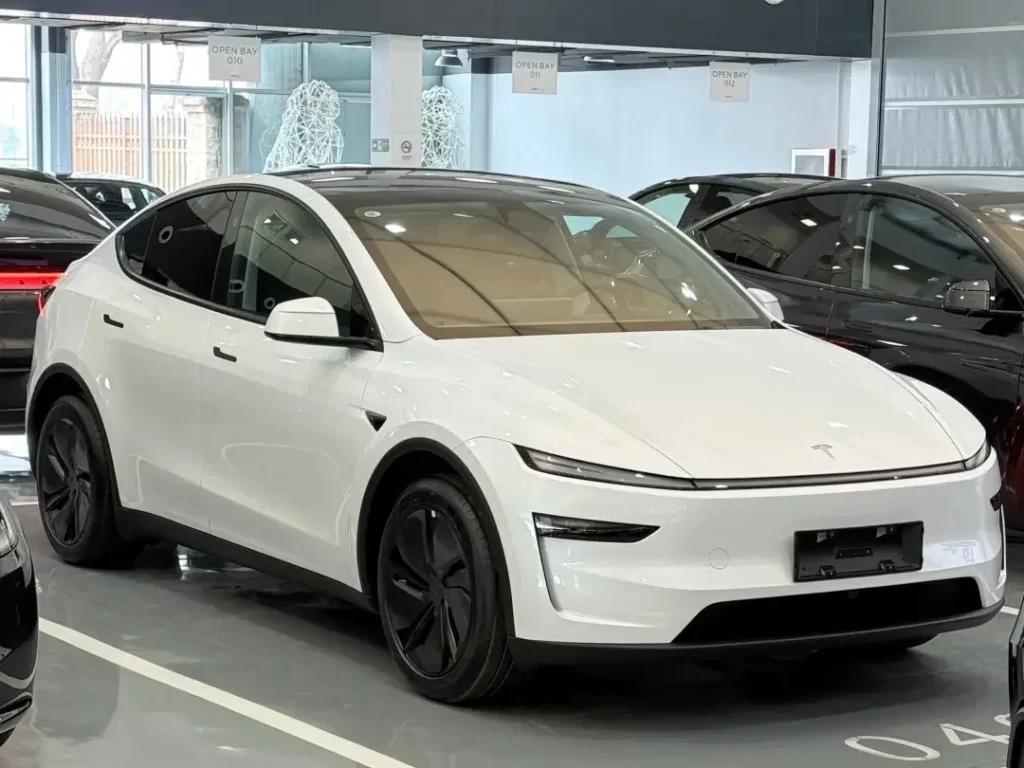
5) السيارات الكهربائية: مساحة أكبر في بعض الأحيان، وأحياناً المزيد من المستشعرات (وفلسفة واجهة أمامية مختلفة)
تختلف الواجهات الأمامية للسيارات الكهربائية بشكل كبير. فبعضها يحتوي على لوحات كبيرة “تشبه الشبك الأمامي” معظمها ذات تصميم. وبعضها الآخر مزود بمآخذ سفلية مفتوحة للتبريد.
ما يسير على ما يرام عادةً
- إمكانية الحصول على إضاءة نظيفة وعصرية للغاية
- بعض السيارات الكهربائية لديها عدد أقل من قيود التبريد التقليدية في منطقة الشبكة العلوية
- التصميم البسيط يعني أن الإضاءة الصغيرة المميزة يمكن أن تبدو متميزة
ما الذي يتسلل إلى الناس
غالبًا ما تكون مناطق الاستشعار أكثر أهمية.
يمكن تزويد طرازات السيارات الكهربائية بالكاميرات والرادار، ويمكن تصميم الواجهة الأمامية حول هذه الأنظمة. وقد يكون الموقع “الأفضل مظهراً” هو بالضبط المكان الذي يحتاج فيه المستشعر إلى مساحة نظيفة.
يمكن للألواح المغلقة أن تحبس الانعكاسات.
إذا كانت “الشبكة” في الواقع عبارة عن لوحة ملساء أو نمط ضيق، يمكن أن ترتد الإضاءة وتبدو غير متساوية أو باهتة.
عدم التطابق الجمالي أسهل.
غالباً ما تتسم الواجهات الأمامية للسيارات الكهربائية بالبساطة المتعمدة. قد تبدو الوحدات الكثيرة جداً وكأنك قمت بتثبيت الملحقات على تصميم كان من المفترض أن يبقى نظيفاً.
نصائح التثبيت التي تميل إلى العمل
- تعامل مع منطقة المركز على أنها حساسة حتى يثبت العكس
- اختيار عدد أقل وأنظف من الوحدات النمطية ومواءمتها مع خطوط الجسم
- اختبر الانعكاسات في الليل في وقت مبكر - يمكن أن تنعكس مواد اللفافة الكهربائية بطرق غير متوقعة
- إذا كانت فتحات السحب منخفضة في الغالب، فاحرص على إبعاد العوائق عن تلك المسارات
يمكن أن تكون السيارات الكهربائية هي الأسهل لجعلها تبدو باهظة الثمن - أو الأسهل لجعلها تبدو “خاطئة”. خطط للغة التصميم.
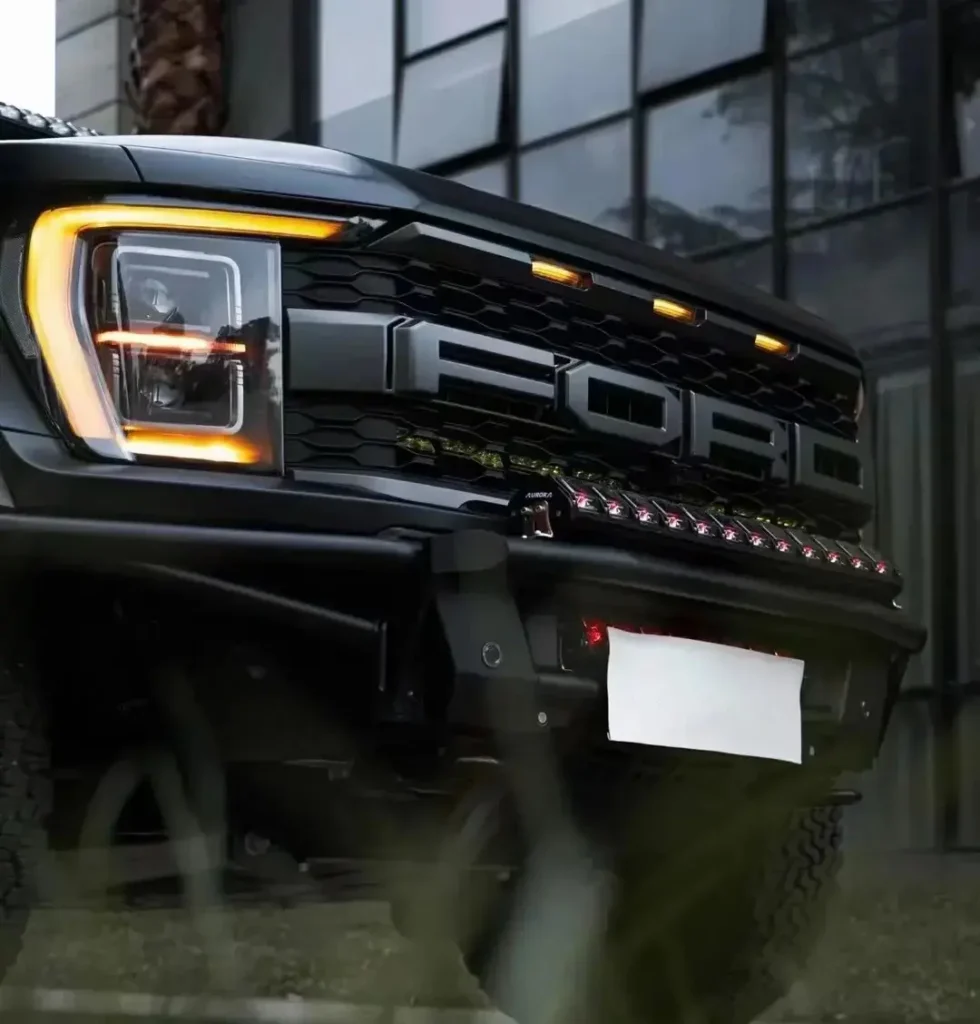
أنماط الشبكة وتأثيرها على ناتج الإضاءة لديك
نوع السيارة مهم، لكن هندسة الشبكة مهمة بنفس القدر. إليك الأنماط الشائعة وما تعنيه بالنسبة للتركيب:
قرص العسل
- محترف: يخفي العلب بشكل جيد، والكثير من نقاط التثبيت الدقيقة
- يخدع: يمكن أن يبعثر الشعاع ويجعل الأضواء تبدو خافتة من الزوايا
- أفضل نهج: ضع الوحدات حيث تكون فتحات قرص العسل أكثر انفتاحًا واتساقًا
قضبان أفقية
- محترف: سهولة محاذاة مستوى الوحدات؛ يمكن تأطير الأضواء بشكل نظيف
- يخدع: يمكن للقضبان أن تقطع العارضة وتخلق “خطوطًا” غير متساوية”
- أفضل نهج: محاذاة الوحدات داخل أكبر فتحة غير متقطعة
الفتحات الرأسية
- محترف: “ممرات” بصرية قوية لوضعها
- يخدع: يمكن أن يجعل التماثل غير متساوٍ؛ حيث يبرز الاختلال الطفيف في المحاذاة
- أفضل نهج: التعامل مع الخانات كدليل وإبقاء الوحدات النمطية متمركزة داخلها
“شبكات مغلقة/شبكات مغلقة/شبيهة بالشبكات”
- محترف: خفية وخفية
- يخدع: يمكن أن يحبس الضوء ويخلق بقعًا متوهجة أو مخرجات باهتة
- أفضل نهج: عدد أقل من الوحدات، توضع حيث يكون النمط أكثر انفتاحًا (غالبًا ما يكون أقل)
مشاكل “التركيب الخفية” التي لا تظهر إلا بعد الشراء
هذه هي الأسباب التي تجعل “العالمية” تتحول إلى عوائد.
1) عمق الموصل
قد يكون لديك مساحة لجسم المصباح ولكن ليس للموصل ونصف قطر انحناء الكابل خلفه. يمكن أن يفرض ذلك تسويات قبيحة.
2) الوصول إلى الخدمة
إذا لم تتمكن من الوصول إلى قفل دون إزالة المصدّ، فستصبح عملية التركيب مشكلة مستقبلية. هذا الأمر مهم حتى لو كان المصباح موثوقاً - ستظل بحاجة إلى تنظيف أو تعديل أو تغيير شيء ما لاحقاً.
3) مناطق الشارة/الشعار
الشارات الحديثة ليست دائماً مجرد ديكور. يمكن أن تكون مواضع المركز محفوفة بالمخاطر إذا كانت تلك المنطقة تدعم الرادار. حتى إذا لم “تحجبها”، يمكنك مزاحمتها.
4) مصاريع الشبكة (مرة أخرى)
إذا لم تكن متأكدًا مما إذا كان لديك مصاريع، فافترض أن لديك مصاريع. فهي سبب شائع لفشل خطط التركيب.
طريقة تخطيط التركيب التي توفر الوقت (لا تحتاج إلى أدوات خاصة)
قبل الشراء أو الالتزام بالحفر/التركيب، قم بإجراء فحص بسيط من ثلاث خطوات:
- اختبار المنظر الأمامي: تحديد المكان الذي تريد أن تظهر فيه الأضواء بصرياً.
- التحقق من الواقع من وراء الشبكة انظر من خلال الشبك الأمامي باستخدام مصباح يدوي ولاحظ ما يوجد خلف تلك البقعة - المصاريع، المزلاج، أجهزة الاستشعار، المبردات.
- فحص الزاوية خطوة إلى اليسار واليمين ومعرفة ما إذا كانت الوحدات ستظل مرئية ونظيفة، أو ما إذا كان نمط الشبكة سيخفي/يقطع الإخراج.
إذا فشل أي من هذه الخطوات، قم بتغيير الخطة مبكراً. من الأسهل إصلاح التركيب قبل الالتزام.
الإغلاق أفضل تركيب هو الذي لا يقاوم السيارة
مجموعة نظيفة من أضواء شواية السيارة يجب أن تبدو وكأنها تنتمي إلى تلك المنصة، وليس كأنك فرضت مجموعة شاملة على شبكة لا تريدها.
تكافئ الشاحنات الحوامل القوية وضبط النفس في التصميم. سيارات الدفع الرباعي تكافئ التخطيط حول المصاريع والحساسات. سيارات السيدان تكافئ الدقة والتحكم الدقيق في الوهج. سيارات الطرقات الوعرة تكافئ قابلية الخدمة. أما السيارات الكهربائية فتكافئ البساطة واحترام مناطق الاستشعار.
التوافق ليس مشكلة قياس. إنها عقلية التوافق.
 English
  Español
  Tiếng Việt
  ไทย
ไทย  العربية
  Русский
  Bahasa Melayu
  Français
  Deutsch
  हिन्दी
  Bahasa Indonesia