
I’ve done fog light work on three cars that sit in totally different corners of “daily driver life”: an Alto, an Ertiga, and a Santro Xing. Same category of part, completely different experience.
What I’m writing here isn’t a catalog pitch. It’s the stuff you notice when you actually live with the lights—what failed, what was annoying to reach, what improved after the retrofit, and what I’d do differently the next time.
If you’re choosing between repairing a dead fog lamp and upgrading to something brighter/cleaner, hopefully this helps.
Alto fog light: when it stops working, it’s usually simple (but it can waste your whole evening)
On the Alto, a fog light issue feels small… until you’re in rain, you flip the switch, and you get nothing. No beam on the ground, no extra “I exist” visibility to oncoming traffic—just the regular low beam reflecting off wet asphalt.
Why fog lights matter more than people admit
Fog lights aren’t magic “see through fog” lasers. What they are good at is:
- Low mounting position: the beam hits the road surface sooner.
- Wide spread: helps with edges, curb lines, and lane markings.
- Less back-glare in mist/rain compared to throwing high-intensity light higher up.
On the Alto especially, any visibility improvement feels bigger because the car sits lower and the stock lighting is usually modest.
Common Alto fog light not working causes (in the real world)
From what I’ve seen (and from the way these cars are usually wired), the usual suspects are predictable:
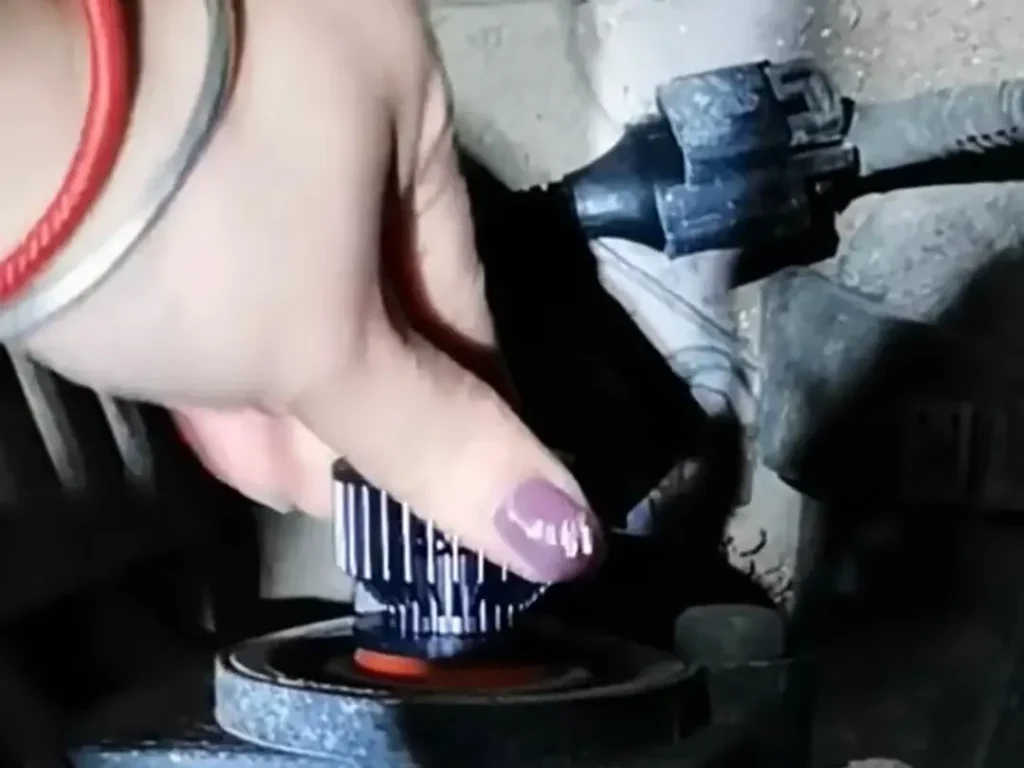
1. Burnt bulb
- Most common. If one side is out, it’s often just the bulb.
- If both sides are out at the same time, I still check bulbs, but I immediately think fuse/switch/relay.
2. Fuse issue
- Easy to overlook because “everything else works.”
- A slightly corroded fuse leg can look fine and still fail under load.
3. Switch problem (or the switch isn’t actually sending the signal)
- Some switches feel “normal” even when the internal contact is worn.
- If your dashboard indicator behaves strangely, don’t ignore it.
4. Connector corrosion at the lamp
- Fog lights live low, where water, mud, salt, and road grime collect.
- A loose connector can also heat up and fail intermittently (the annoying kind).
5. Wire damage near the bumper
- Zip ties break, wires rub, insulation wears—then you get shorts or open circuits.
A quick, no-drama way to diagnose before you start disassembling
If you want to avoid pulling the bumper/liner twice, do it like this:
- Step 1: Swap left/right bulbs (if accessible)
- If the problem moves, it’s the bulb.
- Step 2: Check the fuse
- Use a test light or multimeter if you have one. Don’t just “look at it.”
- Step 3: Check for voltage at the connector
- Fog light ON, measure at the plug.
- If you have voltage but no light: bulb/ground/connector.
- If you have no voltage: upstream (fuse/switch/relay/wiring).
- Step 4: Check ground
- A bad ground can make the bulb weak, flicker, or not light at all.
Alto fog light replacement tutorial (the way I’d explain it to a friend)
This is the basic bulb replacement flow most people can handle with simple tools.
What you’ll need
- Gloves (fog bulb glass hates finger oil)
- Screwdriver / trim clip tool
- A small socket set if your liner uses bolts
- Replacement bulbs (match the bulb type you already have)
Steps
1. Park safely
- Flat ground, handbrake on, lights OFF.
- Let the lamps cool if they were on.
2. Access the rear of the fog lamp
- Many Altos let you reach through the wheel well.
- Turn the steering wheel outward (to create space), then open the liner access.
3. Unplug the connector
- Don’t yank the wires. Press the tab and pull the plug straight back.
4. Remove the bulb
- Usually a twist-lock: rotate to unlock, then pull out.
- Pay attention to how it sits—this matters on reinstall.
5. Install the new bulb
- Don’t touch the glass.
- Align it correctly and twist to lock.
6. Reconnect and test
- Turn the fog light on before you reattach all clips.
- Confirm both sides work, and that the beam looks even.
7. Reassemble
- Secure the liner properly—loose liner = future wire rub.
After replacement: what changed for me
Even with a standard bulb, the biggest “upgrade” was simply having a working beam again. In rain, the Alto felt less stressful to place in the lane. The light doesn’t make you faster, but it makes you calmer—and that’s the real benefit on a small car.

Ertiga fog light: the best upgrade for a family car is the one that reduces fatigue
The Ertiga is the opposite vibe. You’re not trying to “build” it. You’re trying to make it easier to drive with passengers, groceries, and sometimes a tired driver behind the wheel.
An ertiga fog light upgrade makes sense because the Ertiga gets used in exactly the conditions where fog lamps matter: early mornings, highway spray, rainy city streets, and long trips where your eyes start feeling dry and overworked.
What I noticed with stock Ertiga fog lights (and why I changed them)
Stock fogs (depending on year/trim) are usually “fine” on a dry road, but they tend to:
- Get swallowed by heavy rain and wet reflections
- Lack a clean cutoff, so the beam feels messy
- Be too yellow/dim for some roads, or too scattered
The key issue wasn’t raw brightness. It was control. On wet roads, uncontrolled light becomes glare, and glare becomes fatigue.
What matters when retrofitting fog lights on an Ertiga
If you’re going LED/projector style, a few things matter more than marketing:
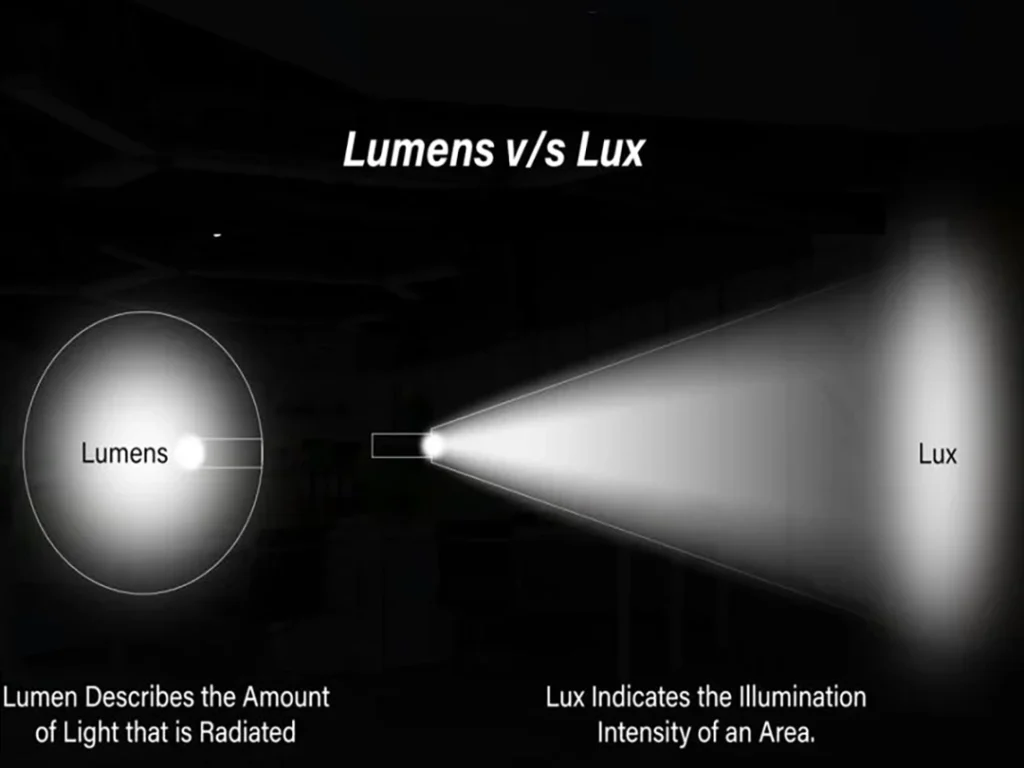
- Beam pattern: wide and low, not just “bright”
- Cutoff discipline: less stray light = better in fog/rain
- Heat management: small housings cook cheap LEDs
- Mounting rigidity: family car = bumps, load changes, lots of use
Installation notes (Ertiga is easier to live with, but don’t rush aiming)
Mechanically, access is usually straightforward—often through the liner or bumper access points.
But aiming is where people ruin a good kit:
- Fog lights should light the near field and shoulders.
- If you aim them too high because “it looks brighter,” you’ll create more back-glare in mist and annoy other drivers.
My aiming rule of thumb
On a flat wall/garage door:
- Keep the top edge of the fog beam low.
- Adjust both sides evenly.
- Verify on a real wet road (the wall test lies sometimes).
Driving impression after the Ertiga fog light upgrade
This is where it felt worth it:
- In rain, the road texture came back—lane lines and surface changes were easier to read.
- On highways with spray, I had less “white haze” in front of the car.
- My eyes felt less strained after longer night drives.
It didn’t turn the Ertiga into a rally car. It just made it feel more “sorted,” like the lighting finally matched how the car is actually used.
Santro Xing fog light: small car, big difference—especially in city rain and narrow roads
The santro xing fog light experience surprised me the most. The Santro Xing is a simple car. When something improves, you feel it immediately because there aren’t a hundred other comfort features masking the change.
The real pain points on the Santro Xing before the upgrade
- City rain = shiny roads + oncoming glare
- Narrow streets = you need shoulder/edge visibility more than distance
- Older housings/connectors can be brittle (be gentle)
Stock lighting on older cars can be inconsistent. Sometimes it’s not even “bad”—it’s just aged: dull reflectors, hazy lenses, tired bulbs.
What to watch out for on a Santro Xing fog light install
This is where patience matters:
- Old clips break easily: buy a few spare fasteners if you can.
- Check connector condition: if it’s green and crusty, clean it or replace it.
- Make sure the fog lamp sits tight: vibration kills bulbs and makes beam aim wander.
After the retrofit: what I actually felt on the road
The Santro Xing gained:
- Better near-field fill in rain
- Less “guessing” where the curb ends
- A more confident feel in the first 20–30 meters ahead, which is where you make most decisions in city driving anyway
This is the kind of upgrade that doesn’t sound exciting, but the first time you drive in heavy rain, you understand.
H3: What I learned across all three cars (and what I’d tell you to do first)
1) Don’t confuse brightness with usability
A bright fog light with a messy beam can be worse than a dim one. What you want is controlled light: wide, low, even.
2) Fix the “not working” problem before you “upgrade”
If your Alto fog light is dead, diagnose it properly first. Otherwise you might install new lamps and still have:
- A bad fuse
- A bad switch
- A broken ground
- A damaged harness
3) Aim is half the upgrade
Even the best projector fog setup can be ruined by bad aiming. If you only do one “extra” step, do the wall test and then re-check on a wet road.
4) Treat connectors like a real part of the system
Water + low mounting height = corrosion. A perfect lamp with a weak connector will flicker, dim, or fail early.
H3: Quick buying/retrofit checklist (so you don’t redo the job)
- Confirm bulb type / connector type before ordering
- Prefer a beam pattern that is wide + low
- Check housing sealing and venting
- Plan for aiming time (don’t do it “in the dark on the street”)
- Keep left/right parts consistent (same batch, same model)
Closing thoughts
If I had to sum it up:
- Alto fog light work is usually about getting something basic working again—and it pays off immediately in rain.
- Ertiga fog light upgrades are about comfort and reducing fatigue. The car feels safer because the light is more controlled.
- Santro Xing fog light upgrades deliver a surprisingly big real-world improvement because the driving environment is often messy: glare, narrow roads, and older components.
If you want, tell me what year/trim your Alto/Ertiga/Santro Xing is, and whether you’re keeping halogen or moving to LED/projector. I can help you tighten the section headers, add a “parts list,” and make the install steps match your exact bumper access style.
 English
  Español
  Tiếng Việt
  ไทย
ไทย  العربية
  Русский
  Bahasa Melayu
  Français
  Deutsch
  हिन्दी
  Bahasa Indonesia