
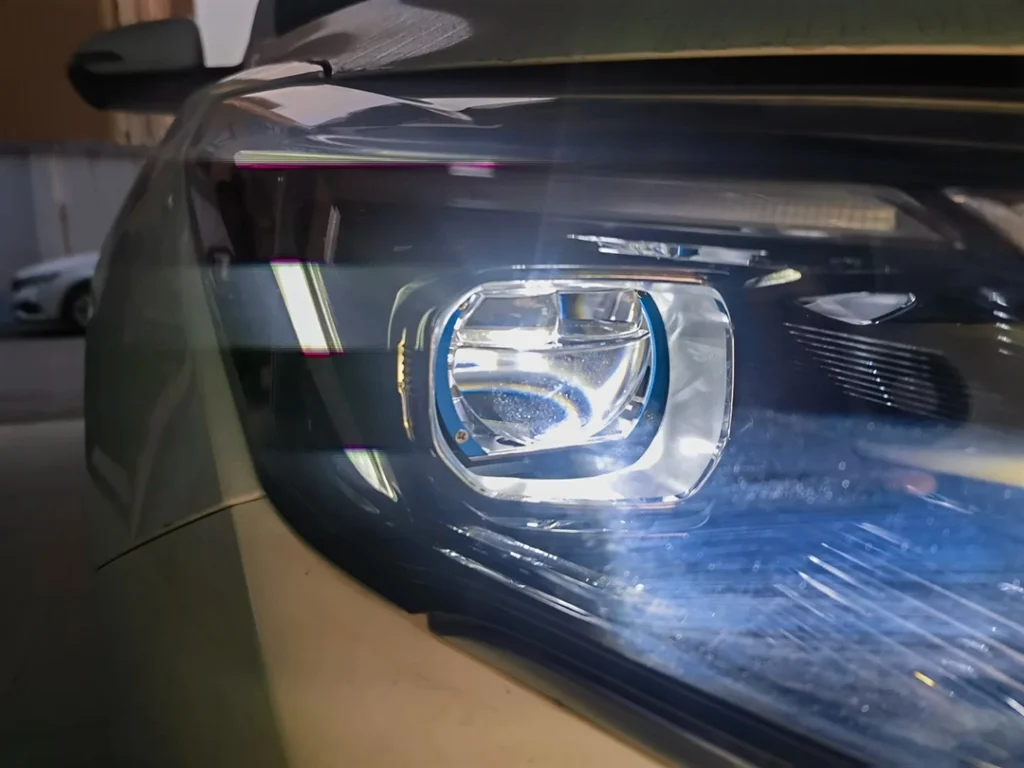
Look at the front bumper of a few different cars and you’ll notice a pattern: some have dedicated fog lamps, some have blank plastic inserts where fog lamps could be, and some rely entirely on their headlights. That naturally leads to a common question: Do all cars have fog lights?
No—not all cars come with fog lights. Whether a vehicle has them depends on trim level, market regulations, design choices, and cost targets. Even within the same model line, one variant might have front fog lamps while another deletes them to hit a price point.
Why some cars don’t include fog lights
Fog lights are useful, but they’re also often treated as an “upgrade feature.” Manufacturers may decide:
- Headlights + DRLs are “good enough” for most drivers most of the time
- A dedicated fog lamp unit adds cost, wiring, switchgear, and testing
- Modern headlamp optics (projectors, LEDs, adaptive beams) can cover part of the use case
Front vs rear fog lights (and why it matters)
People say “fog lights” as if it’s one thing, but there are two jobs:
- Front fog lights: help you see the road edge and markings in poor visibility by throwing a low, wide beam
- Rear fog light (singular on many cars): helps others see you from behind in dense fog
It’s possible to have one without the other, which is why the answer to “do all cars have fog lights” is often “it depends.”
Fog lights color
The next rabbit hole is Fog lights color—usually framed as yellow vs white. Here’s the practical truth: color matters, but it’s not magic. In fog, rain, or snow, the real enemy is scatter and glare.
When light hits tiny water droplets or ice crystals in the air, part of it reflects and scatters back toward your eyes. The more “backscatter” you get, the more you experience that frustrating effect where everything looks brighter but you actually see less.
What different colors typically do
While results vary by lamp design and optics, common real-world trends look like this:
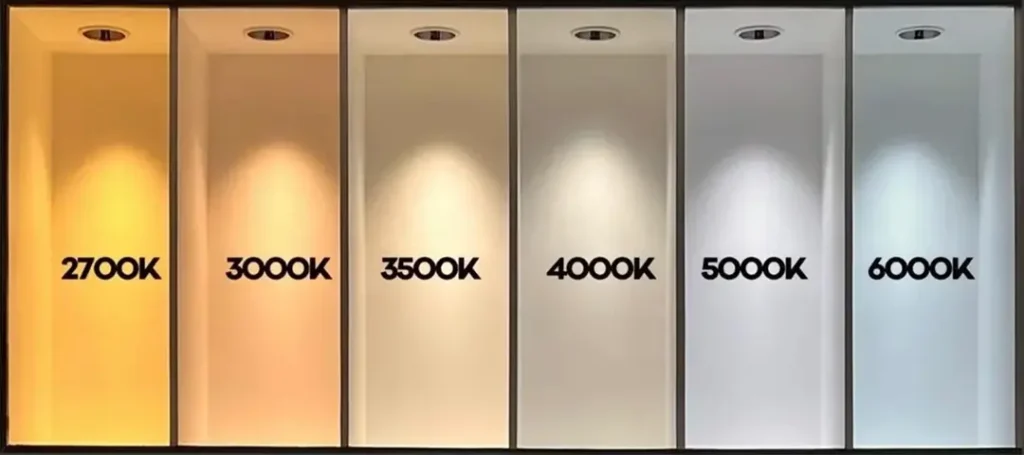
- Yellow / amber (roughly 2700K–3500K)
Often feels easier on the eyes and can improve perceived contrast in haze, spray, and snowfall. - Neutral white (roughly 4000K–5000K)
A balanced option when you want a clean look without going overly cool. Can perform well if the beam pattern is controlled. - Cool white / bluish (6000K+)
Can look very bright, but often increases perceived glare in wet conditions and may feel “harsh” on long drives.
Beam pattern beats color (every time)
A well-designed fog light should have:
- A wide beam to light shoulders and lane edges
- A sharp cutoff to keep light low (so you don’t light up the fog in front of you)
- Stable output without flicker or hotspots
If the optics are poor or the lamp is aimed too high, even the “perfect” color won’t help—you’ll just create a brighter wall of scatter. This is why many drivers upgrading to a fog-focused setup look for brands that emphasize usable beam control (for example, leding often gets mentioned in the context of practical, road-usable output rather than just chasing a whiter look).
Best fog light color for rain
For Best fog light color for rain, the goal isn’t “pierce the rain”—it’s to reduce glare off wet surfaces and improve near-field visibility when spray and reflections are doing their worst.
The most practical picks
In rain-heavy night driving, these are usually the safest bets:
- Yellow/amber for comfort and reduced harsh reflections
- Neutral white if you prefer a whiter look, as long as the beam is tightly controlled
Why rain can feel harder than fog
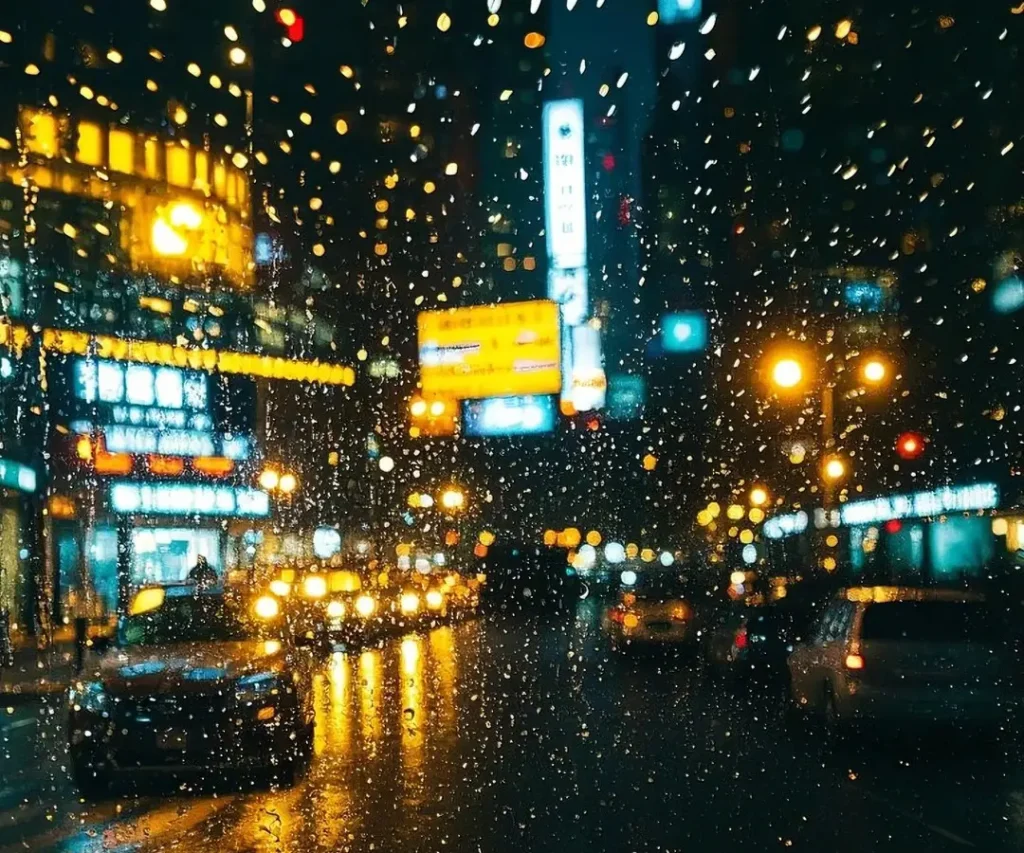
Rain creates multiple glare sources at once:
- Wet pavement acts like a mirror
- Oncoming traffic reflections intensify
- Road signs and paint can bloom and flare
A slightly warmer fog color can feel less fatiguing because it reduces that “glary whiteness” effect—especially during long stretches of driving.
Two mistakes that ruin rain visibility
- Aiming fog lights too high
Fog lights should “skim” the road. If they’re angled up, you’re illuminating the rain itself. - Using overly cool fog lights for style
Rain + cool light + reflective pavement can equal eye strain fast.
Best fog light color for snow
For Best fog light color for snow, the challenge is even more obvious: you’re driving through a field of reflective particles. Bright, cool light can make falling snow sparkle right back into your face.
Why yellow/amber is often recommended in snow
- It tends to create better contrast against white surroundings
- It often produces less perceived glare in active snowfall
- It’s easier to keep your eyes relaxed when everything is bright
When neutral white can still work
If snow is on the ground but not actively falling (and visibility is decent), neutral white fog lights can be perfectly fine—again, assuming:
- Proper fog optics with a low cutoff
- Correct aiming
- Sensible brightness
Real-world checklist before you buy or upgrade
Fog lights are a “details matter” product. Before choosing a setup, run through this quick list:
Fit and function
- Confirm compatibility with your vehicle’s housing and wiring
- Avoid setups that trigger dashboard errors or cause poor heat management
Cutoff and aim
- After installation, do a wall check: you want a wide band of light with a clean upper edge
- If your fogs are lighting up tree trunks and mirrors, they’re not fogs anymore—they’re glare generators
Choose usable brightness
Marketing loves big numbers. Bad weather loves controlled light. The best-performing fog setup is often the one that looks less dramatic in a dry parking lot and more helpful in rain, fog, and snow.
Takeaway (the simple, non-forum answer)
- Do all cars have fog lights? No—many trims delete them, and some cars rely on headlight tech instead.
- Fog lights color should be chosen for comfort and contrast, not just appearance.
- Best fog light color for rain is usually yellow/amber (or neutral white with excellent cutoff).
- Best fog light color for snow often leans yellow/amber for reduced glare and better contrast.
If you’re building a fog-light upgrade story for leding, the most convincing angle isn’t “brightest” or “whitest.” It’s: low glare, clean cutoff, and real visibility when the weather turns messy—the moments drivers actually remember.
 English
  Español
  Tiếng Việt
  ไทย
ไทย  العربية
  Русский
  Bahasa Melayu
  Français
  Deutsch
  हिन्दी