
When drivers consider upgrading their headlights, especially on newer vehicles, they usually ask the same practical questions:
- Will the wiring need to be modified?
- Will the upgrade increase the risk of electrical failure or fire?
- Will it affect the vehicle warranty?
These are reasonable concerns. Headlight upgrades involve both electrical and optical components, and no car owner wants to improve lighting at the expense of safety or peace of mind.
The good news is that, in most cases, a properly designed and professionally installed projector headlight upgrade is safe and manageable. The key lies in the quality of the parts, the installation method, and whether the system is matched correctly to the vehicle.
Why These Concerns Are So Common
Headlight modification has been around for many years. The market has evolved from:
- halogen-to-HID projector retrofits
- HID projector systems
- LED projector upgrades
- newer high-output laser-assisted lighting systems
As the industry has matured, both the products and the installation methods have become more standardized. However, drivers still worry because they often hear conflicting information online. Some say headlight upgrades are perfectly safe, while others warn about burnt wires, CANBUS errors, and warranty disputes.
In reality, the answer depends on how the upgrade is done.
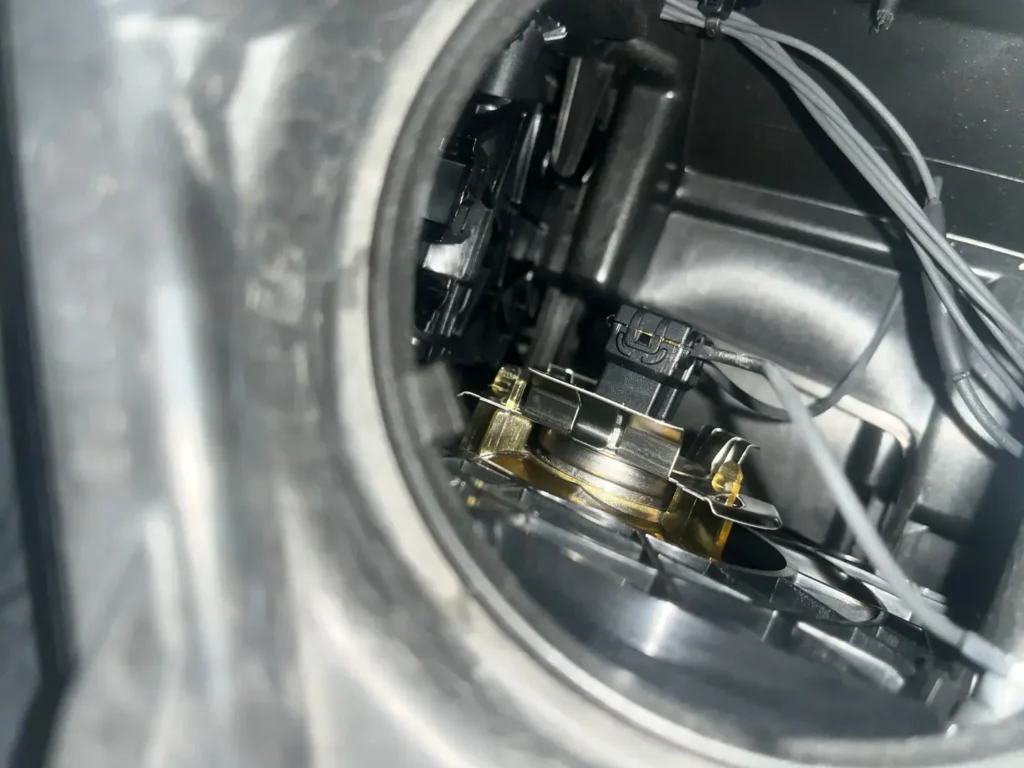
Does Upgrading to Projector Headlights Always Require Cutting the Original Wiring?
Not always.
For many common vehicle models, especially halogen-equipped cars, projector retrofits can often be completed with minimal electrical changes. In some cases, the upgraded headlight assembly or projector system can be connected directly to the factory plug or integrated using model-specific adapters.
Other vehicles, particularly European models or cars with more sensitive electronic systems, may require:
- decoder modules
- CANBUS compatibility solutions
- computer matching or coding
- dedicated relay harnesses
Even in these cases, a professional installation does not necessarily mean destructive wiring changes. A proper setup should aim to:
- avoid unnecessary cutting of the factory harness
- maintain original functions
- use dedicated connectors when available
- ensure correct power supply and signal communication
So the real issue is not whether the headlight is upgraded, but whether the upgrade is done with a compatible and well-engineered solution.
Can a Projector Headlight Upgrade Cause Fire Risk?
A correctly installed upgrade should not create an unusual fire risk. However, poor-quality parts or incorrect installation can absolutely create electrical safety problems.
Typical risk factors include:
- undersized or low-quality wires
- loose or poorly crimped connectors
- unstable power supply
- overloaded circuits
- low-grade ballasts or drivers
- improper fuse protection
- poor heat management
In other words, the danger does not come simply from “adding projector headlights.” It usually comes from non-standard installation practices or cheap components.
A professional installer will normally pay close attention to:
- power matching
- wire gauge
- connector quality
- fuse protection
- insulation and routing
- heat dissipation
- compatibility with the original vehicle system
When these factors are handled correctly, the safety of the upgrade is generally controllable and reliable.
What About Vehicles That Need Extra Harnesses or Decoders?
Some vehicles do require additional components for the upgraded headlights to work properly.
This is especially common when the original vehicle electronics monitor bulb resistance, startup current, or communication signals. In such cases, installers may use:
- dedicated decoder modules
- anti-flicker devices
- relay harnesses
- external power supply solutions
This does not automatically mean the upgrade is unsafe. In fact, these parts are often used to improve system stability and avoid overloading the factory circuit.
The important point is that these additions should be:
- vehicle-matched
- properly fused
- correctly routed
- securely mounted
- installed without damaging original functions
Will a Projector Upgrade Affect the Vehicle Warranty?
This is one of the most sensitive questions, especially for owners of new cars.
The honest answer is:
It depends on the vehicle, the upgrade method, and the warranty policy of the manufacturer or dealer.
In many cases, a non-destructive installation using model-matched parts, dedicated harnesses, or plug-and-play connections may have limited impact on the rest of the vehicle. However, if a failure occurs in a modified area, the dealer may inspect whether the upgrade contributed to the problem.
A more realistic way to explain it is this:
- a proper upgrade does not automatically void the entire vehicle warranty
- but parts directly affected by the modification may be reviewed differently if a related problem appears
- policies can vary by brand, region, dealer, and installation method
That is why it is better to avoid absolute claims such as “it will never affect warranty” or “all upgrades void warranty.” Neither statement is universally accurate.
How to Reduce Risk When Upgrading Headlights
If a driver wants better lighting performance without unnecessary safety concerns, the best approach is to focus on professional execution.
A safer and more reliable upgrade usually includes:
- high-quality projector components
- matched drivers, ballasts, or harnesses
- proper coding or decoder support when required
- no unnecessary damage to the factory wiring
- secure connectors and fuse protection
- correct aiming and beam adjustment
- installation by an experienced shop
Choosing the cheapest option may save money upfront, but it often increases the risk of beam issues, electrical faults, or long-term instability.
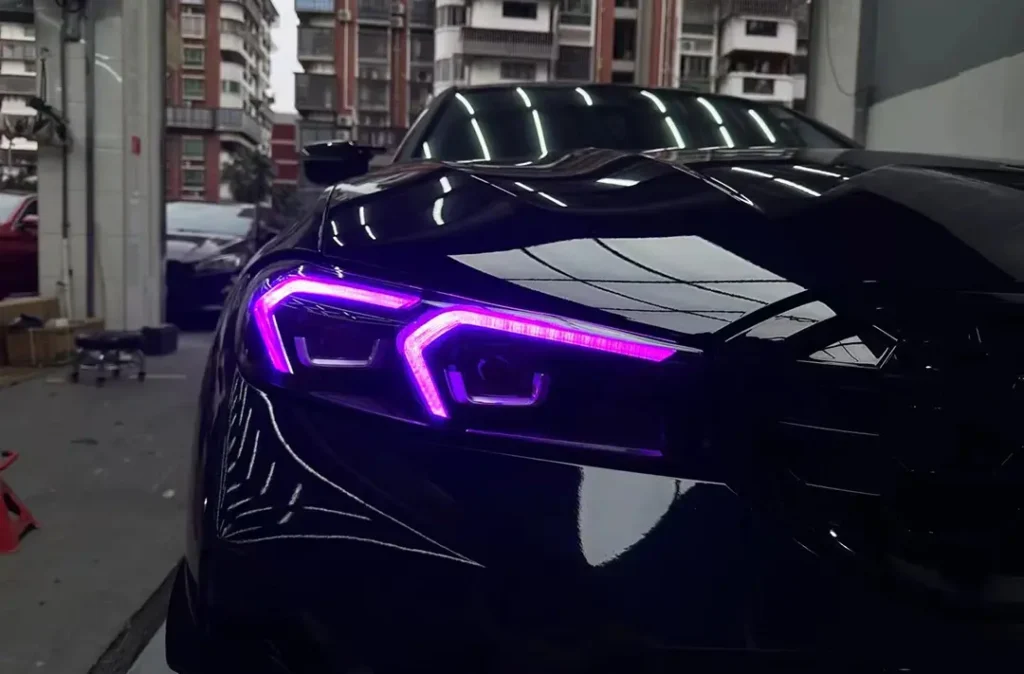
Who Should Be Most Careful?
Some drivers should pay extra attention before upgrading:
- owners of brand-new vehicles still under full warranty
- vehicles with complex electronic control systems
- models known for bulb monitoring or CANBUS sensitivity
- cars that already have limited wiring space or poor heat management
For these vehicles, product compatibility and installation experience matter even more than brightness claims.
Final Thoughts
Upgrading to projector headlights does not automatically mean cutting wires, creating fire hazards, or losing your entire vehicle warranty. In most cases, the real deciding factors are:
- the quality of the product
- whether the system is properly matched to the vehicle
- the professionalism of the installation
- how well the electrical load and heat are managed
A well-planned projector upgrade can improve nighttime visibility while keeping electrical and warranty risks under control. But like any vehicle modification, it should be approached carefully and professionally.
If better lighting is the goal, the smartest path is not simply choosing the brightest option. It is choosing a safe, compatible, and properly installed solution.
 English
  Español
  Tiếng Việt
  ไทย
ไทย  العربية
  Русский
  Bahasa Melayu
  Français
  Deutsch
  हिन्दी
  Bahasa Indonesia