
Die meisten Leute kaufen Nebelscheinwerfer auf die gleiche Weise wie Handy-Ladegeräte: Sie nehmen das billigste, das “passt” und große Zahlen auf den Fotos hat.
Dann kommt die Realität: Blendung durch Regen auf nassem Asphalt, Dunst, der helles Licht in eine weiße Wand verwandelt, Kondenswasser im Objektiv, Flimmern oder eine Halterung, die sich nicht ausrichten lässt. Plötzlich ist die Auto-Nebelscheinwerfer Preis die Sie bezahlt haben, waren nicht die tatsächlichen Kosten.
In diesem Leitfaden geht es um zwei Dinge, die Menschen tatsächlich suchen:
- Auto-Nebelscheinwerfer Preis (was Sie zahlen werden und warum)
- beste Nebelscheinwerfer für Autos (was man kaufen sollte, um wirklich fahren zu können, nicht, um im Showroom gut auszusehen)
Es handelt sich nicht um eine Markenübersicht und auch nicht um eine tiefgründige wissenschaftliche Lektion. Es ist eine Entscheidungshilfe mit Schwerpunkt auf Gesamtkosten, Haltbarkeit, und Alltagstauglichkeit.
Auto-Nebelscheinwerfer Preisklassen: Was Sie bei jedem Budget tatsächlich erhalten
A Nebelscheinwerfer Der Preis ist nur dann sinnvoll, wenn Sie wissen, was alles enthalten ist. In Online-Angeboten werden diese Kategorien oft vermischt:
1) Nur Ersetzen (geringe Ausgaben): US$20-$80
Normalerweise kaufen Sie:
- Ersatzglühbirnen oder ein einfaches LED-Glühbirnen-Set zum Einstecken
Am besten geeignet für:
- Wiederherstellung eines werksseitig eingebauten Nebelscheinwerfers, der früher einwandfrei funktionierte
- Fahrer, die eine schnelle Lösung suchen und nachts nicht lange fahren
Allgemeines Bedauern:
- Sie verbessern die nutzbare Sicht nicht wirklich, wenn das Gehäuse alt ist oder die Optik einfach ist.
2) Upgrade-Stufe (am häufigsten): US$60-$150
Normalerweise kaufen Sie:
- höherwertige Glühbirnen oder einfache Nebelscheinwerfer-Sets, manchmal mit verbesserten Komponenten
Am besten geeignet für:
- tägliches Fahren bei gemischtem Wetter
- Menschen, die eine bessere Leistung und eine bessere Konsistenz wünschen, ohne “Premium” zu kaufen”
Allgemeines Bedauern:
- “sieht hell aus”, funktioniert aber bei Regen schlecht, weil das Licht zu grell, zu kühl oder instabil ist
3) Langfristige / starke Nutzung: US$150-$400+
Normalerweise kaufen Sie:
- besser gefertigte Lampen/Baugruppen, bessere Abdichtung, bessere Elektronik, vollständigere Einbauteile
Am besten geeignet für:
- häufige Nachtfahrten
- hohe Luftfeuchtigkeit, starke Regenfälle, staubige Straßen, raue Straßen
- Wer hat es satt, billige Lichter zu ersetzen?
Allgemeines Bedauern:
- Sie zahlen einen hohen Preis, erhalten aber trotzdem eine schwache Dichtung oder eine schlechte Passform (der Preis ist keine Garantie für Qualität).
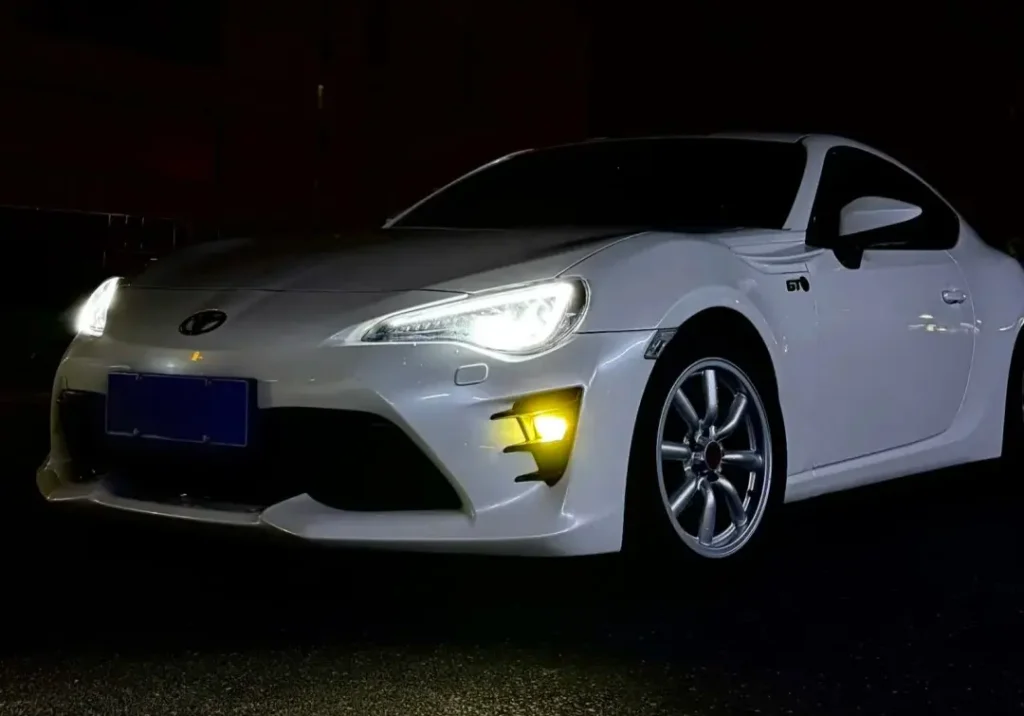
Warum die Preise für Nebelscheinwerfer so stark schwanken: 7 Details, die Listings nicht erklären
Wenn Sie zwei Produkte vergleichen und eines davon das Doppelte kostet, liegt das in der Regel an einem oder mehreren dieser Faktoren:
1) Anpassungsarbeiten
Fahrzeugspezifische Passform und stabile Befestigung kosten mehr als “universelle” Halterungen.
2) Versiegelung und Kondensation Kontrolle
In feuchten und regnerischen Klimazonen kann dies den Unterschied zwischen “funktioniert jahrelang” und “versagt in einer Saison” ausmachen.”
3) Stabilität der Elektronik (insbesondere bei LEDs)
Ein besserer Treiber und ein besseres thermisches Design bedeuten weniger Flackern, weniger Frühausfälle und eine gleichmäßigere Leistung.
4) Qualität der Stecker und der Verkabelung
Schlechte Steckverbinder verursachen intermittierende Probleme, die sich wie “zufällige Defekte” anfühlen.”
5) Materialqualität (Objektiv, Gehäuse, Beschichtung)
Billige Kunststoffe vergilben schneller, und billige Beschichtungen trüben bei Hitze und Sonne.
6) Qualitätskontrolle und Konsistenz
Zwei billige Lampen können auf Fotos identisch aussehen und sich auf der Straße völlig unterschiedlich verhalten.
7) Garantie und Kundendienst
Echte Unterstützung kostet Geld. Er spart aber auch Geld, wenn etwas schief geht.
Beste Nebelscheinwerfer fürs Auto: Wählen Sie nach “Anwendungsfall”, nicht nach Buzzwords
Eine bessere Frage wäre: “Für welche Fahrbedingungen ist es am besten geeignet?”: am besten für welche Situation? Hier sind die drei Kaufprofile, die die meisten Fahrer abdecken.
Profil A: Regennächte und nasser Asphalt (Kontrolle der Reflexionen zuerst)
Sie brauchen Nebelscheinwerfer, die:
- Licht niedrig und in der Nähe des Fahrzeugs nutzbar halten
- kein störendes Flimmern erzeugen
- innen klar bleiben (kein Beschlagen von innen)
Kauftipp:
- vermeiden Sie ultracoole weiße “eisblaue” Geräte, wenn Sie auf nassen Straßen empfindlich auf Blendung reagieren
Profil B: Morgennebel und schlecht sichtbare Stellen
Sie brauchen Nebelscheinwerfer, die:
- helfen Ihnen, den Straßenrand und den Seitenstreifen zu erkennen
- mach den Dunst vor dir nicht heller als die Straße selbst
- sich bei langen Fahrten wohlfühlen (weniger Belastung der Augen)
Kauftipp:
- Komfort und Konsistenz haben Vorrang vor der Helligkeit von Schlagzeilen
Profil C: Konstante Vibration + Staub (wo Montage und Dichtungen zuerst versagen)
Sie brauchen Nebelscheinwerfer, die:
- solide montieren und gezielt halten
- haben eine starke Dichtung und robuste Anschlüsse
- Vibrationen aushalten kann, ohne vorzeitig zu sterben
Kauftipp:
- ein geringfügig höherer Anschaffungspreis ist oft billiger als wiederholte Ersatzbeschaffungen
Die beste Wahl für Nebelscheinwerfer ist oft diejenige, die auf Dauer weniger kostet
Wenn Sie einen Doppelkauf vermeiden wollen, sollten Sie nicht nur den Kaufpreis vergleichen, sondern die Gesamtkosten berücksichtigen:
Die Gesamtkosten umfassen:
- Zeit und Arbeit für die Installation (auch wenn Sie es selbst tun, ist Ihre Zeit wichtig)
- Ersetzungen (wie oft werden Sie nachkaufen)
- Ausfallzeiten (Fahren bei schlechter Sicht oder einer toten Seite)
- kleine Defekte (Kondensation, lockere Halterungen, Flimmern), die Sie ohnehin ersetzen müssen
A niedrig Auto-Nebelscheinwerfer Preis ist nur dann ein gutes Geschäft, wenn es Monat für Monat klar, stabil und richtig ausgerichtet bleibt.
LED vs. Halogen: Wie man sich entscheidet, ohne zu viel nachzudenken
Sie können mit beiden ein gutes System aufbauen. Die bessere Wahl hängt von Ihren Prioritäten ab.
Wählen Sie Halogen, wenn:
- Sie wollen die niedrigsten Anfangskosten
- Sie bevorzugen ein weicheres, wärmeres Gefühl bei schlechtem Wetter
- Sie wollen einfache, leicht durchzuführende Ersetzungen fast überall
Was Sie aufgeben:
- kürzere Lebensdauer und häufigerer Austausch
- weniger Produktionspotenzial
Wählen Sie LED, wenn:
- Sie wollen eine lange Lebensdauer und weniger Ersatzbeschaffungen
- Sie fahren viel in der Nacht und wünschen sich gleichmäßige Helligkeit
- Sie Wert auf Effizienz und sofortige volle Leistung legen
Was Sie richtig machen müssen:
- stabile Elektronik und gutes Wärmemanagement
- korrekte Abdichtung
- eine vernünftige Farbtemperatur (sehr kühles Weiß kann sich bei Regen/Nebel härter anfühlen)
Das ist der Grund, warum die Argumentation “LED vs. Halogen” im Internet ins Leere läuft: Die Leute vergleichen eine gute Halogenanlage mit einer billigen LED-Anlage (oder umgekehrt) und geben der Technologie die Schuld, nicht der Bauqualität.
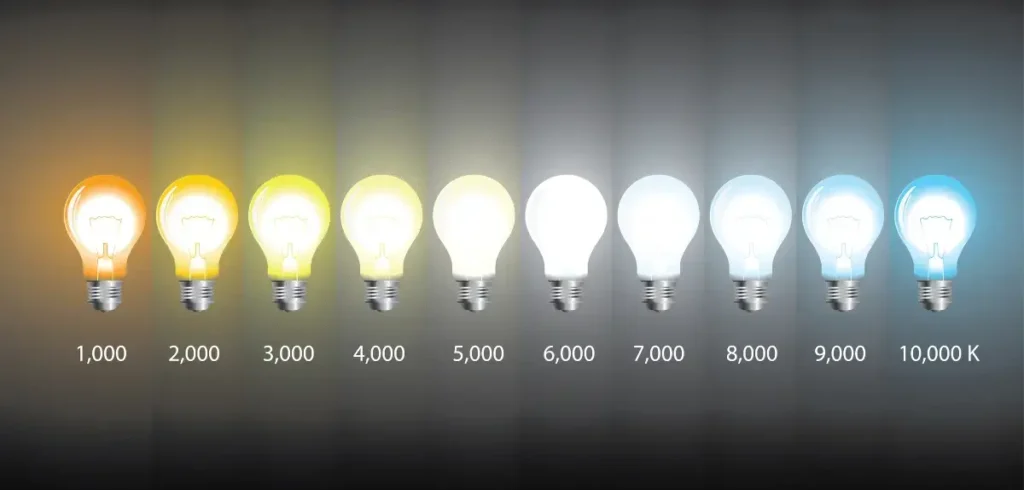
Farbwahl ohne Vortrag: Was die meisten Autofahrer kaufen sollten
Wenn Sie einfach eine sichere Wahl treffen wollen:
- Gelb (etwa 3000K): bester Komfort bei Nebel/Regen für viele Fahrer
- Neutral warm-weiß (ca. 4300K): beste “eine Einrichtung für alles” Balance
- Weiß (5000K-6000K): sauberes Aussehen; kann in Ordnung sein, kann aber auf nassen Straßen stärker reflektierend wirken
- Sehr blaustichig (7000K+): für echte Schlechtwetterfahrten in der Regel nicht lohnenswert
Die versteckten Fehlerpunkte (wo billige Nebelscheinwerfer in der Regel verlieren)
Prüfen Sie diese Bereiche vor dem Kauf. Sie entscheiden darüber, ob Ihre Nebelscheinwerfer auch nach den ersten Stürmen noch funktionieren.
1) Kondenswasser im Inneren des Objektivs
Wenn Ihre Region feucht ist, ist Kondensation keine Seltenheit - sie ist vorhersehbar, wenn die Abdichtung schwach ist.
2) Flackern und zufällige Abschaltungen
In der Regel werden sie durch instabile Treiber, schlechte Steckverbinder oder eine schwache Verkabelung verursacht - nicht durch “Pech”.”
3) Lose Montage und abdriftendes Ziel
Ein Nebelscheinwerfer, der sich nicht ausrichten lässt, wird sich nie hell genug“ anfühlen, da die Hälfte des Lichts verschwendet wird.
4) Schnelle Alterung der Linse (Vergilbung/Trübung)
Sonne + Wärme + billige Materialien können die Leistung im Laufe der Zeit verringern, selbst wenn die Glühbirne noch funktioniert.
Eine einfache Checkliste für den Kauf (verwenden Sie diese für jedes Inserat)
Wenn Sie die beste Nebelscheinwerfer für Autos, Diese Checkliste fängt die meisten Fehlkäufe ab:
1) Kompatibilität: exakte Passform der Buchse und des Platzes bestätigt (nicht “passt in die meisten Autos”)
2) Montage: solide Halterung/Montagelösung (vibriert nicht lose)
3) Versiegeln: echtes Dichtungsdesign (nicht nur das Wort “wasserdicht”)
4) Stabilität: flackerfreie Stromversorgung und angemessener Wärmehaushalt
5) Option Farbe: bietet eine vernünftige, nebelfreundliche Auswahl (nicht nur extremes Kaltweiß)
6) Unterstützung: klare Garantiebedingungen und ein echter Kontaktkanal
Wenn ein Produkt diese Fragen nicht beantworten kann, ist es schlecht Auto-Nebelscheinwerfer Preis kann eine falsche Einsparung sein.
Wo Leding Kann helfen (wenn Sie eine direkte Empfehlung wünschen)
Wenn Sie uns vier Dinge sagen, können wir Ihnen ein Setup empfehlen, das Ihrem Budget und Ihren Fahrbedingungen entspricht (ohne zu raten):
1) Fahrzeugmodell + Jahr
2) Ihre Hauptbedingung: starker Regen / Nebel / Staub / gemischt
3) Ihre Präferenz: gelb / warm-weiß / weiß
4) Ihr Zielbudget (einfach / mittel / langfristig)
Unterm Strich
Die beste Nebelscheinwerfer für Autos ist nicht das hellste Foto auf einer Produktseite. Es ist dasjenige, das innen klar bleibt, das ausgerichtet bleibt, das elektrisch stabil bleibt und das Ihnen nutzbares Licht gibt, wo Sie es tatsächlich brauchen - besonders in nassen, unordentlichen Nächten.
Und das Klügste Auto-Nebelscheinwerfer Preis ist nicht die niedrigste Zahl. Es ist diejenige, bei der Sie nicht gezwungen sind, dasselbe Upgrade zweimal zu kaufen.
 English
  Español
  Tiếng Việt
  ไทย
ไทย  العربية
  Русский
  Bahasa Melayu
  Français
  Deutsch
  हिन्दी
  Bahasa Indonesia
Eine Antwort
Ich finde es gut, dass Sie sich auf das Praktische konzentriert haben, anstatt nur über Marken oder Funktionen zu sprechen. Es ist leicht, sich von auffälliger Werbung verführen zu lassen, aber wenn es darauf ankommt, braucht man Nebelscheinwerfer, die auch unter realen Bedingungen wie Regen und Blendung funktionieren.