
Nächtlicher Regen ist nicht “dunkler” - er ist lauter
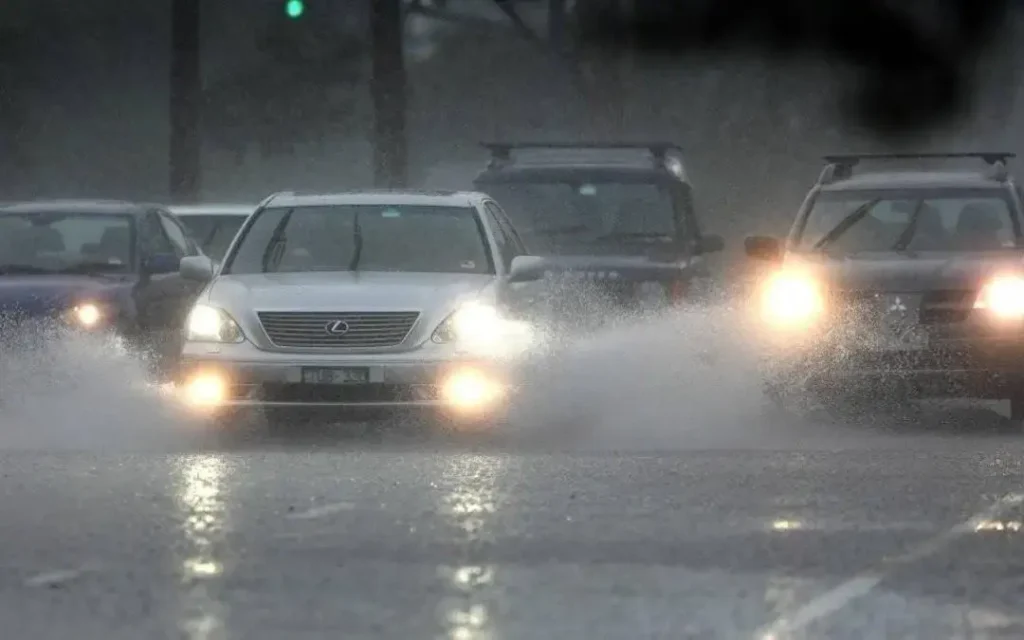
Wenn sich das Fahren bei Regen ermüdend anfühlt, liegt das in der Regel daran, dass Ihre Augen zu viel visuelles Rauschen verarbeiten: Reflexionen auf nassem Asphalt, Lichtreflexe von entgegenkommenden Autos und ein Windschutzscheibe das nie ganz klar aussieht.
Die gute Nachricht ist, dass Sie vieles davon beheben können, ohne Kabel, Glühbirnen oder “Upgrades” anzufassen. Dies ist eine Wartungsroutine, die sich auf ein Ergebnis konzentriert: Der Blick durch Ihr Glas und Ihre Spiegel soll wieder ruhig und scharf aussehen.
Das geistige Bild, das Sie sich vor Augen halten sollten
Auf einer nassen Straße bewegt sich das Licht nicht nur vorwärts. Es wird zurückgeworfen. Wenn Ihre Windschutzscheibe auch nur einen dünnen Film hat, werden diese Reflexionen zu Blendung schnell. Deshalb fühlt sich “mehr Helligkeit” bei Regen oft schlechter an.
Windschutzscheibenfolie: Der #1 Grund, warum Scheinwerfer zu Halos werden
Die meisten Leute geben dem Regen die Schuld. Oft ist es aber tatsächlich eine dünne Schmutzschicht auf dem Glas - vor allem auf der Innenseite.
Außenfolie vs. Innentrübung (zwei unterschiedliche Probleme)
Der äußere Film stammt in der Regel von Straßenspritzern: ölige Rückstände, Dieselnebel, Salz und allgemeiner Schmutz, der von den Scheibenwischern aufgewischt wird.
Im Innenraum ist der Dunst heimtückischer: Ausgasungen von Kunststoffen, Rückstände von Reinigungsmitteln, Fingerabdrücke und die Luftfeuchtigkeit im Innenraum hinterlassen eine matte Schicht.
Wenn Sie nur die Außenseite reinigen, haben Sie immer noch das Gefühl, dass jedes Licht einen Heiligenschein hat“.
Eine einfache Methode für die Innenseite des Glases, die keine Schlieren hinterlässt
Parken Sie im Schatten (oder tun Sie es, wenn das Glas kühl ist).
Verwenden Sie einen Glasreiniger, der sich nicht ölig anfühlt.
Benutzen Sie zwei Tücher: eines zum Reinigen, eines zum vollständigen Trockenpolieren.
Wischen Sie in eine Richtung und polieren Sie dann in die andere Richtung - so werden die Schlieren deutlich.
Konzentrieren Sie sich zunächst auf die Sicht des Fahrers in der Mitte. Dort ist die Blendung am schlimmsten.
Schnelltest (30 Sekunden)
Leuchten Sie nachts mit der Taschenlampe Ihres Handys schräg auf die Innenseite der Windschutzscheibe.
Wenn Sie einen wolkigen “Glanz” oder fleckige Schlierenmuster sehen, haben Sie das Problem gefunden.

Mikro-Kratzer und Wischspuren: Wenn “sauber” immer noch schlecht aussieht
Manchmal macht man alles richtig - sauberes Glas, frische Scheibenwischer - und trotzdem sieht es aus, als würde die Straße glühen. Das kann am Verschleiß der Windschutzscheibe selbst liegen.
Wie Mikrokratzer beim Fahren aussehen
Halos sehen “funkelnd” aus, nicht nur verschwommen
Blendung ist schlimmer, wenn die Windschutzscheibe nass ist
Sie bemerken eine schwache, bogenförmige Wischspur, wenn das Licht genau richtig darauf trifft
Dies ist kein Artikel über die Reparatur von Windschutzscheiben zum Selbermachen, aber es ist eine nützliche Diagnose: Wenn das Glas stark abgenutzt ist, können Sie mit einer Reinigung viel erreichen - erwarten Sie aber keine Perfektion.
Eine Gewohnheit, die verhindert, dass es schlimmer wird
Vermeiden Sie Trockenwischen. Wenn die Windschutzscheibe staubig oder körnig ist, lassen Sie die Scheibenwischer nicht “zur Kontrolle” trocken laufen. Verwenden Sie zuerst Waschflüssigkeit.
Wischer, die sich bewegen, aber nicht klar sind: Was ist zu prüfen (ohne zu viel nachzudenken)
Scheibenwischer können “funktionieren” und trotzdem ruinieren Sichtbarkeit.
Die Symptome, auf die es ankommt
Tauschen Sie die Klingen aus, wenn Sie eines dieser Merkmale im Sichtbereich des Fahrers feststellen:
Ein permanentes Streifenband, das sich nach ein paar Durchgängen nicht mehr auflöst
Rattern/Springen (insbesondere bei bestimmten Geschwindigkeiten)
Ungleiche Räumung links vs. rechts
Verschmierungen, die mit zunehmender Fahrdauer schlimmer werden
Das 30-Sekunden-Klingenrandwischen
Wenn sie sicher geparkt sind:
Ein Mikrofasertuch mit Wasser anfeuchten
Drücken Sie den Gummirand ein und wischen Sie daran entlang
Wenn sich das Tuch dunkel färbt, wurde der Schmutz die ganze Nacht über die Windschutzscheibe geschleift.
Dies “repariert” zwar nicht den alten Gummi, kann aber das plötzliche Verschmieren während der Fahrt spürbar verringern.
Eine realistische Regel
Wenn Sie sich dabei ertappen, dass Sie sich nach vorne lehnen oder Ihren Kopf bewegen, um “eine freie Stelle zu finden”, betrachten Sie dies als Wartungsfehler. Bei Regen auf der Autobahn sollten Sie nicht hoffen, dass es besser wird.
Waschflüssigkeit und Spritzbild: Ihr Notfall-Reset bei starkem Sprühnebel
Bei Regen bedeutet “nass” nicht “sauber”. Der Straßenbelag ist ölig. Das Regenwasser verteilt ihn oft nur.
Der Ein-Wisch-Test
Bei einer leicht feuchten Windschutzscheibe: einmal Waschflüssigkeit aufsprühen, einmal wischen.
Wenn es sauber abläuft: gut.
Wenn es sich in einen schmierigen Fleck verwandelt: Ihre Flüssigkeit schneidet den Film nicht (oder das Glas ist stark verschmutzt).
Zielspritzen ist wichtiger als man denkt
Wenn die Düsen hauptsächlich die unteren Ecken treffen oder über die Dachlinie hinausgehen, reinigen Sie nicht den Teil, durch den Sie tatsächlich sehen. Sie brauchen keine detaillierte Fehlersuche - stellen Sie nur sicher, dass der Sprühstrahl den Sichtbereich des Fahrers trifft.
Entfoggen ohne Panikwischen
Das Beschlagen von Innenräumen ist in der Regel auf Feuchtigkeit und kaltes Glas zurückzuführen, was kein Geheimnis ist.
Der zuverlässige Ansatz
Schalten Sie die Klimaanlage ein (auch bei kühlem Wetter), um die Innenraumluft zu trocknen.
Den Luftstrom frühzeitig auf die Windschutzscheibe richten
Verwenden Sie Frischluft, wenn die Kabine feucht ist (nasse Jacken, Passagiere, Regenmatten)
Was es noch schlimmer macht
Langer Umluftbetrieb bei nassem Wetter (schließt Feuchtigkeit ein)
Abwischen mit der Hand oder dem Ärmel (hinterlässt einen Fleck, der Blendlicht einfängt)
Wenn Sie schon einmal eine beschlagene Windschutzscheibe gewischt haben und dann eine Stunde lang auf einen verschmierten Fleck im Scheinwerferlicht des Gegenverkehrs gestarrt haben, wissen Sie, warum das wichtig ist.
Spiegel und Seitenscheiben: Halten Sie Ihre “Entscheidungshilfen” lesbar
Wenn die Spiegel verschwimmen, wird der Spurwechsel zum Rätselraten. Bei Regen wird das Raten teuer.
Der Spiegelfilm ist echt
Auch in Spiegeln sammelt sich ein Film. Eine dünne Schicht sorgt dafür, dass Tröpfchen haften bleiben und alles hinter Ihnen verzerren. Reinigen Sie Spiegel wie Glas: abwischen, dann trocken polieren.
Beheizte Spiegel (wenn Sie sie haben)
Benutzen Sie sie frühzeitig. Zu warten, bis die Spiegel bereits wässrig sind, ist so, als würde man den Entfogger erst dann einschalten, wenn die Windschutzscheibe völlig beschlagen ist - möglich, aber langsamer und anstrengender.
Die Gewohnheit des schnellen Stopps
Bei langen Regenfahrten auf der Autobahn kann ein 20-sekündiger Wisch an einem Tankstopp (Spiegel + Seitenscheiben) viel Vertrauen zurückbringen.
Äußeres Optik Prüfen: Nebellampe für Auto Klarheit der Linse (nur Wartung)
In diesem Abschnitt geht es nicht darum, wann man Nebelscheinwerfer verwenden sollte, wie Nebelscheinwerfer funktionieren, wie sie eingebaut werden, was sie kosten und wie sie Fehler beheben. Diese Themen haben Sie bereits an anderer Stelle behandelt.
Es geht nur darum, niedrig angebrachte Linsen sauber zu halten, damit sie in einer ohnehin schon spiegelnden Nacht nicht noch mehr Dreck verursachen.
Warum die Linse der Nebelscheinwerfer fürs Auto zuerst schmutzig wird
Nebelscheinwerfer sitzen tief, direkt im Spritzwasserbereich. Sie werden davon getroffen:
Salznebel
öliger Film
Körnung, die die Oberfläche der Linse/des Deckels langsam aufraut
Ein verschmutztes oder löchriges Nebelscheinwerferglas kann dazu führen, dass der Bereich vor dem Auto auf nasser Fahrbahn “hell, aber milchig” aussieht. Dieses Gefühl ist normalerweise kein Leistungsproblem, sondern ein Problem der Klarheit.
Schnell Nebelscheinwerfer Streuscheibe/Nebelscheinwerferabdeckung prüfen (30 Sekunden)
wenn geparkt:
Wischen Sie das Nebelscheinwerferglas mit einem sauberen Mikrofasertuch ab.
Wenn Sie fettige Verschmutzungen sofort abziehen, war dieser Film während der Fahrt vorhanden.
Wenn die Linse nach dem Abwischen immer noch trüb aussieht, kann es sich um eine dauerhafte Trübung/Lochbildung im Material der Nebelscheinwerferabdeckung handeln.
Wie eine “ausreichend gute” Wartung aussieht
Wischen Sie die Nebelscheinwerfer für Auto Linsen nach Autobahn regen fährt
Polieren Sie nicht aggressiv, wenn Sie das Material/die Beschichtung des Objektivs nicht kennen (Sie können es noch schlimmer machen).
Wenn die Abdeckung dauerhaft trübe ist, sollten Sie eine spätere Restaurierung/Erneuerung planen - die Klarheit reduziert den Glanz auf nasser Straße.
Die 10-Minuten-Regen-Klarheit-Routine (wiederholbar)
Wenn Sie eine Routine wollen, an die Sie sich tatsächlich halten können:
Vor der Regenzeit
Innenseite der Windschutzscheibe gründlich reinigen (wischen + polieren)
Windschutzscheibe außen reinigen und Folie entfernen
Tauschen Sie die Wischerblätter aus, wenn Sie Schlieren im Sichtfeld haben.
Bestätigen Sie, dass die Waschflüssigkeit tatsächlich reinigt (Ein-Wisch-Test)
Saubere Spiegel
Wischen Sie Scheinwerfergläser und Nebelscheinwerfergläser für Autos ab
In regnerischen Monaten (nach schmutzigen Fahrten)
Schnelles Abwischen: Spiegel + Nebelscheinwerferstreuscheibe + Windschutzscheibenränder beim Parken
Waschflüssigkeit nachfüllen, bevor sie leer ist (in regnerischen Wochen läuft sie schnell aus)
Wenn die Blendung mitten in der Saison plötzlich schlechter wird
Prüfen Sie in dieser Reihenfolge (schnellste Auszahlung zuerst):
Dunst auf der Innenseite der Windschutzscheibe
Wischergummi/Streifenband
Wirksamkeit der Waschflüssigkeit
Spiegel
Nebelscheinwerfer für Autoscheibe Folie/Haze
Schließen: Regen ist leichter für die Augen
Regen wird immer Licht reflektieren. Dieser Teil ist unvermeidlich. Aber das “Ich kann nichts sehen und alles leuchtet”-Gefühl kommt oft von den Oberflächen Ihres Autos, die zusätzlich zum Wetter auch noch blenden.
Sorgen Sie dafür, dass die Scheiben wirklich sauber sind, halten Sie die Scheibenwischer in Ordnung, sorgen Sie dafür, dass die Spiegel gut ablesbar sind, und vernachlässigen Sie nicht die niedrig angebrachten Linsen - vor allem nicht den Bereich der Nebelscheinwerfer, der sich in der Spritzzone befindet. Die Fahrt wird nicht perfekt sein, aber sie wird ruhiger, und ruhiger ist sicherer.

 English
  Español
  Tiếng Việt
  ไทย
ไทย  العربية
  Русский
  Bahasa Melayu
  Français
  Deutsch
  हिन्दी
  Bahasa Indonesia