
If you’ve ever shopped for bike lights online, you’ve probably noticed how fast things get… weird. One listing promises “car-style projector headlights,” another brags about “10,000 lumens,” and somewhere in the reviews a person swears red LEDs will get you pulled over instantly. The truth is less dramatic and more useful: most lighting rules come down to Sichtbarkeit, Blendungsbegrenzung, und color conventions.
This guide breaks down what matters in real-world riding—whether you’re commuting on a bicycle, riding an e-bike, or cruising on a motorcycle—so you can choose lights that help you see und stay on the right side of the law.
Are bike projector lights legal?
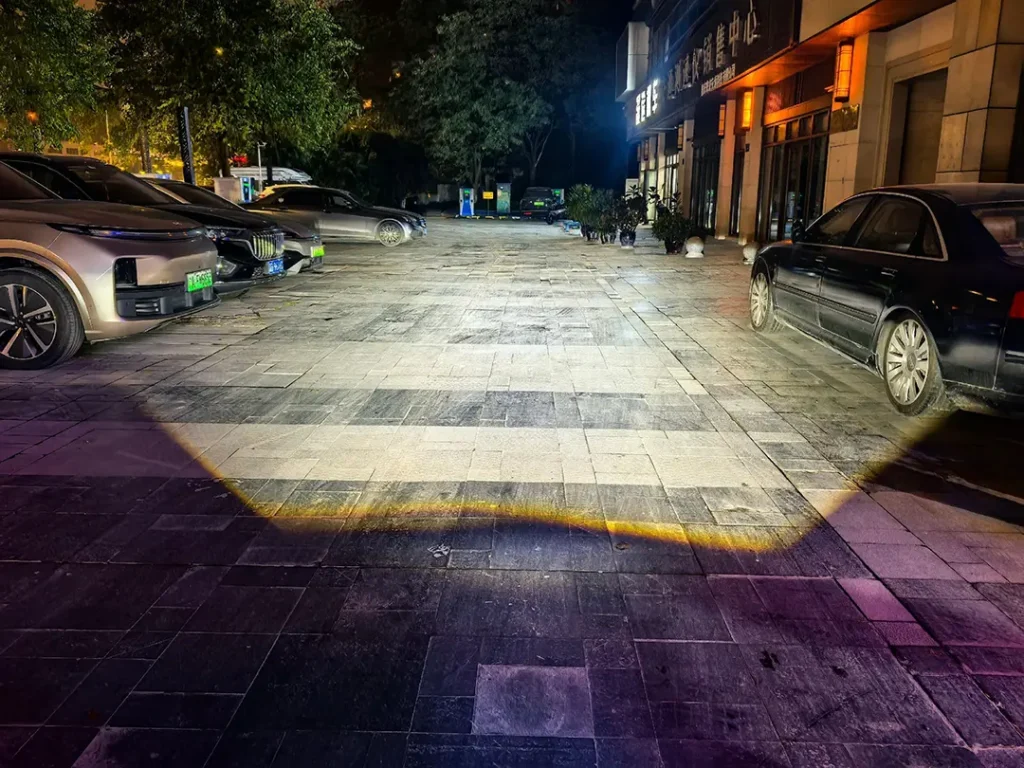
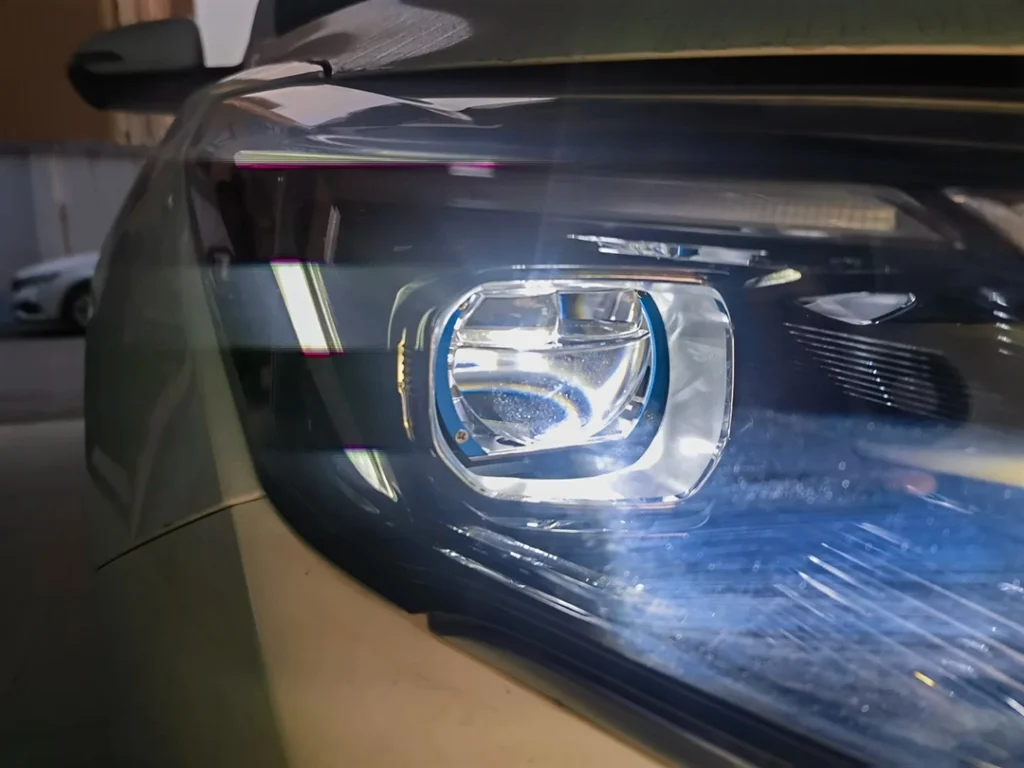
Projector lights (sometimes called “Projektorscheinwerfer” or “lens headlights”) use an optical lens to shape and focus the beam. They’re common in cars and increasingly popular on bikes because they can produce a cleaner cutoff line—meaning less glare for oncoming traffic when set up correctly.
What usually makes them legal (or not)
Legality varies by country, state, and even city, but enforcement typically revolves around these practical points:
- White light to the front: Most places require a weiß front light for bicycles at night and in low visibility.
- No blinding glare: Even if your light is technically allowed, a high-intensity beam aimed too high can be treated as unsafe.
- Secure mounting + steady output: A light that bounces around on rough roads can become a glare cannon.
- Reasonable brightness: “More” isn’t always “better” if it blinds drivers or other riders.
Projector-style bike lights are often more compatible with road use because a good projector optic can reduce upward spill. That said, some cheap “projector” products are just marketing, and some are so intense (or poorly aimed) they create the exact problem optics are supposed to solve.
The short, street-smart version
A projector bike light is usually fine if it’s white, aimed correctly, and not dazzling. The moment it becomes a hazard, you’ve entered the zone where legality and common sense overlap.
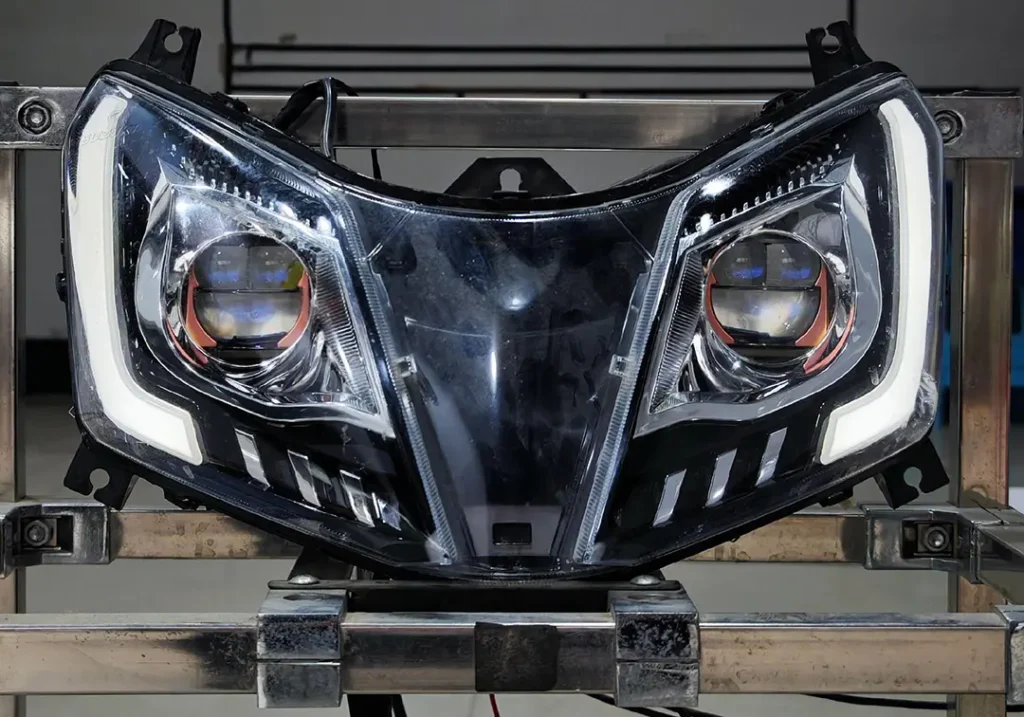
Which bikes have projector headlights?
Projector headlights show up on a few categories of bikes more than others, mostly because they cost more to integrate and they’re easiest to power when the bike already has a battery system.
1) E-bikes and speed pedelecs
Many higher-end commuter e-bikes use integrated front lights powered by the main battery. Some brands choose projector optics because:
- They can shape the beam for road use
- They look premium
- They provide strong illumination without wasting light into the sky
In places where e-bikes are treated more like mopeds (especially faster classes), manufacturers may spec better optics to meet local equipment expectations.
2) Dynamo commuter bikes (especially in Europe)
Dynamo systems (hub dynamos, typically) are popular for year-round commuting. Some of the best dynamo headlights use advanced lenses and cutoffs that function similarly to projector concepts—tight beam control, less glare, more “useful” light on the road.
3) Motorcycles (and motorcycle-styled builds)
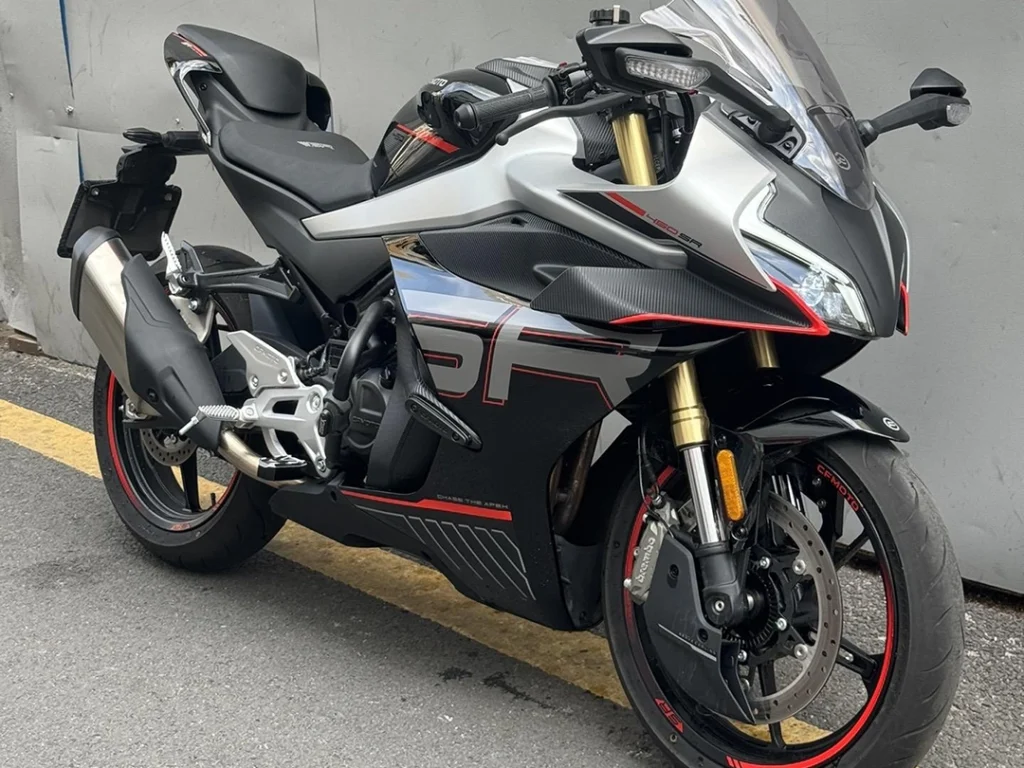
On motorcycles, projector headlights are common—particularly on newer models and sport bikes. That’s partly because motorcycle lighting regulations are more standardized and manufacturers engineer the beam pattern to match vehicle standards.
4) Aftermarket conversions (bicycles and motorcycles)
You’ll also see retrofit projector units and “mini projectors.” These are where things can get messy. A retrofit might look impressive but still be unsafe if:
- the beam pattern isn’t designed for your housing,
- the cutoff is poor,
- the mounting is unstable,
- or the Farbtemperatur is excessively blue (which can reduce clarity in rain and fog).
How many lumens for a bike headlight?
Lumens are the most advertised number and the least understood. Lumens measure total light output, but what you feel on the road depends heavily on Strahlform, aim, und how much light lands where you actually need it.
A practical lumen range (real-life riding)
Hier ist eine einfache Möglichkeit, darüber nachzudenken:
- 100–300 lumens: “Be seen” city riding on lit streets
- 300–600 lumens: Urban commuting with darker patches, parks, mixed lighting
- 600–1000 lumens: Unlit roads, faster riding, confident distance visibility
- 1000+ lumens: Off-road, high-speed descents, or very dark rural routes (but requires responsible aiming)
If you’re riding in traffic, beam control matters as much as raw lumens. A 600-lumen light with a clean cutoff can be more comfortable—and safer—than a 1500-lumen flood light that blinds everyone.
Why “too many lumens” can backfire
- Glare increases conflict: Drivers flash you, pedestrians complain, other cyclists hate you.
- Your own vision can suffer: Overly bright foreground light can reduce your ability to see further ahead (your eyes adapt to the nearest bright area).
- Battery life drops: More lumens usually means more heat and shorter runtime.
A good rule of thumb
Choose brightness for the darkest place you ride, then make sure the light has:
- a stable mount,
- a beam you can aim precisely,
- and multiple modes so you can dial it down when conditions don’t need full power.
Are LED lights allowed on bikes?
In most regions, LED lights are allowed on bikes—and they’re the dominant technology now for a reason: efficiency, durability, and brightness per watt. The legal constraints usually focus on Farbe, Sichtbarkeit, und flashing patterns, not on whether the diode is LED.
What matters more than “LED vs not”
- Front light color: typically weiß
- Rear light color: typically rot
- Side visibility: reflectors or side lighting may be required
- Flashing rules: some places allow flashing lights; some restrict flash rate or require a steady mode at night
If you’re unsure about local rules, the safe default setup is:
- steady white front light
- steady or pulsing red rear light
- reflective elements (tires, pedals, ankle bands, or frame reflectors)
Can I ride a bike at night without lights?
In practice and in law, riding at night without lights is a bad deal.
Legally: often prohibited
Many jurisdictions require at least:
- a white front light visible from a set distance, and
- a red rear light and/or reflector
Even where enforcement is inconsistent, the rule exists because night riding without lights makes you nearly invisible at the moments that matter—driveways, intersections, and turns.
Safety-wise: it’s not just about being seen
Lights do two jobs:
- Help others see you
- Help you see hazards (potholes, glass, road edges, animals, debris)
Streetlights don’t solve this. They create shadows, glare, and contrast that can hide exactly the kind of obstacle that ruins your night (and your front wheel).
The “minimum viable” night setup
- Front: a weiß light you can aim slightly down the road
- Rear: a rot light plus a reflector
- Bonus: reflective ankle bands (moving reflectors are incredibly effective)
Can I have red LED lights on my motorcycle?
This is where rules get stricter, because motorcycles are regulated as motor vehicles. The answer depends on wobei the red LEDs are and wie they function.
What is usually allowed
- Red to the rear: Rückleuchten und Bremsleuchten are red by design.
- Red accent lighting: Sometimes permitted if it’s not confused with emergency lighting and doesn’t violate “forward-facing red” rules.
What is often not allowed (or likely to attract attention)
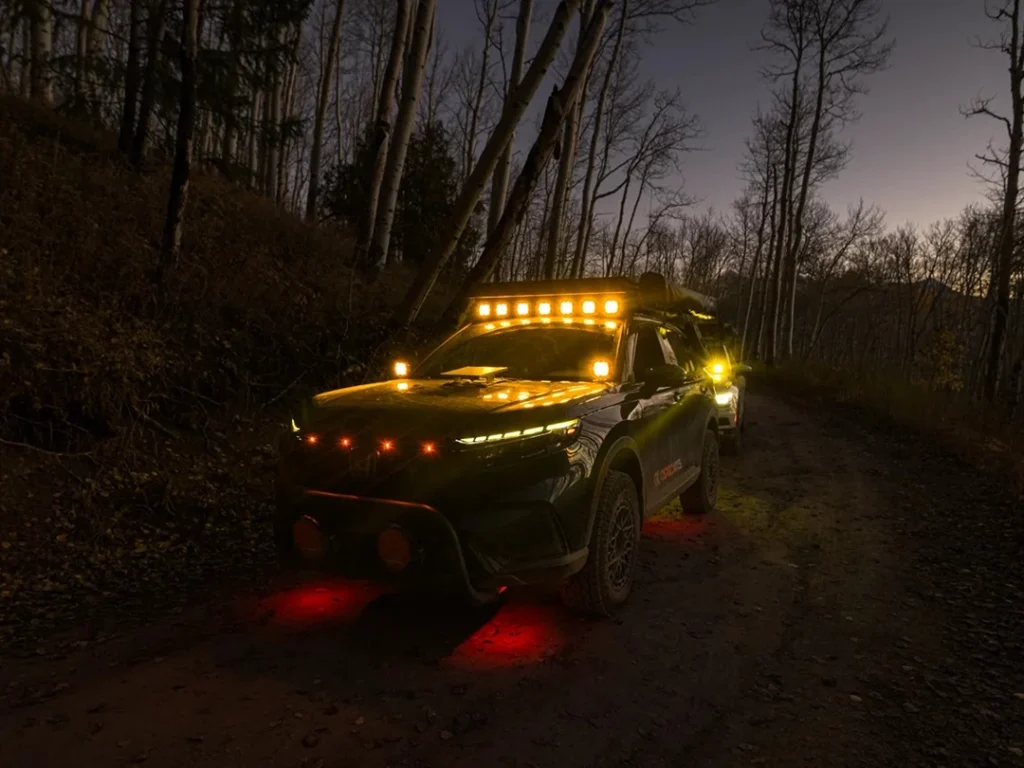
- Red lights facing forward: Many regions prohibit red forward-facing lights because red is reserved for the rear of vehicles (and can be mistaken for emergency signals or confuse traffic).
- Flashing red lights: Often restricted to emergency vehicles.
- Underglow in certain colors: Some places allow it, some ban it, many regulate when it can be on (for example, not while moving).
The practical guideline
On a motorcycle:
- Behalten Sie white/amber to the front (headlight/Blinker),
- Behalten Sie rot to the rear (tail/brake),
- Avoid anything that looks like law enforcement lighting (especially flashing patterns).
If your goal is visibility, amber side markers or well-aimed auxiliary white lights often improve safety without raising legal eyebrows.
Beam pattern, aim, and “projector vs reflector”: what actually changes your ride
People get fixated on projector headlines as if they’re automatically superior. They can be, but the truth is simpler: beam control beats beam brute force.
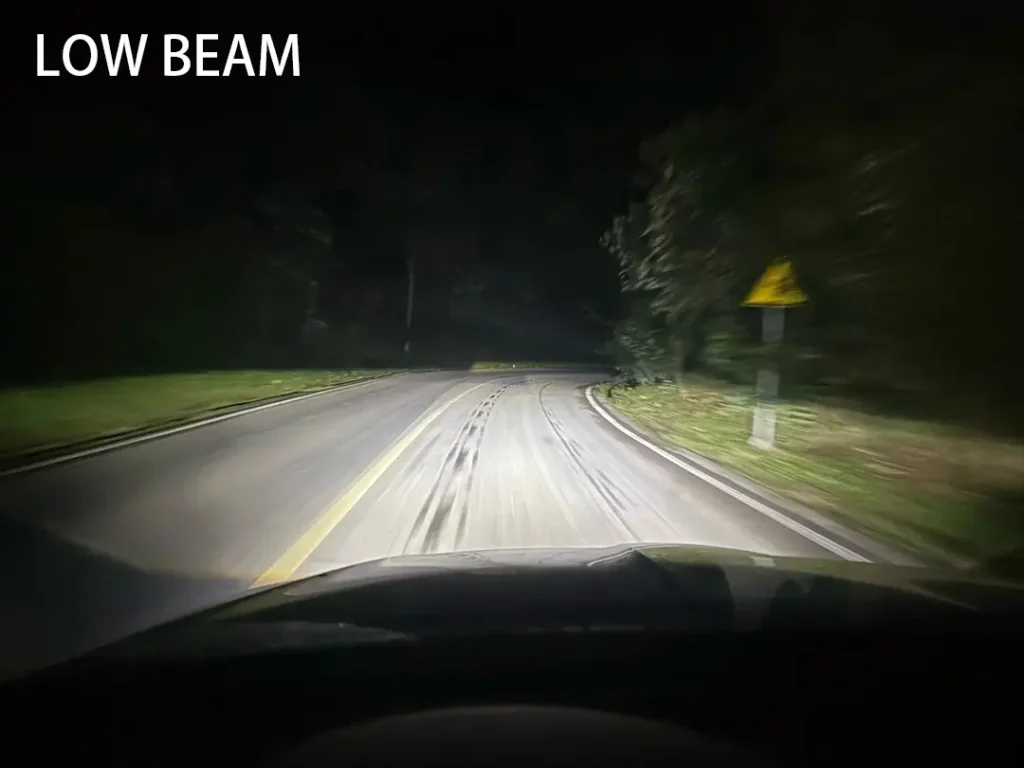
What a good beam pattern does
- Lights the road where you need it (20–40 meters ahead for typical cycling speeds)
- Avoids throwing excessive light into oncoming eyes
- Reduces “hot spots” and gives smoother illumination so your brain can read the road
Aiming: the unsexy secret to legality
Even the best light becomes a problem if it’s tilted too high.
A simple aiming habit:
- On flat ground, aim so the brightest part of the beam hits the road in front of you, not at windshield height.
- If people keep flashing you, don’t argue with physics—aim it down.
A simple, legal-friendly lighting checklist (bicycle + motorcycle)
Here’s a practical checklist that keeps you close to what most regulations expect, without drowning in legal jargon.
For bicycles
- Vorderseite: white light, steady mode preferred for night riding
- Rückseite: red light + reflector
- Side: reflectors or reflective clothing (often underrated)
- Helligkeit: choose based on darkness; don’t blind oncoming traffic
- Mount: stable, no wobble
For motorcycles
- Verwenden Sie DOT/E-mark compliant lighting where required
- Vermeiden Sie red forward-facing lights
- Vermeiden Sie flashing red/blue patterns
- Keep auxiliary lights aimed and wired properly (and not “always-on” if your laws restrict it)
Quick takeaways you can actually use
Getting your lighting right isn’t about winning a lumen contest—it’s about being seen clearly and not creating glare hazards.
- Are bike projector lights legal? Usually yes, if the light is white, aimed correctly, and not dazzling.
- Which bikes have projector headlights? Common on higher-end e-bikes, some dynamo commuters, and many motorcycles; also available aftermarket.
- How many lumens for a bike headlight? City: 300–600; darker roads: 600–1000; above that requires careful beam control and aim.
- Can I have red LED lights on my motorcycle? Generally fine to the rear; forward-facing red and flashing patterns are often illegal or risky.
- Can I ride a bike at night without lights? Often illegal and always unsafe.
- Are LED lights allowed on bikes? Yes—rules usually focus on color, visibility, and flash behavior, not LED tech itself.
 English
  Español
  Tiếng Việt
  ไทย
ไทย  العربية
  Русский
  Bahasa Melayu
  Français
  Deutsch
  हिन्दी