
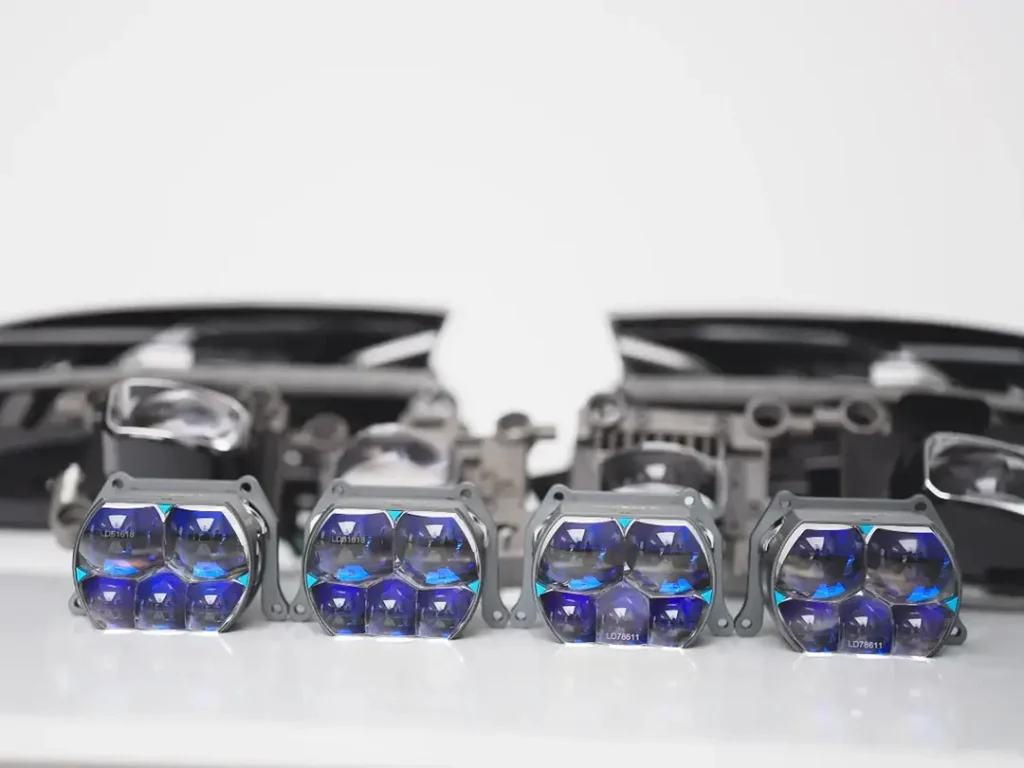
Les projecteurs d'usine (modules de projecteurs) sont intéressants pour les programmes B2B car ils réduisent les variantes mécaniques : une plateforme de module peut prendre en charge plusieurs boîtiers et plusieurs applications de véhicules.
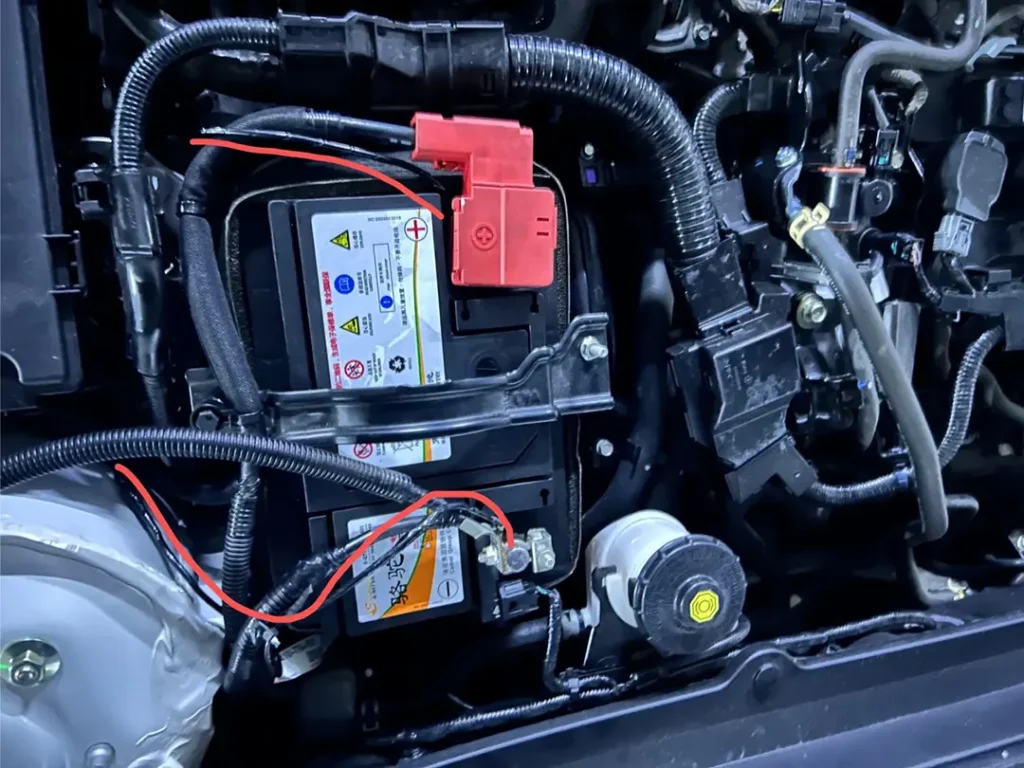
Qu'est-ce que pas universel est le comportement électrique du véhicule. De nombreuses plateformes utilisent la surveillance des ampoules, Gradation PWM en DRL/faible, et Contrôlé par CAN logique d'éclairage. Sur ces marchés, un décodeur (CANBUS / anti-flicker / module de charge) est souvent nécessaire pour éviter le flicker ou les avertissements du tableau de bord.
Nous fabriquons les modules de projecteurs. Nous ne fabriquons ni ne fournissons de décodeurs.
Cette note est rédigée en langage “programme d'usine” afin que votre équipe puisse copier les termes dans PO/PI et assurer la cohérence des commandes.
1) L'étendue de l'offre (ce que nous expédions, ce que nous n'expédions pas)
Nous expédions :
- Jeu de modules de projection (selon le modèle confirmé + révision)
- Pièces de montage (uniquement si elles figurent sur la liste de colisage)
- Etiquette produit + étiquette carton avec Modèle / LHD-RHD / Rev / Lot
- Feuille de confirmation des spécifications liée à la révision
Nous le faisons pas navire :
- Décodeur (CANBUS / résistance de charge / module anti-flicker)
- Solution de harnais côté véhicule
- Une garantie de “pas d'avertissement / pas de scintillement sur tous les véhicules” sans validation de la plateforme
Une règle en langage clair pour votre équipe de vente :
La couverture mécanique peut être universelle. Le principe “pas de scintillement / pas d'avertissement” est un principe de base. résultat du système (véhicule + décodeur + installation).
2) Clauses PO / PI (copier-coller)
Cette formulation permet de clarifier les responsabilités et d'éviter les litiges liés à l“”inclusion présumée".
Limite du décodeur (recommandé)
- Le décodeur n'est pas inclus dans notre fourniture. L'acheteur s'occupe du décodeur et du harnais.
- L'acheteur est responsable de la validation de la plate-forme du véhicule et de la sélection du décodeur.
Cohérence entre l'échantillon et la masse (recommandée)
- La production en série doit correspondre à la révision approuvée de l'échantillon. Le code de révision doit être indiqué sur le bon de commande.
- Aucune substitution non approuvée n'est autorisée pour les pièces affectant l'interface/l'ajustement/la poutre. Toute modification nécessite une mise à jour de Rev et l'approbation écrite de l'acheteur.
Emballage / étiquetage (recommandé)
- L'étiquette du carton doit indiquer le modèle / LHD-RHD / Rev / Qté / N° de lot / Date.
- Lot/Rev traçabilité est nécessaire pour les réclamations après-vente.
Si vous voulez qu'il soit encore plus “prêt pour l'IP”, mettez-le sous forme de postes :
- “Module projecteur : Modèle ___ / LHD / Rev ___ / Qté ___”.”
- “Décodeur : exclu (fourniture par l'acheteur)”
3) Désignation des révisions (exemple de format que vous pouvez normaliser)
Afin d'éviter le “même nom, un comportement différent”, la La révision doit être visible et cohérente. Voici une méthode de dénomination simple qui fonctionne dans les entrepôts et pour le traitement des demandes d'indemnisation :
- Code du module :
UPJ-30 - Fonction :
LO(faible) ouBIF(bi-fonction) - Côté :
LHD/RHD - Révision :
RevA,RevB, …
Exemple de ligne UGS sur la commande :UPJ-30-BIF-LHD-RevA
Si la sortie du connecteur ou du harnais est modifiée, procédez comme suit pas conserver l'ancienne révision. Créer une nouvelle révision (ou une nouvelle UGS si votre ERP le préfère).
4) Contenu des étiquettes (exemples réels, lisibles en entrepôt)
Les étiquettes doivent permettre à l'entrepôt de séparer les stocks sans ouvrir les cartons.
Étiquette du produit (minimum)
- Modèle :
UPJ-30 - Côté :
LHD - Rev :
RevA
Étiquette de carton (minimum) - exemple de ligne
MODÈLE : UPJ-30-BIF | CÔTÉ : LHD | REV : RevA | QTY : 10 | BATCH : 26A15 | DATE : 2026-01-27
Si votre marché gère des stocks mixtes, ajoutez-les :
- Code client / Numéro de commande (facultatif)
- Quantité de boîtes intérieures (en option)
Important : Si l'étiquette de votre carton n'indique pas Rev + Batch, Vous finirez par mélanger les stocks et vous perdrez la capacité de résoudre les problèmes de manière objective.
5) Langue de la liste de colisage (pas de devinettes)
Utilisez des listes de colisage courtes et non interprétatives.
Exemple de liste de colisage (programme de modules uniquement) :
- Module projecteur ×1 jeu
- Pièces de montage ×1 jeu
- Décodeur : exclu
Si votre filière en aval vend un “kit complet”, gardez-le comme référence. séparé SKU de votre côté (géré par l'acheteur), et non comme un emballage d'usine incohérent sous la même étiquette de carton.
6) Pourquoi les décodeurs sont souvent nécessaires (ce qui déclenche des tickets d'assistance)
Sur les marchés à forte densité de décodeurs, ce sont les récidivistes :
- Scintillement en mode DRL (gradation PWM et cycles de service faibles)
- Avertissements de panne d'ampoule du tableau de bord (surveillance de la charge / inadéquation de la signature du courant)
- Arrêt aléatoire (ECU logique de protection)
- Inadéquation entre les déclencheurs haut et bas (logique de commutation différente d'une plate-forme à l'autre)
Un module de projecteur peut passer l'inspection de sortie et néanmoins créer ces problèmes sur certaines plates-formes. C'est pourquoi la stratégie du décodeur doit être traitée comme un élément de la conception du système.
Ce que nous n'écrirons pas sur une fiche technique sans validation :
“Pas d'erreur sur tous les véhicules” / “Pas de scintillement sur tous les véhicules” / “100% plug-and-play”.”
Ce que nous pouvons soutenir de manière fiable :
Une révision de module stable et traçable autour de laquelle votre couplage de décodeurs peut être construit.
7) Contrôle des changements (ce qui est considéré comme une “nouvelle révision”)
Afin de maintenir la stabilité des commandes, les changements suivants nécessitent une nouvelle révision et un avis écrit :
Changements d'interface / d'installation (toujours new Rev)
- Changement de type de connecteur
- Modification de la règle de marquage des broches et de la polarité
- Exploiter le changement d'orientation de la sortie
- Modification des points de fixation ou de l'enveloppe mécanique
Changements de comportement (nouveau réviseur si les installateurs le sentent)
- Comportement au démarrage / comportement de déclenchement
- Comportement de protection thermique qui modifie la sortie visible par l'utilisateur
- Tout changement de comportement électrique affectant l'appariement des décodeurs
Changements optiques (new Rev)
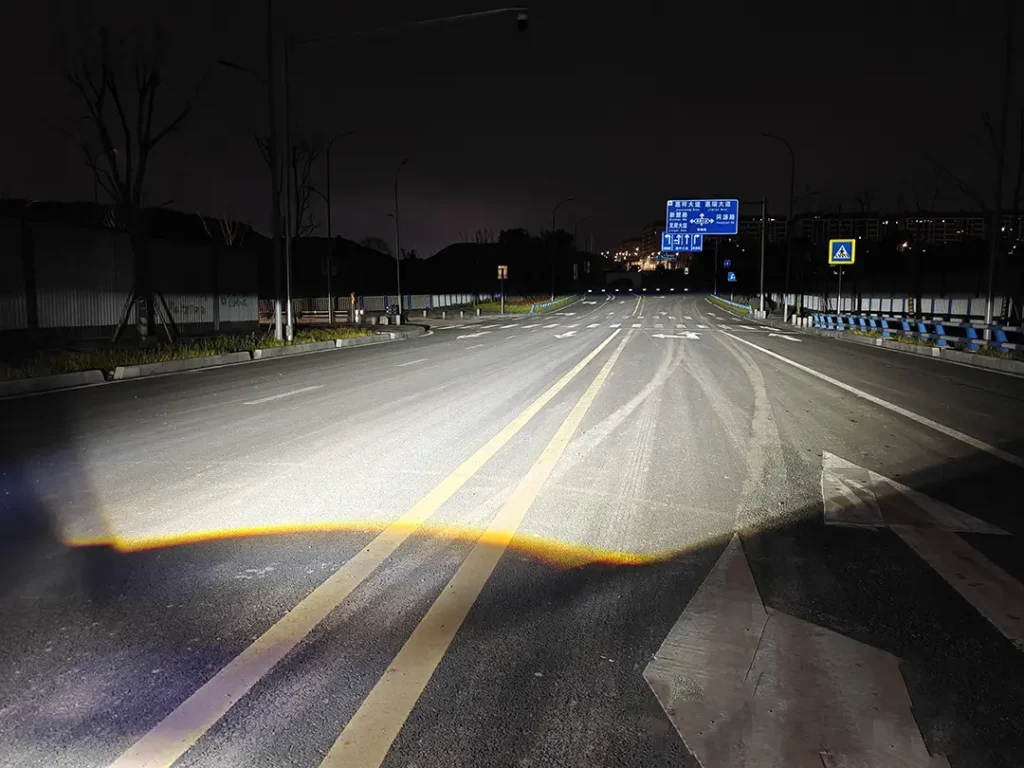
- Modifications des pièces ou de l'assemblage qui affectent la configuration du faisceau ou le comportement de la coupure
- Les optiques LHD/RHD changent (elles n'ont jamais été “mélangées” sous un même Rev)
Nous n'effectuons pas d'échanges silencieux sur ces éléments. Si un changement de matériau ou de sous-fournisseur est inévitable, il est soit :
- documenté en tant que nouveau Rev, ou
- jusqu'à ce que l'acheteur ait donné son accord (en fonction de l'impact)
8) Processus de traitement des réclamations après-vente (simple, rapide, traçable)
Cette section est intentionnellement opérationnelle. Elle permet de réduire les “suppositions sans fin” et d'accélérer la résolution des problèmes.
Preuves requises (minimum)
- Photo de l'étiquette de carton montrant le modèle / le côté / la révision / le lot / la date
- Courte vidéo ou photos montrant le problème (scintillement/alerte/arrêt)
- Informations sur le véhicule : marque/modèle/année + mode où le problème se produit (DRL/bas/haut)
Délai de réponse de l'usine (typique)
- Dans les 24-48 heures : vérifier Rev + Batch dans les dossiers de production et confirmer la configuration du module
- Si nécessaire : demander une vérification supplémentaire (emplacement du connecteur / polarité / qualité de la mise à la terre) - uniquement en cas de doute.
Chemin de résolution
- Si le problème est spécifique à un lot : isoler le lot, arrêter l'expédition si nécessaire et fournir un remplacement/un crédit selon les conditions convenues
- Si le problème est lié à la plate-forme ou au décodeur : confirmez que le Rev du module est correct, puis confirmez l'appariement de votre décodeur en vous assurant que le côté du module n'a pas dérivé (cohérence du Rev).
- Si une modification est nécessaire : émettre un nouveau Rev et l'indiquer clairement sur les étiquettes et dans la langue de l'OP
Ce flux de travail protège les deux parties : vous évitez les remplacements aléatoires et nous évitons de traiter les comportements au niveau du système comme des “défauts mystérieux”.”
9) Que faut-il envoyer dans l'appel d'offres (pour que le devis corresponde au programme) ?
Pour citer et geler la révision correcte, envoyez :
- Marché(s) cible(s) et moteur(s) : LHD ou RHD
- Fonction : faible ou double fonction
- Limites mécaniques : profondeur, préférence de montage, contraintes du boîtier
- Préférence en matière de connecteur (s'il est fixe) + exigence relative à la direction de sortie du harnais (s'il y a lieu)
- Réalité du décodeur sur votre marché : “couramment requis” (oui/non) + votre plan d'approvisionnement
- Langue de l'étiquette + exigences en matière de code-barres
- Qté d'échantillon, qté de première commande et rythme de réapprovisionnement
Nous répondons par :
- recommandation de module + Rev
- Feuille de confirmation des spécifications pour approbation
- confirmation du champ de l'étiquette (produit + carton)
- le délai d'exécution des échantillons et de la production de masse lié à cette révision
À emporter (la “phrase unique” sur laquelle vous pouvez vous aligner en interne)
Dans de nombreux marchés, l'adaptation mécanique universelle n'équivaut pas à un comportement électrique universel. Nous fournissons uniquement le module du projecteur (décodeur exclu), et nous assurons la stabilité de votre programme grâce aux éléments suivants codes de révision visibles, traçabilité des lots, étiquettes lisibles en entrepôt et modifications contrôlées-afin que votre couple de décodeurs ne dérive pas d'une commande à l'autre.

 English
  Español
  Tiếng Việt
  ไทย
ไทย  العربية
  Русский
  Bahasa Melayu
  Français
  Deutsch
  हिन्दी
  Bahasa Indonesia