
“We just need a good phare projecteur.”
That sentence has started more return cases than any technical defect ever did.
Because in B2B, “good” can mean three different things depending on who’s selling it:
- A distributor means: “It moves fast and doesn’t come back in boxes.”
- An installer chain means: “My bays can’t afford comebacks.”
- A brand seller means: “I need something customers can recognize and competitors can’t copy.”
Same category. Different definition of success. If you buy the wrong tier, you don’t just get the wrong product—you get the wrong consequences: dead stock, WhatsApp claim loops, price wars, and a support team living on voice notes.
This guide helps you choose between aftermarket phares projecteurs, custom projector headlights, phares projecteurs oem, et Factory projector headlights in a way that matches your channel and your support reality. No install steps. No supplier-audit lecture. Just buyer logic.
1) The quickest way to pick the wrong tier: promise one thing, sell into another channel
Here’s a pattern many buyers have lived:
“We sold it as ‘OEM feel’ on a price-war listing. Customers compared photos, expected perfection, and every tiny complaint became a return request.”
That’s not a “quality” story. That’s a promise-channel mismatch story.
Before you choose a tier, answer this uncomfortable but profitable question:
What is the most expensive failure for your business?
- Dead stock (too many variants, wrong fitment mix)
- Aftersales workload (your team becomes a troubleshooting desk)
- Channel conflict (two resellers undercut each other)
- Reputation damage (installer comebacks, B2B account loss)
Different channels make different failures expensive.

2) What the four keywords should mean in buyer terms (not dictionary terms)
You don’t need perfect definitions. You need usable buying meaning—what you can confidently promise.
Treat these as “promise labels”
- aftermarket projector headlights: built to sell fast and cover broad demand. You win on availability, price, and simplicity.
- custom projector headlights: built to look different and defend margin. You win on differentiation and channel separation.
- phares projecteurs oem: built to behave predictably in premium channels. You win on stability and confidence.
- Factory projector headlights: a supply route (direct coordination) that can support any promise tier—best when you have a recurring program and stable planning.
If you keep this “promise label” idea in your head, the rest becomes easier.
3) A real-world mini case: one story, three outcomes
A regional importer had three customer types:
- Wholesale resellers
- A small installer chain (4–6 bays total)
- One marketplace seller pushing volume
They tried to buy “one model for everyone.” The result was predictable:
- Wholesale resellers wanted cheaper and asked for more variants: “Can you add one more connector option?”
- Installer chain wanted fewer comebacks: “Don’t give me anything that triggers customers to argue about beam feel.”
- Marketplace seller wanted an angle: “My listing can’t look like the next 20 listings.”
Nobody was being unreasonable. The strategy was.
The fix: split by promise, not by endless variants
For wholesale and high-velocity marketplace listings, keep it simple and focus on fast movers (aftermarket projector headlights).
For installer chains, build a “no-drama” package around predictability and repeat installs (phares projecteurs oem).
For the marketplace seller who needs to escape price comparison, create a version that’s visibly theirs (custom projector headlights).
Same business. Three promises. Far less internal friction.
4) The 1-page internal alignment sheet (this kills returns before they happen)
Most B2B problems start inside your company: sales promises something ops can’t support. Do this before you even finalize a PO.
Internal alignment sheet (copy-paste)
A) Channel & expectation
- Channel: Wholesale / Installer chain / Marketplace / Premium retail
- What buyers really ask for: Cheapest / Unique / Stable / “OEM feel”
- Returns sensitivity: Low / Medium / High
B) Sales promise (write the exact sentence you’ll use)
- We will say: “__________”
- We will not say: “__________”
Example: “We will not say ‘OEM-grade’ on a budget listing.”
C) Support capacity (be honest)
- Support headcount: ___
- Pain threshold: if 2% of units generate tickets, we are: OK / Struggling / Dead
- Preferred resolution: credit note, reship, or repair (pick one as default)
D) SKU discipline
- Max SKUs in this program: ___
- Max cosmetic variants per best seller: 1–2
- Who can approve new variants: ___ (one owner, not a group chat)
If you can’t fill this sheet, don’t buy “premium.” Buy “simple.”
5) Tier-by-tier: how buyers use each one (and the rules that keep it profitable)
This is the practical part—what to choose based on your channel, plus the guardrails that stop chaos.
5.1 aftermarket projector headlights (velocity tier)
This tier wins when you need broad demand and quick turnover.
Meilleur pour
- distributors
- wholesale resellers
- marketplace sellers running a price/volume play
Guardrails
- Keep it tight: 3–6 core SKUs per region.
- Keep variants under control: no more than 1–2 cosmetic options per best seller.
- Stop “connector option creep”: if requests keep stacking, that’s not velocity anymore—route that customer to a differentiated program instead.
A buyer quote you’ll recognize:
“I don’t need ten versions. I need two versions that reorder cleanly.”
5.2 custom projector headlights (margin-defense tier)
Custom only pays off when it creates a moat. Otherwise it becomes expensive entertainment.
Meilleur pour
- brands
- exclusive importers
- marketplace leaders who must escape line-by-line comparisons
Guardrails
- Customize one signature customers can recognize in 3 seconds.
- Launch fewer, sell deeper: if you can’t forecast depth, don’t go custom.
- Define a channel boundary early (territory, channel, or version naming), or you’ll train the market for free.
A buyer quote you’ll recognize:
“I don’t need ‘custom.’ I need ‘not comparable.’”
5.3 oem projector headlights (predictability tier)
This tier is for channels where small problems become big noise.
Meilleur pour
- installer chains
- premium retailers
- reputation-sensitive accounts
Guardrails
- Keep SKU count low.
- Keep messaging conservative (overselling creates disputes).
- Match presentation to reality—avoid listing photo mismatch.
Installer chains often phrase it like this:
“I’m not chasing the lowest price. I’m chasing fewer comebacks.”
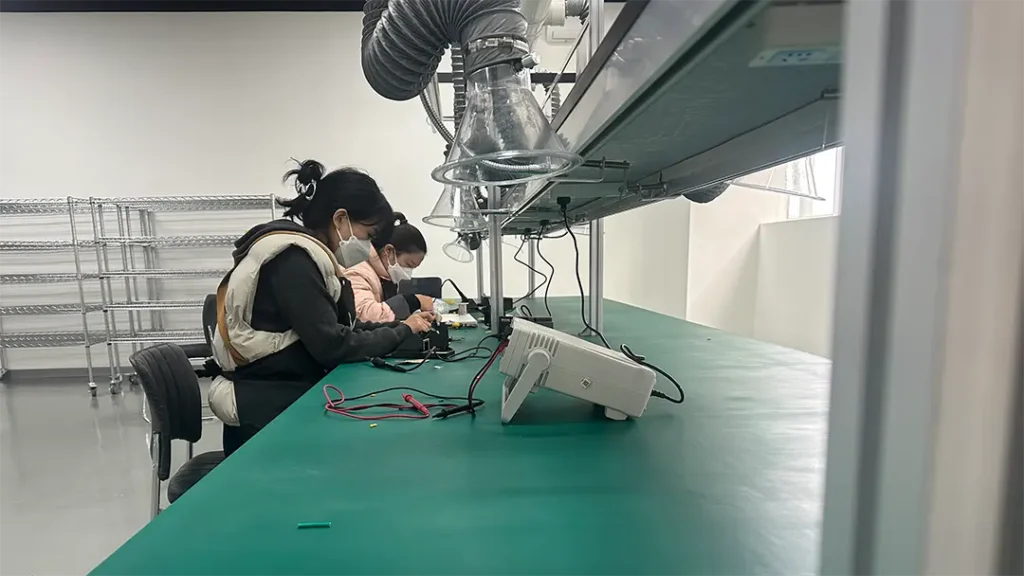
5.4 Factory projector headlights (a program route, not a magic tier)
Going direct can be great—when you’re running a program, not a one-off.
Meilleur pour
- recurring replenishment
- stable packaging/labeling/version control
- brands or importers who want tighter coordination
Guardrails
- If you change specs every week, direct supply will feel slower, not faster.
- Assign one internal owner. Direct programs die by “too many voices.”
What it sounds like:
“We’re not buying a shipment. We’re building a replenishment rhythm.”
6) Six mistakes that scream “future returns” (and how to dodge them)
These are buyer mistakes, not supplier sins.
- One SKU for all channels → channel conflict and mixed expectations
- Selling ‘OEM feel’ into a price-war listing → disputes explode
- Custom without a moat → you pay more but still get compared
- Variant creep via chat → dead stock and inconsistent feedback
- Overpromising brightness → subjective claims become arguments
- Assuming direct supply fixes strategy → direct supply amplifies whatever strategy you already have
Closing: pick the promise first, then pick the keyword
Don’t buy a label. Buy a promise you can actually support.
- Choose aftermarket projector headlights when you win on velocity and simplicity.
- Choose custom projector headlights when you need differentiation that protects margin.
- Choose phares projecteurs oem when predictability is the product.
- Utilisation Factory projector headlights as the program route when you’re ready for stable planning and long-term coordination.
That’s how your next shipment becomes reorders—not voice notes.

 English
  Spanish
  Vietnamese
  Thai
Thai  Arabic
  Russian
  Malay
Malay  French
  German
  Hindi
Hindi