
Driving in fog can quickly turn a normal trip into a stressful one. Visibility drops, distance becomes harder to judge, and even familiar roads can feel unfamiliar. In these conditions, many drivers ask the same questions: Do fog lamps really work? What is the difference between LED and fog lights? Can fog lights be brighter than headlights? Just as important, drivers also want to know how to use them safely.
In this guide, we’ll explain how fog lamps work, when to use them, whether you can use fog lights as headlights, and the most common mistakes people make while driving in fog.
Do fog lamps really work?
Yes, fog lamps really do work, but only when they are used in the right conditions and designed properly.
Fog lamps are built to help drivers see the road in fog, mist, snow, or heavy rain. Unlike standard headlights, fog lamps are mounted lower on the vehicle and produce a wide, low beam pattern. This design helps reduce glare caused when light reflects back from water droplets in the air.
Instead of trying to shine far ahead, fog lamps focus on:
- Illuminating the road surface directly in front of the vehicle
- Improving visibility of lane markings and road edges
- Reducing reflected glare in low-visibility weather
However, fog lamps are not magic lights. In extremely dense fog, even the best fog lamps have limits. They improve short-range visibility, but they cannot fully restore normal sight distance.
How fog lamps help in poor weather
Fog creates millions of tiny water droplets suspended in the air. When high or poorly directed light hits those droplets, the light scatters and bounces back toward the driver. This is why bright high beams often make visibility worse in fog.
Fog lamps are effective because they:
- Sit lower on the vehicle
- Aim light downward
- Spread light wide instead of far
- Reduce backscatter compared with high beams
That is why fog lamps can be useful in:
- Fog
- Mist
- Light snow
- Heavy rain
- Dusty or smoky road conditions
What is the difference between LED and fog lights?
This is one of the most common questions, and the answer is simple: LED and lampu kabut are not direct opposites.
A fog light describes the function of the lamp.
An LED describes the light source technology.
So a fog lamp can use different bulb or lighting technologies, including:
- Halogen
- HID
- LED
In other words, LED fog lights are fog lights that use LED technology.
Main difference
- Lampu kabut = a type of lamp designed for poor visibility conditions
- LED lights = a type of lighting technology used in many kinds of vehicle lamps
Benefits of LED fog lights
Compared with traditional halogen fog lamps, LED fog lights often offer:
- Faster response time
- Lower energy consumption
- Longer lifespan
- Cleaner white light
- More modern styling
Important note
Not all LED lights are automatically good fog lights. The real performance depends on:
- Beam pattern
- Lens design
- Mounting position
- Color temperature
- Overall lamp quality
A poorly designed LED fog lamp may still create glare and reduce visibility.
Can I use my fog lights as headlights?
No, you should not use fog lights as headlights.
Fog lights are designed as a supplementary lighting system, not a replacement for low-beam headlights. They do not project light far enough ahead for normal nighttime driving. Their job is to help with close-range road visibility in bad weather.
If you use fog lights alone instead of headlights, several problems can happen:
- You may not see far enough ahead to react safely
- Other drivers may not recognize your vehicle as clearly
- You may violate local road regulations
- Your overall nighttime visibility will be reduced
Fog lights work best when used together with low-beam headlights, not instead of them.
Can fog lights be brighter than headlights?
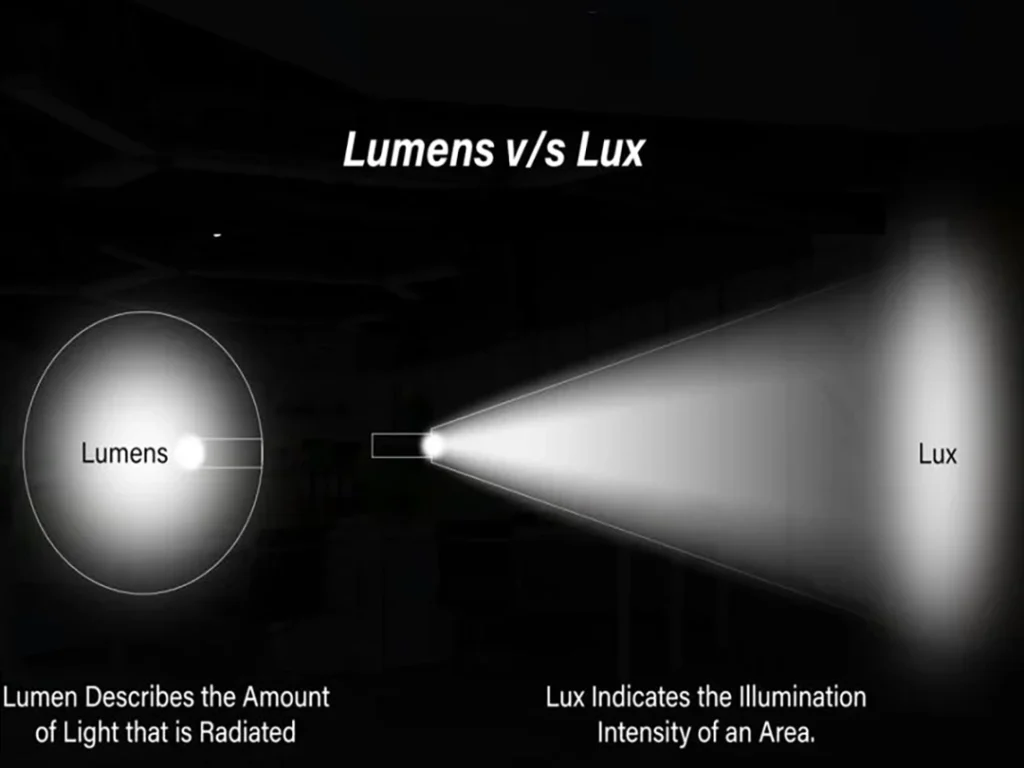
In raw output, some fog lights may seem very bright, but fog lights should not be used to outshine headlights.
Brightness alone does not determine effectiveness. What matters most is:
- Beam shape
- Aim
- Light distribution
- Color temperature
- Glare control
Headlights are designed to illuminate a longer driving distance. Fog lights are meant for shorter-range, low-mounted, wide-angle illumination. Even if a fog light appears bright, it does not mean it is better for general driving.
In fact, overly bright fog lights can create problems:
- More glare for oncoming traffic
- More reflection in fog or rain
- Reduced comfort for the driver
- Legal compliance issues
So while some fog lights may appear brighter in close range, they are not better substitutes for headlights.
What is the most common mistake while driving in the fog?
The most common mistake while driving in the fog is using high beams.
Many drivers think stronger light will help them see better, but in fog the opposite usually happens. High beams shine directly into suspended moisture, which reflects the light back into the driver’s eyes and creates a bright wall of glare.
Other common mistakes include:
- Driving too fast for the visibility level
- Following the car ahead too closely
- Relying only on daytime running lights
- Using hazard lights while moving, where not recommended
- Making sudden lane changes
- Not using low beams or fog lights properly
Best practice in fog
When visibility drops:
- Gunakan low-beam headlights
- Turn on fog lights if your vehicle has them
- Avoid high beams
- Maintain a safe following distance
- Watch road markings carefully
Should you slow down when driving in fog?
Yes, you should always slow down when driving in fog.
Reduced visibility means you have less time to detect hazards, judge distance, and react. Even if the road feels familiar, fog can hide:
- Slower vehicles
- Sharp curves
- Pedestrians
- Animals
- Stopped traffic
- Road debris
Slowing down gives you:
- More reaction time
- More stopping distance
- Better vehicle control
- Greater ability to respond to unexpected hazards
You should also increase following distance and avoid abrupt braking whenever possible.
Is it harder to see in fog at night?
Yes, it is usually harder to see in fog at night.
At night, fog becomes even more difficult because:
- There is less ambient light
- Contrast is lower
- Oncoming lights can create strong glare
- Reflections from wet roads can reduce clarity
- Depth perception becomes weaker
This is one reason why correct lighting matters so much. Using low beams and properly aimed fog lamps can help, but drivers still need to reduce speed and stay alert.
When should you use fog lights?
Use fog lights when visibility is seriously reduced by:
- Fog
- Heavy rain
- Snow
- Mist
If conditions improve, turn them off. In clear weather, fog lights are usually unnecessary and may create glare for other drivers.
Tips for safer driving in fog
Here are a few practical safety tips for foggy conditions:
1. Use low beams, not high beams
Low beams reduce glare and help you see the road better in front of your vehicle.
2. Use fog lamps correctly
Fog lamps can improve short-distance visibility when weather conditions justify them.
3. Reduce speed
Always drive at a speed that matches your visibility.
4. Keep more distance
Leave extra space between your vehicle and the car ahead.
5. Follow road markings
Lane lines and roadside reflectors can help guide you when visibility is poor.
6. Keep your windshield clean
A dirty windshield increases glare and makes fog driving even harder.
7. Stay calm and avoid sudden moves
Smooth steering, braking, and acceleration are especially important in low-visibility conditions.
Final thoughts
So, do fog lamps really work? Yes, they do — when they are used properly and in the right weather. They are designed to improve near-road visibility in fog, rain, mist, and snow, but they are not replacements for headlights.
It is also important to understand that LED and fog lights are not the same thing. LED refers to lighting technology, while fog lights refer to a specific lamp purpose. And while fog lights can appear bright, they should never be treated as a substitute for headlights during normal night driving.
Most importantly, the safest approach in fog is simple:
- Use low beams
- Use fog lights when needed
- Slow down
- Avoid high beams
- Stay alert
If you do that, you’ll give yourself a much better chance of driving safely when visibility drops.
 English
  Español
  Tiếng Việt
  ไทย
ไทย  العربية
  Русский
  Bahasa Melayu
  Français
  Deutsch
  हिन्दी
  Bahasa Indonesia