
Aftermarket DRLs can be a tidy upgrade—if they behave like factory lights. The goal is simple: DRLs should turn on when the car is running, and they should dim or turn off when your headlights come on. Most “DRL problems” people complain about (flicker, battery drain, warning lights, messy wiring) come from skipping the basics: a fused feed, a good tanah, and a proper trigger signal.
This walkthrough explains how to hook up daytime running lights in a way that works on most cars, whether your kit is a simple two-wire strip or a DRL controller with dimming.
How to hook up daytime running lights: plan the behavior before the wiring
Before you touch a wire, decide how you want the DRLs to behave:
Recommended behavior (OEM-like)
- Ignition ON / engine running → DRLs ON
- Parking lights atau low beams ON → DRLs DIM or OFF
- Ignition OFF → DRLs OFF (no battery drain)
Some kits advertise fancy modes (welcome animations, sequential effects). Those are optional. Reliable behavior is not.
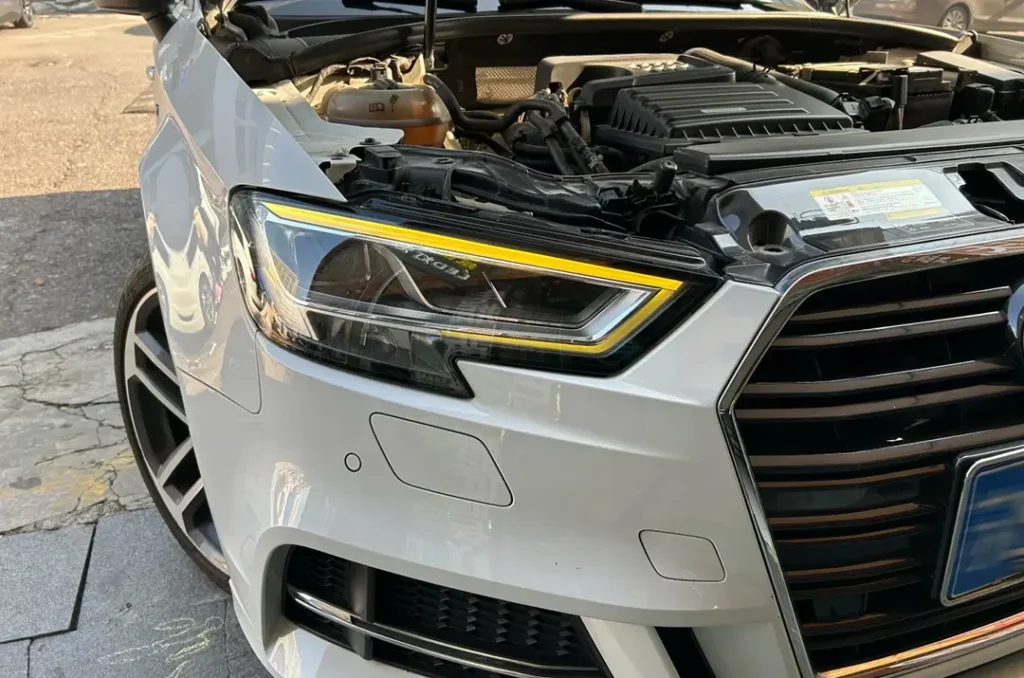
Tools and parts (what actually makes the install reliable)
You can do a neat job without fancy equipment, but a few items change the outcome dramatically:
- Multimeter (or a good test light)
- Add-a-sekering (fuse tap) for your fuse box type (mini/low-profile/etc.)
- Inline fuse holder (if you’re not using a fuse tap)
- Heat shrink + proper crimps (or solder + heat shrink if you’re skilled)
- Split loom and zip ties for protection
- Relay (recommended if the kit draws more than a tiny amount)
A roll of cheap electrical tape is not a wiring strategy.
Step-by-step: how to hook up daytime running lights the clean way
There are different wiring layouts, but the cleanest general approach is:
fused ignition power + solid ground + headlight trigger for dim/off behavior.
Step 1: Mount the DRLs correctly (this matters more than people admit)
- Mount symmetrically and level.
- Avoid placing them where water jets directly during rain.
- Keep space for heat to escape (especially behind sealed bumper sections).
- Route the wire away from sharp edges and hot parts.
Bad mounting causes early failure that looks like an “electrical issue.”
Step 2: Find an ignition-switched power source
You need a circuit that is ON only when the car is in ACC/IGN (or running). The fuse box is usually the cleanest place.
Good candidates (varies by vehicle):
- accessory socket (ACC)
- wipers
- blower fan (sometimes noisy electrically—test if your kit is sensitive)
Avoid:
- constant battery feeds (DRLs may stay on and drain the battery)
- critical safety circuits you shouldn’t tap
Gunakan multimeter:
- Key OFF: should read 0V
- Key ON: should read ~12V–14V
Then connect using an add-a-fuse and select a proper fuse rating for the DRL kit (follow the kit spec; don’t oversize).
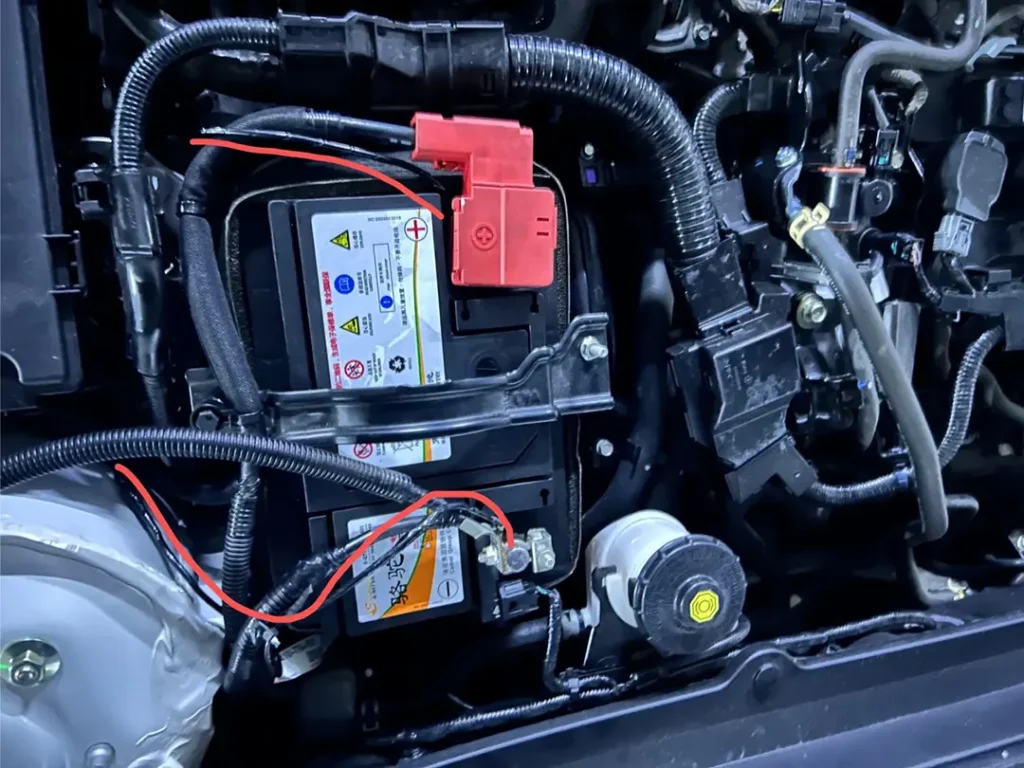
Step 3: Ground it like you mean it
A weak ground is a top cause of flicker.
- Use a factory chassis bolt on bare metal.
- Scrape paint if needed.
- Tighten firmly.
- Apply a little dielectric grease if the area is exposed to moisture.
If your DRLs “work but randomly flicker,” assume ground first until proven otherwise.
Step 4: Connect the headlight/parking trigger (for dimming or shutoff)
Most DRL kits include a thin trigger wire. Its job is to detect when you turn on:
- parking lights, or
- low beams
When that circuit goes live, the DRL controller either dims the DRLs or turns them off (depends on kit design).
Use your multimeter to find a wire that becomes +12V when parking/low beams are on. Don’t guess by color—wire colors can change across trims and years.
Step 5: Use a relay if your kit draws real current
If your DRLs are more than a small LED strip (or if you’re powering multiple accessories), use a relay so the trigger wire doesn’t carry load.
Basic logic:
- Trigger signal energizes relay coil
- Relay supplies fused +12V directly to DRLs
This reduces voltage drop and keeps your car’s original wiring happier.
Daytime running lights replacement: what to check after installation (so you don’t redo the job)
Even if you wired things correctly, a few issues show up after a week or two—usually because of water, heat, or vibration.
After driving in rain or after a car wash, check:
- connectors still tight and dry,
- no moisture trapped in the DRL housing (if the kit is enclosed),
- wiring hasn’t rubbed through insulation,
- DRLs still dim/off correctly when headlights are on.
If you see intermittent failure, don’t immediately replace the lights. Most early “failures” are connector or ground problems that masquerade as dead LEDs.
Common mistakes (the stuff that causes flicker, battery drain, and weird electrical behavior)
Mistake 1: Tapping constant power by accident
Result: DRLs stay on after the car is off, draining the battery.
Fix: move the power feed to a verified ignition-switched fuse.
Mistake 2: No fuse on the new power feed
Result: risk of melted wires or worse if a short happens.
Fix: fuse the feed close to the source.
Mistake 3: Poor ground
Result: flicker, dim output, or random shutoff.
Fix: relocate ground to clean chassis metal.
Mistake 4: Using the wrong trigger wire
Result: DRLs dim at weird times, or backfeed causes odd behavior.
Fix: trigger from parking/low-beam circuit verified by multimeter.
Mistake 5: Ignoring waterproofing
Result: corrosion, intermittent faults, “one side out.”
Fix: sealed connectors + heat shrink + sensible wire routing.
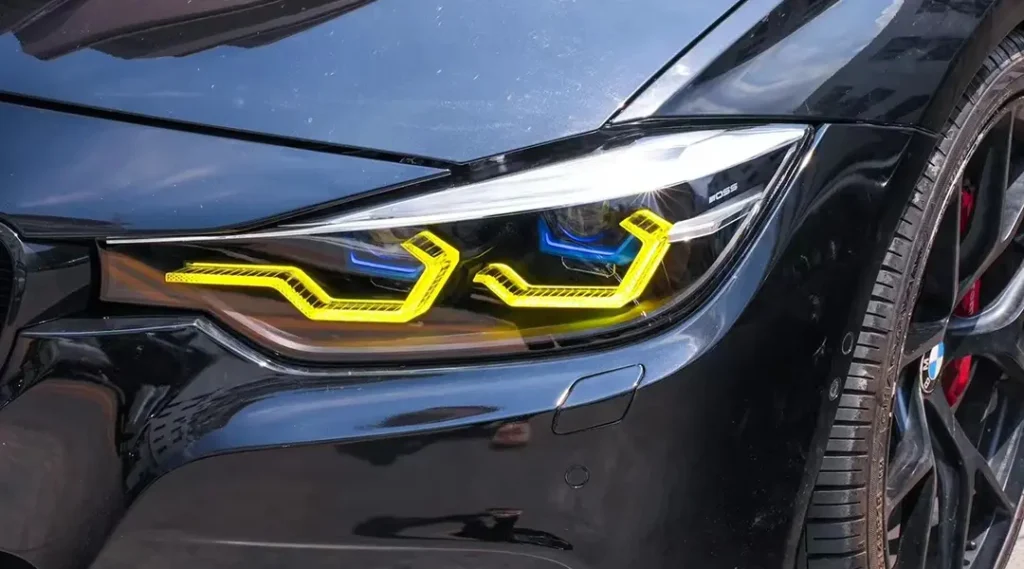
Rear daytime running lights: should you wire the rear too?
If you’re thinking of adding rear illumination for daytime, be careful: regulations vary widely, and “rear DRLs” are not universally legal or expected behavior.
A safer, more standard approach is:
- keep DRLs front-only,
- ensure your AUTO lights work properly,
- use low beams in poor visibility so tail lights are on.
If you do wire rear illumination, treat it like tail/position lights, not a bright rear-facing DRL strip.
Practical takeaway
- The clean answer to how to hook up daytime running lights is: ignition-switched fused power + solid ground + headlight/parking trigger for dim/off.
- Most problems aren’t the LEDs—they’re wiring shortcuts.
- If something fails after installation, diagnose connectors/ground/fuse before assuming you need daytime running lights replacement.
 English
  Español
  Tiếng Việt
  ไทย
ไทย  العربية
  Русский
  Bahasa Melayu
  Français
  Deutsch
  हिन्दी
  Bahasa Indonesia