
Saya menyedarinya dengan cara bodoh: melalui ingatan otot.
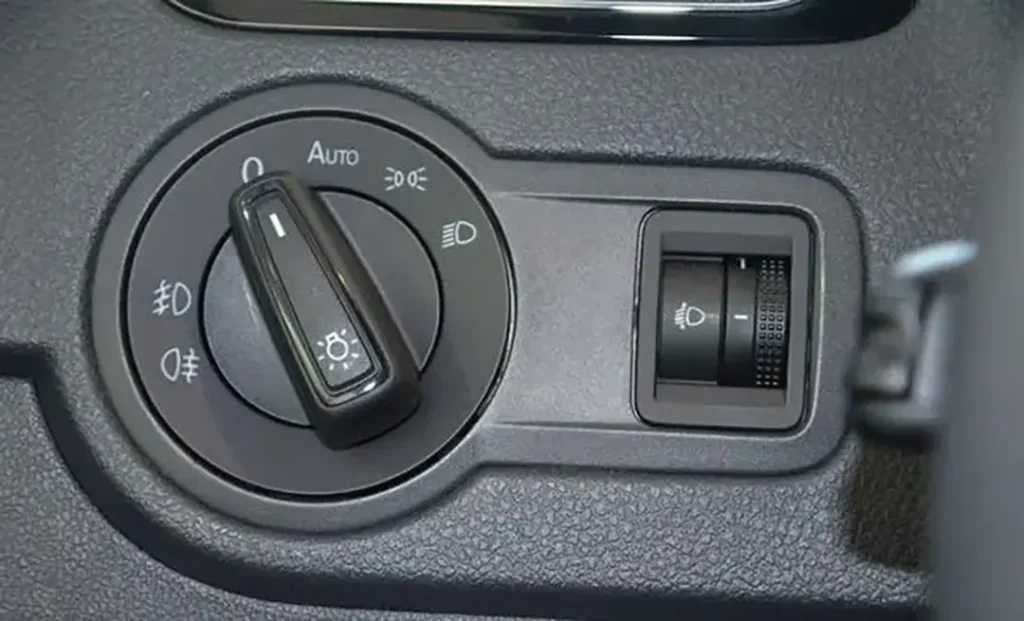
Pagi musim sejuk, kabus nipis menghampiri kawasan rendah di jalan gunung. Saya mencondongkan tangan ke bawah untuk mencari suis lampu kabus hadapan—gerakan yang sama seperti bertahun-tahun lalu—namun hanya tersentuh pelapik kemas yang licin. Tiada cincin tambahan pada pemegang suis. Tiada butang tersembunyi di papan pemuka. Tiada ikon hijau kecil menanti untuk menyala.
Kereta baru saya tidak “lupa” bahagian hadapan lampu kabus. Ia sememangnya tidak mempercayai mereka.
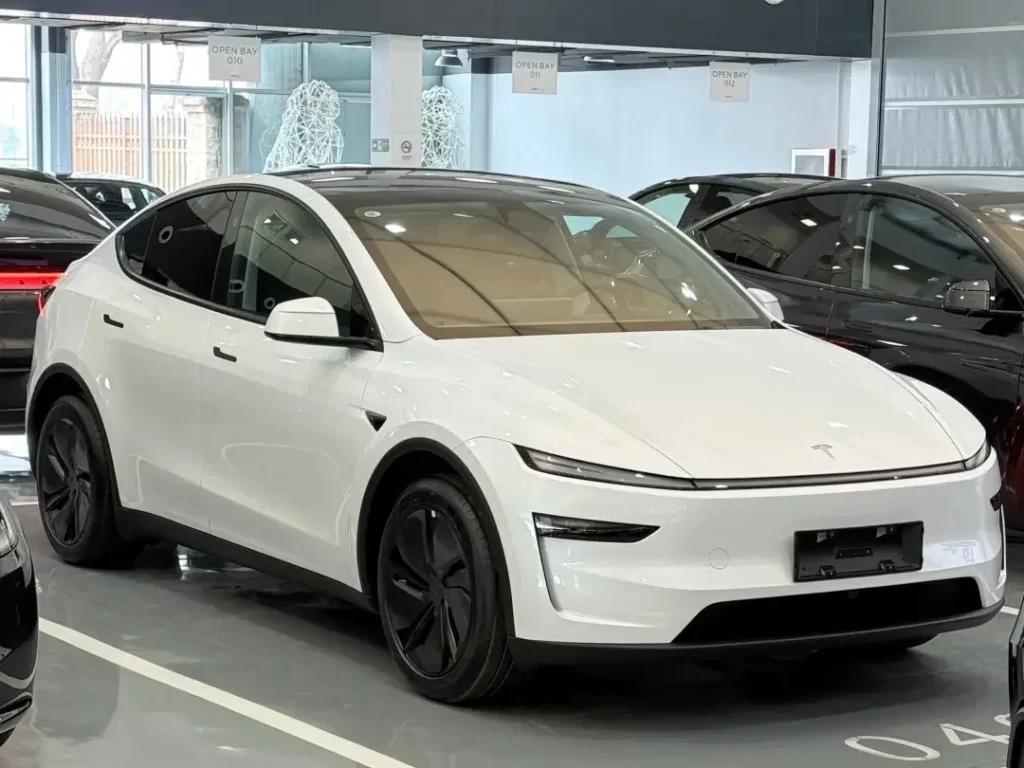
Jika anda baru-baru ini berjalan mengelilingi kereta baharu, anda mungkin telah melihat perkara yang sama. Bumper bawah dulu ada dua “mata” yang bermaksud. Kini ia sering menjadi satu helaian rata: plastik tanpa gangguan, mungkin sisipan berkilat, kadang-kadang ventilasi palsu di tempat lampu dulu berada. Ia berlaku pada kereta murah, kereta mahal, kenderaan elektrik, SUV—di mana-mana. Dan bukan hanya satu jenama yang cuba bijak. Ia adalah peralihan lebih meluas dalam cara pengeluar memutuskan apa yang kekal dan apa yang dipotong.
Ini bukan panduan cara melakukannya, dan ini bukan ajakan untuk “beli kit ini”. Ini adalah pemeriksaan realiti tahun 2026: Lampu kabus hadapan semakin jarang digunakan kerana insentif industri telah berubah—dan kerana teknologi lampu utama telah menjadi cukup baik sehingga kebanyakan pembeli tidak membantah. Bahagian terakhir—bahagian “pembeli terbanyak”—ialah di mana perdebatan keselamatan menjadi menarik.
Mengapa Lampu kabus Sedang Dihapuskan: Sebab-sebab Membosankan yang Menggerakkan Jutaan Kereta
Ada cerita romantik yang orang ceritakan: “Para pereka mahukan penampilan yang lebih kemas, jadi lampu kabus pun pupus.” Itu versi brosur. Cerita sebenar kurang glamor dan lebih meyakinkan, kerana ia terserlah dalam bilik mesyuarat dan helaian kos.
1) Lampu kabus bukan “dua mentol.” Ia adalah rantai bahagian dan janji-janji.
Dari luar, lampu kabus kelihatan ringkas. Di dalam program kenderaan, ia adalah ekosistem kecil:
- dua modul lampu (kiri/kanan)
- kelengkeng, pengikat, dan ciri penjajaran
- acuan bampar yang memerlukan bukaan atau trim yang berbeza
- pemasangan wayar, cabang, klip dan penyambung yang diletakkan rendah di zon basah
- jalur kawalan tambahan (logik suis, perisian, tingkah laku diagnostik)
- pengesahan tambahan (kebocoran air, getaran, pendedahan terma, EMC)
- Satu lagi perkara yang boleh disasarkan salah oleh pengedar selepas pembaikan bampar.
Padamkan lampu kabus dan anda tidak hanya menyingkirkan perkakasan. Anda menyingkirkan varian. Anda membuang langkah-langkah pemasangan. Anda membuang mod kegagalan yang muncul dalam laporan jaminan sebagai “kondensasi,” “silih berganti,” atau “satu sisi terkeluar.”
Pada satu kereta, penjimatan kelihatan kecil. Pada 300,000 kereta, ia menjadi satu baris perbelanjaan yang cukup besar untuk menarik perhatian.
2) “Reka bentuk minimalis” adalah nyata—tetapi ia juga memudahkan pembuatan
Ya, pembeli suka bahagian hadapan yang bersih. Tetapi “bersih” juga bermaksud:
- kurang garis potongan dan kurang bahagian untuk dipasang
- kurang pengumpulan toleransi di kawasan bampar
- kurang aduan tentang jurang tidak sekata di sekitar bingkai
- kurang kaca di kawasan rendah yang menjadi kabur atau berlubang akibat kotoran jalan
Reka bentuk dan pembuatan akhirnya bergerak ke arah yang sama. Itulah sebabnya lampu kabus semakin hilang walaupun di tempat di mana tiada siapa meminta ia hilang.
3) Pilihan mengikut undang-undang biasanya menjadi pilihan secara lalai
Di banyak pasaran, peraturan mengenai lampu yang mesti wujud. Lampu kabus depan sering tergolong dalam kategori “elemen yang bagus untuk dimiliki”. Setelah sesuatu tidak diwajibkan, ia dinilai seperti mana-mana ciri lain:
- Adakah ia membantu menjual kereta dalam segmen ini?
- Adakah ia mengurangkan aduan atau meningkatkannya?
- Adakah ia menimbulkan kos dan kerumitan yang lebih baik kami belanjakan di tempat lain?
Jika jawapan-jawapan itu tidak membenarkan ciri tersebut, ia bergerak dari “standard” ke “trim lebih tinggi,” kemudian ke “paket,” kemudian ke “hilang.”
Ke Mana Pergi Wang Yang Dihemat (Spoiler: Ke Dalam Perkara Yang Anda Perhatikan Setiap Hari)
Apabila orang berkata “mereka membuang lampu kabus untuk menjimatkan wang,” mereka membayangkan seorang pengeluar menyeludup beberapa dolar ke dalam poketnya sambil ketawa. Hakikatnya lebih biasa: perancang produk sentiasa menukar satu set kos dengan set kos yang lain.
Lampu kabus adalah ciri yang mungkin anda gunakan beberapa kali setahun (atau tidak pernah). Bajet yang sama boleh membiayai perkara yang anda lihat dan sentuh setiap hari:
- skrin tengah yang lebih besar
- lebih banyak kamera atau penderia parkir
- stereng yang lebih cantik
- perkakasan pengecasan pantas pada kenderaan elektrik
- lubang pengudaraan tambahan, port USB tambahan, pencahayaan sekeliling yang lebih baik
Ciri-ciri itu kelihatan menarik dalam gambar. Lampu kabus tidak. Itu bukan hujah moral—ia adalah penjelasan tentang apa yang laris di bilik pameran.
Dan kemudian ada bahagian yang tidak selesa: ramai pemilik tidak tahu di mana kawalan lampu kabus berada, terutamanya apabila kawalan dipindahkan ke dalam menu. Ciri yang tidak digunakan orang adalah ciri yang tidak akan dipertahankan apabila ia hilang.
Penyebab Utama pada tahun 2026: Lampu utama semakin maju, dan lampu kabus kehilangan monopoli mereka
Paling penting bukanlah gaya. Ia adalah lampu hadapan moden boleh melakukan tugas yang dahulunya memerlukan lampu tambahan.
Sepuluh tahun lalu, banyak kereta arus perdana menggunakan sistem halogen yang kelihatan memuaskan pada malam yang cerah tetapi menjadi kabur dalam kabus basah. Jika lampu rendah anda lemah atau tersebar, lampu kabus khusus boleh dianggap peningkatan yang wajar ketika cuaca buruk.
Pada tahun 2026, garis dasar berbeza:
- Sinar lampu rendah LED adalah perkara biasa walaupun pada varian pertengahan.
- Optik lebih ketat dan terkawal.
- Perisian boleh membentuk pengagihan dan mengurus silau dengan lebih baik.
- Konsistensinya lebih tinggi (kurang “hari ini kelihatan cerah, esok tidak”)
Jadi, untuk banyak pemanduan di dunia sebenar—kabus ringan, kabus hujan, jalan basah—sinar lampu rendah yang baik merangkumi kawasan yang cukup sehingga pemandu tidak merindui lampu kabus hadapan.
Itu tidak bermakna lampu kabus tidak berguna. Ia bermaksud sistem lampu utama telah menjadi instrumen pencahayaan utama, dan segala-galanya yang lain kini dianggap sebagai pencahayaan sekunder.
Ini juga sebabnya perbincangan mengenai Lampu kabus LED untuk kereta telah berubah. Ia tidak lagi “kabus LED vs kabus halogen.” Ia adalah “Adakah saya mahu lapisan pencahayaan tambahan sama sekali, memandangkan apa yang lampu utama saya sudah lakukan?”
Itu adalah soalan yang sangat berbeza berbanding pada tahun 2015.
Bahagian yang Dilangkau Orang: Menghapus Lampu Kabus Juga Menghapus Satu Lapisan Pengurangan kakitangan
Di sinilah saya berhenti kedengaran seperti perancang produk dan mula kedengaran seperti pemandu yang telah menghabiskan terlalu banyak pagi dalam cuaca yang tidak menentu.
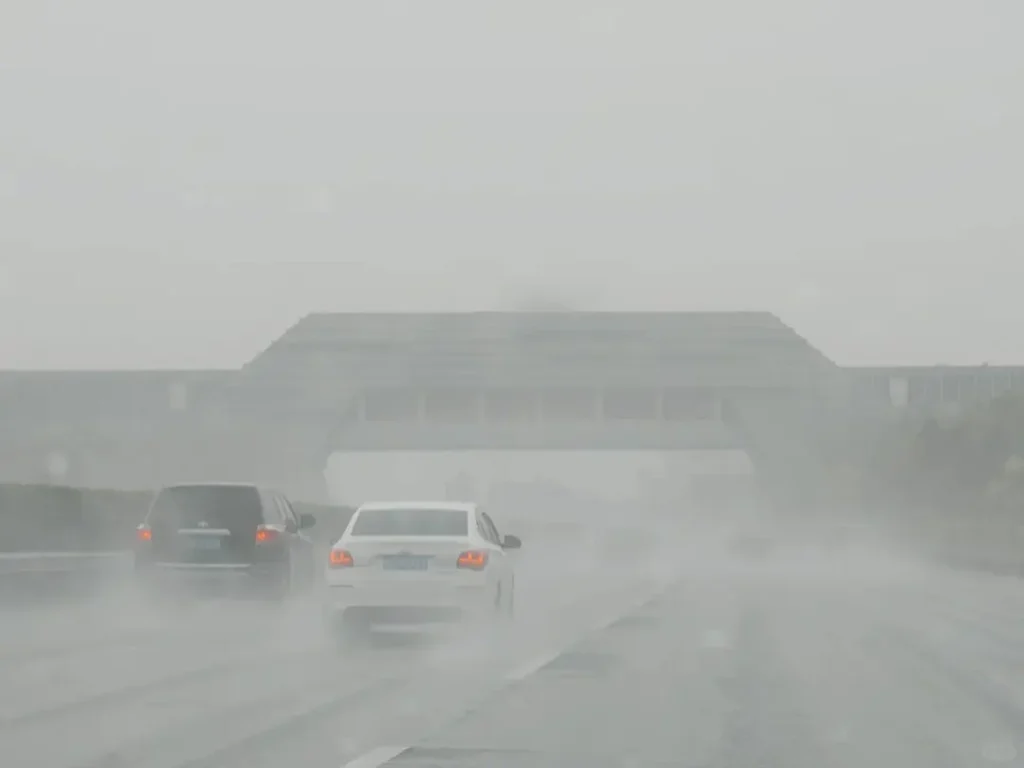
Lampu kabus hadapan tidak pernah menjadi keperluan harian. Ia adalah pilihan sekunder. Satu sistem kecil yang berasingan yang boleh menambah petunjuk jarak dekat apabila dunia menjadi berkontras rendah dan menjengkelkan.
Apabila pengeluar membuang lampu kabus hadapan, tajuk utamanya ialah “reka bentuk bersih” dan “lampu utama LED canggih.” Perubahan tersembunyi ialah bahawa anda kini mempunyai satu lapisan pencahayaan bebas yang kurang.
Bila itu menjadi penting?
Bukan dalam keadaan biasa yang “sedikit berkabus”. Dalam keadaan seperti itu, lampu utama moden biasanya berfungsi dengan baik.
Ia penting dalam kes sempadan—momen-momen yang kemudian muncul sebagai sebuah cerita:
- Kabus tiba-tiba berkumpul di lembah.
- sembur di belakang lori-lori yang membentuk tirai kelabu bergerak
- sebuah jalan dengan tanda yang lemah di mana anda menjejaki tepi lebih daripada jarak
- bahagian sejauh setengah kilometer itu di mana mata anda terasa seperti bekerja lebih masa
Saya tidak mendakwa lampu kabus adalah butang ajaib. Ia bukan. Tetapi redundansi tidak perlu bersifat ajaib untuk menjadi bernilai. Ia hanya perlu memberi anda sedikit maklumat tambahan apabila maklumat terhad.
Dan itulah persoalan yang lebih mendalam di sebalik trend 2026:
Adakah kita selesa memadam margin keselamatan berfrekuensi rendah kerana kebanyakan tahun ia kelihatan seperti beban mati?
Jika lampu kabus tiada lagi, apa yang menggantikannya? (Kadang-kadang sesuatu yang pintar. Kadang-kadang tiada apa-apa.)
Anda akan melihat tiga corak pada kenderaan semasa yang tidak mempunyai lampu kabus hadapan khusus.
1) “Tiada lampu kabus, tetapi pancaran rendahnya benar-benar kuat”
Sesetengah kereta membuang lampu kabus dan ia tidak menjadi masalah. Pengagihan sinaran lampu rendah adalah stabil, kawasan hadapan jelas dapat dilihat, dan silauan terkawal. Anda tidak merindui lampu tambahan itu kerana sistem utama menjalankan tugasnya.
2) “Posisi lampu bampar dialih fungsikan”
Pada sesetengah model, kawasan bawah digunakan untuk fungsi pencahayaan lain—pencahayaan sudut, lampu penanda, elemen gaya yang juga memancarkan cahaya, atau varian khusus mengikut rantau. Ia bukan lampu kabus tradisional, tetapi sekurang-kurangnya ia petanda bahawa kawasan itu tidak diabaikan semata-mata untuk estetika.
3) “Tiada lampu kabus, dan kereta terasa ‘cantik tetapi penat’ semasa cuaca buruk”
Ini adalah hasil terburuk: wajah yang bersih, tajam DRLs, penjenamaan moden—namun pengalaman memandu dalam kabus hujan terasa lebih melelahkan daripada yang sepatutnya. Bukan kerana lampu-lampu itu “lemah,” tetapi kerana maklumat berguna di jalan raya terasa terhad.
Di sinilah pemilik mula berkata perkara seperti, “Ia kelihatan terang, tetapi saya masih tidak berasa yakin.” Ayat itu biasanya bukan tentang kecerahan. Ia tentang kawalan dan kontras.
Apa Maknanya Ini untuk Lampu Kabus LED untuk Kereta (Tetap dalam Pengamatan, Bukan Bercakap Jualan)
Penghapusan OEM tidak menghapuskan keperluan. Ia hanya mengubah siapa yang memikul tanggungjawab.
Dalam dunia di mana lampu kabus hadapan tidak lagi menjadi kelaziman, Lampu kabus LED untuk kereta biasanya menjadi salah satu daripada tiga perkara:
- keperluan serantau (pemandu di kawasan yang kerap berkabus, hujan lebat dan berbukit-bukau merasakan ketiadaannya)
- keutamaan peribadi (sesetengah orang mahukan lapisan kedua keselesaan jarak dekat)
- keputusan “kemudian” (pemilik tidak memikirkannya sehingga musim pertama di mana kejelasan menjadi pelik)
Pasar tidak lenyap. Ia beralih daripada “tetapan kilang” kepada “pilihan pemilik,” yang pada dasarnya menceritakan kisah banyak ciri kenderaan moden.
Bahagian yang sukar ialah apabila sesuatu menjadi pilihan pemilik, kualiti akan tersebar. Sesetengah penyelesaian akan bersifat berwawasan. Sesetengahnya bersifat hiasan. Itu bukan satu penilaian—itulah yang berlaku apabila anda beralih daripada sistem OEM piawai kepada ekosistem terbuka.
Satu Cara Berfikir Tahun 2026 Mengenai Tren Ini: Bukan “Decontenting,” tetapi Penyeimbangan Semula
Menyebutnya sebagai pemotongan kos semata-mata memuaskan secara emosi, tetapi tidak lengkap.
Apa yang sebenarnya berlaku ialah penyusunan semula keutamaan:
- Lebih sedikit komponen yang dipasang rendah terdedah kepada impak dan air
- kurang variasi trim dan langkah pemasangan
- lebih banyak pelaburan dalam teknologi utama dan paparan utama
- ketergantungan yang lebih besar kepada sistem lampu suluh canggih untuk memikul beban kerja penglihatan
Dari sudut pandang pengeluar, ia konsisten.
Dari sudut pandang pemandu, semuanya baik-baik saja—sehingga anda tiba-tiba menghadapi pagi di mana tangan anda mencapai suis yang sebenarnya tiada.
Penutup: Lampu Kabus Tidak Hilang—Ia Dikalahkan Dalam Undian
Hadapan lampu kabus Mereka tidak hilang kerana berhenti berfungsi. Mereka pudar kerana kehilangan kuasa politik mereka dalam produk. Mereka berfrekuensi rendah, sukar dipasarkan, mudah dipadam, dan sering menjadi pilihan mengikut peraturan. Sementara itu, lampu utama moden telah menjadi cukup baik sehingga kebanyakan pemandu tidak merasakan kehilangannya pada hari-hari biasa.
Tetapi nilai redundansi terserlah pada hari-hari luar biasa—hari-hari yang tidak tersenarai dalam helaian spesifikasi.
Jadi jika anda melihat kereta baharu pada tahun 2026 dan bampar itu benar-benar licin di tempat lampu kabus pernah ada, berbaloi untuk memahami apa sebenarnya yang anda lihat. Bukan sekadar muka depan yang lebih kemas. Tetapi satu keputusan yang lebih tenang tentang berapa banyak lapisan sokongan yang kereta simpan apabila penglihatan menjadi tekaan.
 English
  Español
  Tiếng Việt
  ไทย
ไทย  العربية
  Русский
  Bahasa Melayu
  Français
  Deutsch
  हिन्दी
  Bahasa Indonesia