
Большинство жалоб на повреждения проекторные фары oem не являются следствием загадочного заводского брака. Они происходят из скучного, повторяющегося места: что происходит после сайт картонные коробки приезжайте.
Фара может выйти с завода в идеальном состоянии, а на стенде установщика оказаться с потертой линзой, напряженными выступами, треснувшим углом или жгутом проводов, который выглядит “подержанным”. Не потому, что кто-то специально проявил небрежность, а потому, что склады оптимизируют скорость, а фары наказывают за скорость.
Это руководство - практический стандарт работы для дистрибьюторов, многоскладских программ и сетей инсталляторов. Речь идет не о выборе поставщика или переписывании гарантийных обязательств. Речь идет о сохранении товарного вида продукции в процессе разгрузки, хранения, комплектации и повторной отгрузки.
1) Почему фары повреждаются на складах (режимы “тихого” повреждения)
Склады редко уничтожают продукцию кардинальным образом. Они повреждают их мелкими способами, которые потом трудно доказать.
Распространенные повреждения для проекционных фар oem
- Стресс от плохих точек захвата
- Люди поднимают коробки за один конец, зажимают углы или просовывают пальцы под крышку.
- Потертости на линзах от повторной упаковки
- Устройство открывают “просто для проверки”, а затем кладут обратно, при этом объектив трется о картон или пенопластовую кромку.
- Следы дробления от логики укладки
- Кто-то относится к коробкам с фарами как к обычным коричневым коробкам и укладывает сверху тяжелый груз.
- Усталость от влажности
- Картонные коробки размягчаются на полу возле двери дока; внутренняя защита теряет жесткость; коробки деформируются при нормальной нагрузке.
- Возвраты со смешанными условиями
- Возвращенные реселлером товары возвращаются на склад без четких правил карантина.
Эти проблемы не проявляются в виде “неудачных функциональных тестов”. Они проявляются как аргументы-Потому что все видят результат, но никто не владеет моментом, когда это произошло.
2) Получение: 7-минутная рутина, которая предотвращает 70% споров
У команд приемщиков нет времени на долгие проверки. Зато у них есть время на последовательную рутину.
Шаг 1 - Отделите “состояние коробки” от “состояния продукта”
- Проверка состояния коробки визуально и быстро:
- Помятые углы, проколы, пятна от воды, переделка ленты, открытые швы
- Если состояние коробки ненормальное, не открывайте ее на причале “для быстрого подтверждения”.”
- Док-чеки создают больше царапин, чем предотвращают.
Шаг 2 - Создайте простую полосу сортировки
Используйте три полосы для приема (хорошо подходят литерные зоны пола):
- Обычный запас (коробки чистые, без следов воздействия)
- Задержать для пересмотра (повреждение коробки, влажные коробки, переклеенные коробки, странный запах)
- Возвращение / неизвестное происхождение (все, что поступает от реселлера или установщика)
Одно это изменение предотвращает самую дорогую ошибку: перемешивание сомнительных картонных коробок с чистыми.
Шаг 3 - Фотографируйте только то, что важно
Не фотосессия. Две фотографии на одну коробку в виде исключения:
- одна фотография, показывающая место повреждения
- одна фотография, показывающая коробку с расстояния (контекст)
Этого достаточно, чтобы поддерживать внутреннюю связь без замедления работы.
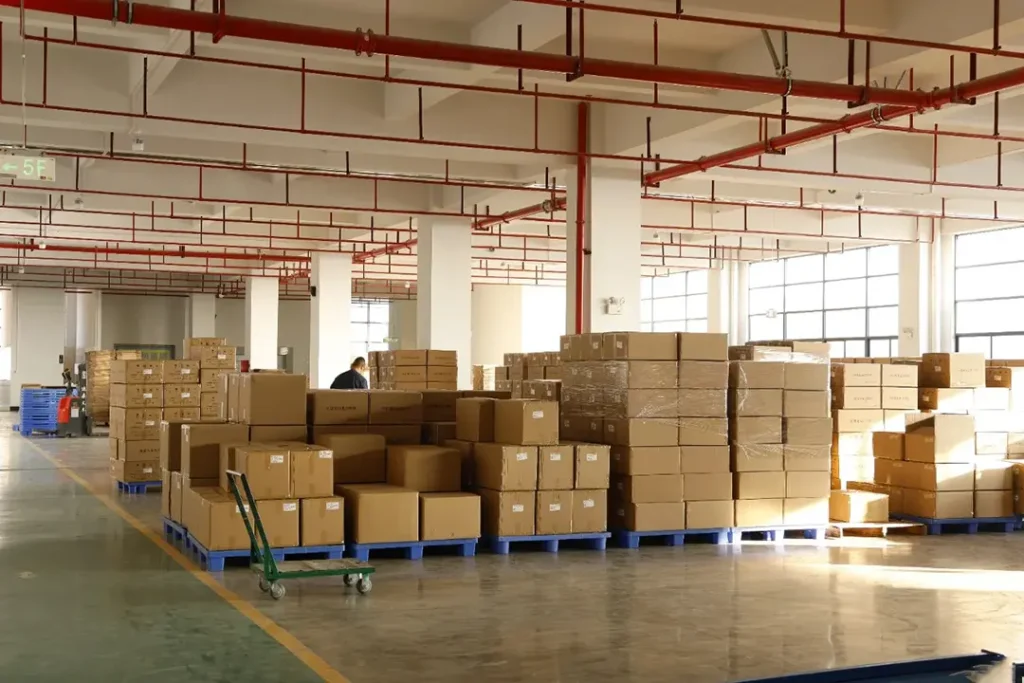
3) Хранение: картонные коробки не любят полы, солнечный свет или “временное” штабелирование
Картонные коробки для фар ведут себя иначе, чем коробки для прочных деталей. Они защищают большие, неудобные формы. Когда картонная упаковка деформируется, внутреннее позиционирование часто теряет свою работу.
Правила хранения, которые действительно работают
- Никогда не храните картонные коробки прямо на полу
- Используйте поддоны или стеллажи. Влажность и вода для мытья - убийцы коробок.
- Держите подальше от дверей доков и стен, выходящих на солнечную сторону
- Термоциклирование размягчает картонную упаковку и увеличивает ее деформацию.
- Отсутствие смешанного штабелирования с тяжелыми грузами
- Если на вашем складе используется “пространство для дозагрузки”, картонная упаковка с фарами станет жертвой дозагрузки.
Простая политика укладки
Если на конструкции коробки не указано, что она рассчитана на высокую штабелируемость, рассматривайте ее как таковую:
- “Только легкий стек”
- Укладывайте по площади, а не по тому, “насколько устойчиво это выглядит”.”
Большинство разрушений происходит из-за того, что что-то “выглядело стабильным” в течение 10 минут.
4) Ковыряние и внутренние перемещения: где рождаются потертости и сломанные вкладки
Самый рискованный момент на складе - это не приемка. Это внутренняя обработка, особенно при комплектации для повторной отгрузки.
Чему обучать (и что запрещать)
Поезд:
- Поднимите картонные коробки с дно, С двумя руками.
- Используйте тележки или поддоны для более чем нескольких картонных коробок.
- Храните картонные коробки в вертикальном положении в той ориентации, в которой они были доставлены.
Запрет:
- Перетаскивание картонных коробок по бетону
- переноска картонных коробок за один угол
- использование ножей для разрезания коробок, достаточно глубоких, чтобы достать до внутренней упаковки
Если вы соблюдаете только одно правило: никаких глубоких сокращений. Неглубокий порез медленнее на полсекунды; царапина на объективе стоит гораздо больше, чем полсекунды.
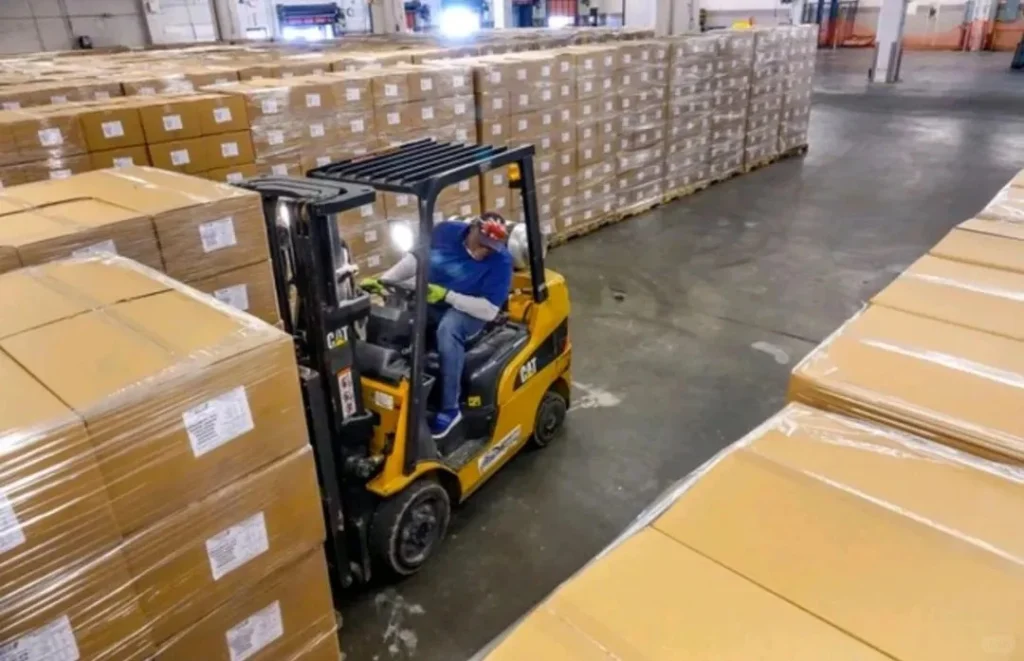
5) Проверка вскрытых коробок: как подтвердить, не причинив ущерба
Многие команды открывают картонные коробки, потому что хотят сократить возвраты. Как ни странно, неконтролируемое вскрытие увеличивает возврат.
Когда открытие уместно
- исключение - картонная упаковка (смятие, прокол, мокрое пятно)
- первая коробка новой партии (для подтверждения правильности группировки SKU, а не для аудита производительности)
- подозрительные возвраты при смешанных условиях
Как открыть, не оставляя потертостей
- Используйте безопасный резак, установленный на минимальную глубину.
- Осторожно снимите внутреннюю защиту - не сдвигайте фару с картона.
- Не кладите фару линзой вниз на верстак “на секундочку”.”
- Сначала положите чистый поролоновый коврик или мягкую ткань.
Правило переупаковки (именно здесь программы терпят неудачу)
Если коробка вскрыта, необходимо повторно упаковать ее:
- та же ориентация, что и при получении
- восстановление прежних защитных слоев
- никаких незакрепленных аксессуаров
Если переупаковка превращается в “все, что влезет”, ваш склад становится фабрикой повреждений.
6) Возврат и карантин: защита чистых запасов от “неизвестной истории”
Обращение с возвратом - это то место, где премиальные товары незаметно теряют свой статус премиальных.
Непреложное правило
Возвращенные проекционные фары oem не возвращаются на склад без определенного этапа проверки.
Этот шаг не должен быть сложным. Он должен быть последовательным.
Практичный двухуровневый стандарт возврата
- Уровень 1 (быстрый отказ)
- Картонная коробка переклеена, отсутствует внутренняя защита, явные царапины, сломанные крепления, влага внутри упаковки
→ немедленно классифицировать как не подлежащие продаже
- Картонная коробка переклеена, отсутствует внутренняя защита, явные царапины, сломанные крепления, влага внутри упаковки
- Уровень 2 (контрольная проверка)
- коробка чистая, но вскрытая
→ контролируемое вскрытие + проверка поверхности + подтверждение повторной упаковки
- коробка чистая, но вскрытая
Это позволит избежать суждения “он выглядел достаточно новым”, которое впоследствии приводит к взрывам.
7) Повторная поставка установщикам/перепродавцам: не позволяйте "последней миле" свести на нет вашу работу
Дистрибьюторы часто получают продукцию в прочных экспортных коробках, а затем пересылают отдельные единицы на места. Последняя миля - это жестоко: маленькие грузовики, смешанные грузы, быстрая обработка.
Лучшие практики повторных поставок на местном рынке
- Сохраняйте оригинальная внутренняя защита по возможности.
- Добавьте защиту углов или внешнюю коробку для одиночных курьерских маршрутов.
- Избегайте повторной отправки фары в коробке, которая “достаточно близка”.”
- Достаточно близкий контакт с линзами, затем потертости.
Чистое правило для курьерских маршрутов:
- Если он может перемещаться внутри коробки, он повредит себя.
8) Что на самом деле требует “OEM-чувство” после прибытия
Когда покупатели говорят, что хотят проекторные фары oem, Обычно они подразумевают, что клиентский опыт должен быть предсказуемым:
- чистый внешний вид из коробки
- никаких сомнений в том, что “это выглядит обработанным”.
- никаких мелких косметических повреждений, вызывающих запросы на возврат
- последовательное представление информации при повторных заказах
Эта последовательность создается не только в производстве. Она защищена в процессе распространения.
Складской стандарт - это не гламурно. Он не позволяет выигрывать листинги. Но он сохраняет вашу маржу в целости, потому что предотвращает самый неприятный исход в этом бизнесе: хороший продукт становится непригодным для продажи по нетехническим причинам.
Основные выводы (версия, которую можно вставить во внутренний СОП)
- Относитесь к картонным коробкам с фарами как к Хрупкий до хруста и хрупкий до ошметков, Не обычные коробки.
- Используйте сортировочные дорожки при получении: нормальный / удержанный / возврат-неизвестно.
- Хранить на полу, вдали от доков влажность, и вдали от тяжелых смешанных штабелей.
- Контролируйте вскрытие коробки и повторную упаковку - большинство потертостей на линзах случаются после прибытие.
- По умолчанию возвращается карантин. Неизвестная история никогда не должна смешиваться с чистыми запасами.
- Усовершенствуйте локальную пересылку, чтобы она соответствовала реальности курьерской обработки.
Вот как проекторные фары oem Оставайтесь “OEM” на всем пути к стенду установщика, не пытаясь решить проблему логистики, добавляя больше пены на заводе.

 English
  Español
  Tiếng Việt
  ไทย
ไทย  العربية
  Русский
  Bahasa Melayu
  Français
  Deutsch
  हिन्दी
  Bahasa Indonesia