
คนส่วนใหญ่ไม่หยุดใช้ ไฟกันชนรถยนต์ เพราะไฟดับ.
พวกเขาหยุดใช้พวกมันเพราะ การควบคุม รู้สึกน่ารำคาญ.
สวิตช์ไปอยู่ในตำแหน่งที่แปลกๆ ไฟติดขึ้นมาทั้งที่คุณไม่ต้องการ คุณลืมปิดไฟครั้งหนึ่ง แล้วตอนนี้ก็ไม่ไว้ใจระบบอีก หรือคุณสร้างอะไรสักอย่างที่มีห้าโหมดกับสองสี—แล้วถึงได้รู้ว่าเวลาขับรถปกติ คุณต้องการแค่พฤติกรรมง่ายๆ แบบเดียวเท่านั้น: เปิดเมื่อเหมาะสม ปิดเมื่อไม่จำเป็น และไม่มีเรื่องดราม่า.
บทความนี้เกี่ยวกับกลยุทธ์การควบคุมสำหรับ ไฟตกแต่งกระจังหน้าแบบ LED—วิธีการตัดสินใจ เมื่อ พวกเขาเปิดเครื่อง, อย่างไร คุณโต้ตอบกับพวกเขา และวิธีการจัดกลุ่มคุณสมบัติ (สีคู่, การจัดวางหลายโมดูล) โดยไม่ทำให้ห้องโดยสารกลายเป็นห้องนักบิน.
ไม่มีการเดินสายไฟ ไม่มีการแก้ไขปัญหา มีเพียงตรรกะการควบคุมที่ใช้งานได้จริงซึ่งเหมาะกับพฤติกรรมการขับขี่จริง.
เริ่มต้นด้วยคำถามที่หลายคนมักข้ามไป: “ไฟเหล่านี้กำลังทำงานอะไรอยู่?”
ก่อนที่คุณจะตัดสินใจเปลี่ยน ให้ตัดสินใจเลือกงานก่อน เพราะการตั้งค่าควบคุมที่ “ดีที่สุด” ขึ้นอยู่กับสิ่งที่คุณต้องการทำให้สำเร็จ.
ส่วนใหญ่การติดตั้งระบบไฟสำหรับบาร์บีคิวจะอยู่ในกรณีการใช้งานใดกรณีหนึ่งต่อไปนี้:
- การขับขี่ในชีวิตประจำวัน
คุณต้องการลายเซ็นที่สะอาดเมื่อคุณขับรถตามปกติ—ไม่มีอะไรที่ฉูดฉาด ไม่มีอะไรที่ดึงดูดความสนใจ แค่หน้าตาที่เรียบร้อยเท่านั้น. - การปรากฏตัวในสภาพอากาศไม่ดี / การมองเห็นต่ำ
คุณต้องการให้มองเห็นได้ในฝน หมอก หิมะ ฝุ่น—บ่อยครั้งสีเหลืองอำพันเป็นตัวเลือกที่เหมาะสม และคุณต้องการเข้าถึงได้อย่างรวดเร็ว. - การสื่อสารนอกเส้นทาง / ขบวนรถ / เส้นทาง
คุณต้องการไฟที่สามารถเปิด-ปิดได้ง่ายเมื่อคุณไม่ได้อยู่ในสภาพแวดล้อมการจราจรปกติ บางครั้งอาจมีการเปลี่ยนสีด้วย. - สถานที่ทำงาน / ทรัพย์สินส่วนบุคคล สาธารณูปโภค
คุณต้องการไฟที่มองเห็นได้ชัดเจนหรือไฟเตือน ซึ่งมักจะมีโหมดที่คุณไม่เคยใช้บนถนนสาธารณะ.
หากคุณผสมสิ่งเหล่านี้เข้าด้วยกันเป็นระบบควบคุมแบบ “ทำทุกอย่าง” คุณมักจะได้ผลลัพธ์ที่ไม่ถูกใจในสถานการณ์ใด ๆ ระบบที่สะอาดและชัดเจนมักจะ ระบบลำดับความสำคัญ: พฤติกรรมเริ่มต้นหนึ่งอย่าง และหนึ่ง แทนที่ สำหรับสถานการณ์พิเศษ.
รูปแบบการควบคุมสามแบบที่ครอบคลุมเกือบทุกคน
คุณสามารถสร้างรูปแบบได้หลากหลาย แต่ส่วนใหญ่แล้วการตั้งค่าพื้นฐานจะเป็นหนึ่งในรูปแบบเหล่านี้.
ตัวเลือก A: สวิตช์อิสระ (ควบคุมด้วยตนเอง)
นี่คือแบบคลาสสิก: คุณเป็นคนตัดสินใจเองว่าเมื่อไหร่จะเปิดไฟ.
ทำไมคนถึงชอบมัน
- เรียบง่ายและคาดเดาได้
- คุณสามารถปิดไฟในละแวกบ้าน โรงจอดรถ การตรวจสอบ ฯลฯ ได้.
- มันทำงานได้โดยไม่คำนึงว่าไฟโรงงานกำลังทำอะไรอยู่
ที่ที่ผู้คนรู้สึกหงุดหงิด
- คุณสามารถลืมพวกเขาไว้บน
- ถ้าคุณต้องการให้มันทำงานทุกครั้งที่ขับรถ การต้องกดสวิตช์ทุกครั้งจะกลายเป็นเรื่องน่าเบื่อ
- การวางสวิตช์ที่ไม่ดีทำให้แย่ลง
เหมาะที่สุดสำหรับ
- การใช้งานนอกถนน/ขบวนรถ ที่คุณไม่ต้องการให้ติดกับไฟโรงงาน
- คนที่ไม่อยากให้ไฟเปิดโดยอัตโนมัติ
- คนขับที่พิถีพิถันเกี่ยวกับเวลาที่ไฟหน้าด้านหน้าเปิด
หากคุณเลือกการควบคุมด้วยตนเอง ความสำเร็จของคุณส่วนใหญ่ขึ้นอยู่กับ ตำแหน่งสวิตช์ และ นิสัย. วางตัวควบคุมไว้ในตำแหน่งที่มือของคุณจะไปโดยธรรมชาติ และใช้สวิตช์ที่ให้ความรู้สึกตั้งใจ—บางสิ่งที่คุณจะไม่เผลอไปโดนโดยบังเอิญ.
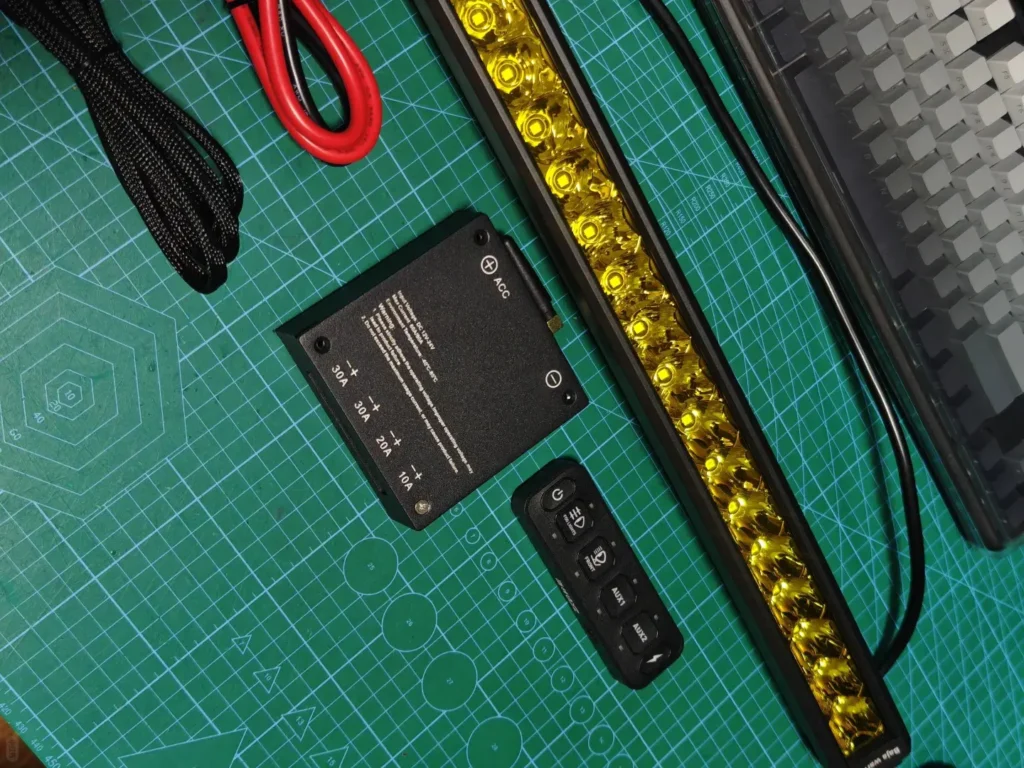
ตัวเลือก B: เปิดใช้งานโดย ACC (อัตโนมัติเมื่อสตาร์ทเครื่องยนต์)
ระบบควบคุม ACC หมายถึงไฟหน้าปัดจะทำงานตามกำลังไฟฟ้าของระบบจุดระเบิด: กุญแจเปิด = ไฟพร้อมใช้งาน (และมักจะเปิดอยู่), กุญแจปิด = ไฟจะปิดลงโดยอัตโนมัติ.
ทำไมคนถึงชอบมัน
- คุณไม่สามารถลืมพวกเขาได้บน
- “มันใช้งานได้ดี” สำหรับการขับขี่ในชีวิตประจำวัน
- รู้สึกใกล้เคียงกับพฤติกรรมของ OEM มากขึ้น
ที่ที่ผู้คนรู้สึกหงุดหงิด
- บางครั้งคุณไม่ต้องการให้ไฟสว่าง (ลานจอดรถ, ร้านอาหารแบบขับรถผ่าน, สภาพบางอย่าง)
- มันอาจรู้สึกเหมือน “พร้อมตลอดเวลา” หากคุณต้องการตัวเลือกที่ดูไม่เด่นชัด
เหมาะที่สุดสำหรับ
- ผู้ขับขี่ประจำวันที่ต้องการลายเซ็นที่สม่ำเสมอ
- คนที่ต้องการใช้ความคิดน้อยที่สุดและเสี่ยงน้อยที่สุดในการลืมปิดไฟ
การตั้งค่า ACC ที่ดีมักจะมีตัวเลือกการแทนที่ง่ายๆ: ตั้งค่าอัตโนมัติเป็นค่าเริ่มต้น แต่คุณสามารถปิดได้เมื่อต้องการ การผสมผสานนี้มักจะให้ผลลัพธ์ที่ดีที่สุด.
ตัวเลือก C: เชื่อมโยงกับไฟจอดรถ / ไฟต่ำ (การผสานแสงสว่างในโรงงาน)
นี่คือแนวทางที่ว่า “มันควรทำงานเหมือนเป็นส่วนหนึ่งของระบบไฟส่องสว่าง” ไฟตะแกรงจะติดพร้อมกับไฟจอดหรือไฟต่ำ.
ทำไมคนถึงชอบมัน
- มันสอดคล้องกับจังหวะแสงปกติของยานพาหนะ
- คุณมีแนวโน้มที่จะไม่เปิดไฟเตาย่างเมื่อไม่เหมาะสม
- มันดูกลมกลืนในตอนกลางคืน (โดยเฉพาะเมื่อใช้กับสีขาว)
ที่ที่ผู้คนรู้สึกหงุดหงิด
- คุณอาจต้องการไฟยางมะลิในเวลากลางวัน แต่ไม่ต้องการให้ไฟหน้าสว่าง
- ขึ้นอยู่กับยานพาหนะ วงจรจากโรงงานอาจมีความไวมากกว่าที่ผู้คนคาดคิด
- คุณจะสูญเสียการควบคุมอิสระ เว้นแต่คุณจะเพิ่มการควบคุมทับซ้อน
เหมาะที่สุดสำหรับ
- คนที่กำลังตามหาความโดดเด่นระดับ OEM พลัสในเวลากลางคืน
- ผู้ขับขี่ที่ต้องการไฟกระจังหน้าเฉพาะเมื่อรถอยู่ใน “โหมดเปิดไฟ” เท่านั้น”
หากเป้าหมายของคุณคือ “มีรสนิยมเสมอ ไม่ฉูดฉาด” แนวทางนี้สามารถทำงานได้ดีมาก—ตราบใดที่คุณยังคงควบคุมให้เรียบง่าย.
รูปแบบการควบคุมแบบ “ไม่เสียใจ” (รูปแบบที่คนส่วนใหญ่ลงเอยด้วยการชอบ)
หากคุณกำลังสร้างระบบสำหรับการใช้งานจริงในชีวิตประจำวัน นี่คือรูปแบบที่มักจะคงความเหมาะสมได้ดีเมื่อเวลาผ่านไป:
ค่าเริ่มต้น: ไฟจะทำงานตามไฟจุดระเบิดหรือไฟจอด
แทนที่: หนึ่งอย่างชัดเจน สวิตช์ ที่บังคับให้พวกเขาออกจากตำแหน่ง (และตำแหน่งที่สองสำหรับ “โหมดพิเศษ” หากต้องการ)
ทำไมสิ่งนี้ถึงได้ผล:
- คุณได้รับความสม่ำเสมอโดยไม่ต้องคิด
- คุณหลีกเลี่ยงความผิดพลาดจากแบตเตอรี่หมด
- คุณยังมีวิธีง่ายๆ ในการปิดใช้งานพวกมันได้ทันที
นอกจากนี้ การมีผู้ขับขี่มากกว่าหนึ่งคนก็ช่วยได้เช่นกัน ระบบควบคุมที่ซับซ้อนอาจไม่เป็นปัญหาตราบใดที่คู่สมรส เพื่อนร่วมงาน หรือเพื่อนของคุณยืมรถไปขับแล้วไม่มีความรู้ว่าจะกดอะไรหรือไม่ควรกดอะไร.
ตำแหน่งการติดตั้งสวิตช์: การตัดสินใจที่น่าเบื่อที่สุดที่ตัดสินทุกสิ่ง
ผู้คนใช้เวลาหลายชั่วโมงในการเลือกไฟ แต่กลับติดตั้งสวิตช์ไว้ตรงที่มีแผงว่างอยู่เฉยๆ.
คุณรู้สึกถึงทางเลือกนั้นทุกวัน.
หลักการวางตำแหน่งบางประการที่ทำให้ ไฟกันชนรถยนต์ อยู่ด้วยได้ง่ายกว่า:
- อย่าซ่อนสวิตช์หากคุณจะใช้บ่อย. สวิตช์ที่ซ่อนอยู่เป็นสิ่งที่ดีจนกว่าคุณจะต้องการเปลี่ยนอะไรบางอย่างขณะขับรถ.
- อย่าวางในที่ที่เข่าจะชน. การสลับโดยไม่ตั้งใจเกิดขึ้นบ่อยกว่าที่คนยอมรับ.
- อย่าทำให้การเปลี่ยนแปลงดูเหมือนเป็นสิ่งที่คิดขึ้นทีหลัง. การติดตั้งใหม่ทั้งหมดให้ความรู้สึกที่ดีกว่าในการใช้งาน และคุณจะใช้งานมันมากขึ้น.
หากคุณต้องการให้การตั้งค่ารู้สึกเหมือน “โรงงาน” ให้คิดถึงวิธีการควบคุมในโรงงาน: สามารถเข้าถึงได้, สม่ำเสมอ, และไม่ซับซ้อน.
ไฟ LED สองสีสำหรับเตาย่าง: รักษาตรรกะให้เป็นเรื่องของมนุษย์
สีคู่ดูสนุกจนกว่าจะกลายเป็นน่ารำคาญ จุดมุ่งหมายไม่ใช่การมีตัวเลือกมากขึ้น—แต่คือการมี ถูกต้อง ตัวเลือก.
นี่คือวิธีการควบคุมที่ยังคงความสมเหตุสมผล:
แนวทางที่ 1: สีขาว = สไตล์, สีเหลืองอำพัน = สภาพอากาศ
นี่คือโมเดลทางความคิดที่สะอาดที่สุด.
- ขาว สำหรับการปรากฏตัวในชีวิตประจำวันทั่วไป (ถ้านั่นคือสิ่งที่คุณชอบ)
- แอมเบอร์ สำหรับฝน/หมอก/ฝุ่น หรือเมื่อคุณต้องการให้มองเห็นได้ชัดเจนยิ่งขึ้น
คำแนะนำในการควบคุม:
- สวิตช์หนึ่งตัวสำหรับเปิด/ปิด
- สวิตช์เปิด-ปิดรองหนึ่งตัว (หรือสวิตช์ที่สอง) สำหรับเลือกสี
สิ่งสำคัญคือคุณไม่ได้ “เล่นกับโหมด” แต่คุณกำลังเลือกวัตถุประสงค์.
แนวทางที่ 2: ใช้สีเหลืองอำพันเฉพาะสำหรับ “ฉันต้องการให้มองเห็น”
คนขับบางคนชอบที่จะไม่ใช้ไฟสีขาวเลยและใช้ไฟสีเหลืองอำพันเป็นเครื่องมือตามสถานการณ์เท่านั้น นี่เป็นวิธีการที่ปฏิบัติได้จริงมาก โดยเฉพาะในภูมิภาคที่มีสภาพอากาศไม่ดีหรือบนยานพาหนะที่มีสีเข้ม.
คำแนะนำในการควบคุม:
- การควบคุมด้วยมืออย่างง่าย หรือการผสานการทำงานกับไฟจอดรถพร้อมระบบยกเลิกคำสั่ง
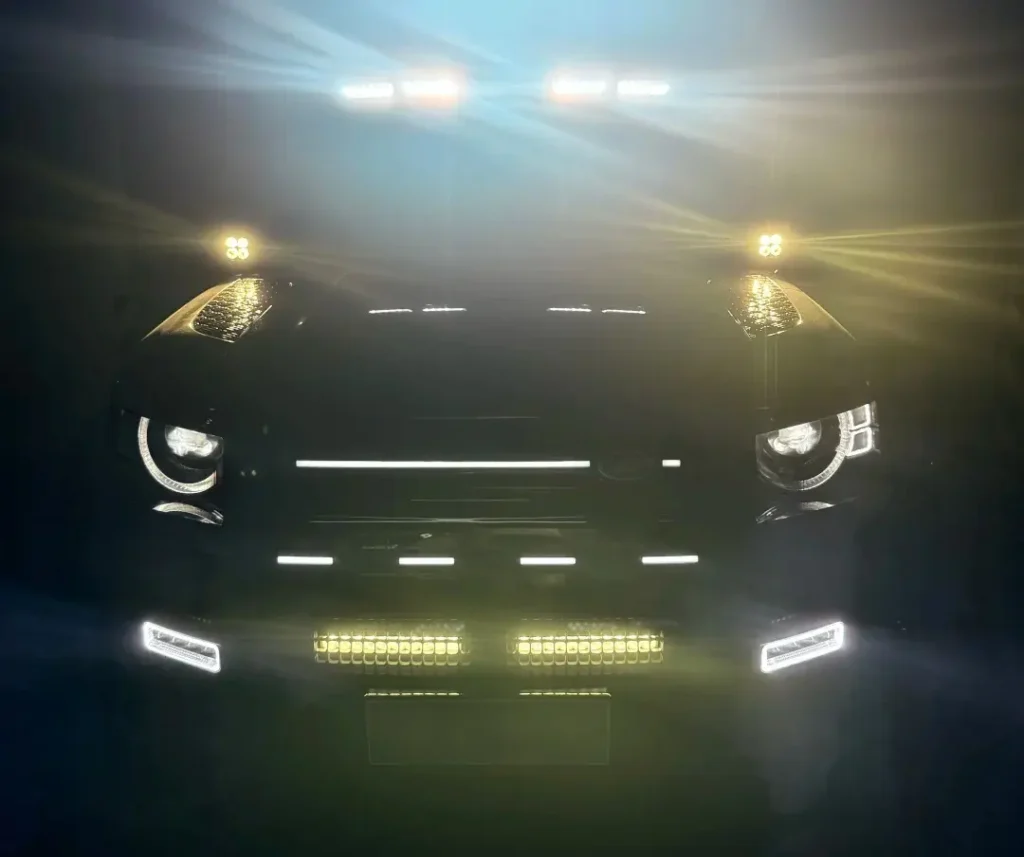
แนวทางที่ 3: ตั้งค่าเริ่มต้นเป็นสีขาว ถือว่าสีเหลืองอำพันเป็นตัวเลือกชั่วคราว/เฉพาะกิจ
หากคุณชอบสีขาวเป็นส่วนใหญ่ แต่บางครั้งต้องการสีอำพัน อย่าซ่อนสีอำพันไว้หลังปุ่มโหมดห้าปุ่ม ทำให้เข้าถึงได้ง่ายและออกจากได้ง่าย.
บทเรียน: หากการเปลี่ยนสีต้องใช้การกระทำที่ตั้งใจมากกว่าหนึ่งครั้ง คุณจะไม่ได้ทำมัน. คุณจะปล่อยให้มันคงสีเดียวตลอดไปหรือหยุดใช้มัน.
โมดูลหลายชุด (4 พ็อด, 6 พ็อด, 8 พ็อด): การจัดกลุ่มอย่างไร้ความวุ่นวาย
เมื่อคุณมีไฟหลายดวงติดตั้งอยู่ทั่วกระจังหน้า อาจมีความน่าดึงดูดใจที่จะให้แต่ละดวงมีช่องสัญญาณของตัวเอง นั่นคือวิธีที่คุณจะลงเอยด้วยความยุ่งเหยิง.
สำหรับการสร้างส่วนใหญ่ในโลกจริง การจัดกลุ่มจะดูเรียบร้อยกว่า:
การจัดกลุ่มแนวคิด A: “รวมกันทั้งหมด” (พบได้บ่อยที่สุด)
ไฟย่างทั้งหมดทำงานเป็นหนึ่งเดียว เรียบง่าย สมมาตร และไม่ซับซ้อน.
วิธีนี้จะได้ผลดีที่สุดเมื่อเลย์เอาต์ของคุณมีความสมมาตรและเป้าหมายของคุณคือการสร้างลายเซ็นที่สม่ำเสมอ.
กลุ่มแนวคิด B: “ศูนย์กลางกับรอบนอก”
- คู่ตรงกลาง = ละเอียดอ่อน / ทุกวัน
- ไฟด้านนอก = การปรากฏตัวเพิ่มเติม (หรือสีที่แตกต่าง)
สิ่งนี้สามารถดูดีได้หากการออกแบบกระจังหน้าของคุณรองรับ นอกจากนี้ยังช่วยให้คุณรักษาลุคที่ดูสะอาดตาในชีวิตประจำวัน และเพิ่มความเข้มข้นเฉพาะเมื่อคุณต้องการ.
การจัดกลุ่มแนวคิด C: “ช่องสีขาวเทียบกับช่องสีเหลืองอำพัน”
หากคุณมีโมดูลสีเหลืองอำพันแบบสองสีหรือแยกกัน ให้ถือว่าสีเป็นช่องทาง ไม่ใช่โมดูลแต่ละตัว.
กล่าวอีกนัยหนึ่ง: อย่าให้สมองของคนขับต้องจัดการกับไฟแปดดวงแยกกัน ให้มันจัดการกับ สองพฤติกรรม.
โหมดวินัย: แค่เพราะคุณ สามารถ แฟลชไม่ได้หมายความว่าคุณควร
นี่คือที่ที่ผู้คนสร้างการตั้งค่าที่น่าประทับใจทางเทคนิคและทำให้เหนื่อยล้าทางสังคม.
โหมดการกระพริบมีประโยชน์อย่างถูกต้อง:
- การสื่อสารของขบวนรถออฟโรด
- การมองเห็นสถานที่ทำงานบนที่ดินส่วนบุคคล
- สถานการณ์การกู้คืนที่คุณจำเป็นต้องชัดเจน
แต่บนถนนทั่วไป การกระพริบไฟอย่างต่อเนื่องจะทำให้รถที่ดูสะอาดกลายเป็นปัญหาได้อย่างรวดเร็ว—ทัศนวิสัยกลายเป็นสิ่งรบกวน และสิ่งรบกวนนั้นจะกลายเป็นความสนใจที่คุณไม่ต้องการ.
กฎระยะยาวที่ดีที่สุดคือกฎที่ง่าย:
ใช้โหมดปกติสำหรับการขับขี่ทั่วไป เก็บโหมดไดนามิกไว้ใช้ในสถานการณ์ที่จำเป็นจริง ๆ เท่านั้น.
หากคุณสร้างระบบควบคุมของคุณตามปรัชญานี้ คุณจะเพลิดเพลินกับไฟย่างของคุณได้นานขึ้น และดึงดูดความสนใจเชิงลบได้น้อยลง.
“ความรู้สึกแบบ OEM” ไม่ใช่ผลิตภัณฑ์—แต่เป็นพฤติกรรม
ผู้คนมักอธิบายการตั้งค่าว่า “OEM” เมื่อ:
- มันเปิดและปิดในลักษณะที่สามารถคาดการณ์ได้
- มันไม่ต้องการการป้อนข้อมูลอย่างต่อเนื่อง
- มันไม่สร้างช่วงเวลาที่อึดอัดในขณะจราจร
- มันสอดคล้องกับจังหวะไฟของรถ
นั่นคือเหตุผลว่าทำไมระบบควบคุมจึงมีความสำคัญไม่แพ้กับตัวโคมไฟเอง.
ระบบควบคุมที่สะอาดควรสามารถตอบคำถามต่อไปนี้ได้อย่างชัดเจน:
- เมื่อฉันสตาร์ทรถยนต์ เกิดอะไรขึ้น?
- ฉันสามารถปิดไฟได้ทันทีโดยไม่ต้องคิดได้ไหม?
- หากมีผู้อื่นขับรถของฉัน พวกเขาจะเข้าใจมันหรือไม่?
- มีโหมดเริ่มต้นที่ฉันพอใจ 95% ของเวลาหรือไม่?
ถ้าคุณสามารถตอบคำถามเหล่านั้นได้ คุณก็ถือว่าชนะไปแล้ว.
รายการตรวจสอบการควบคุมอย่างง่าย (ใช้ก่อนที่คุณจะดำเนินการ)
ก่อนที่คุณจะทำการตั้งค่าให้เสร็จสมบูรณ์ ให้ตรวจสอบสิ่งเหล่านี้เหมือนเป็นการทดสอบความถูกต้องอย่างรวดเร็ว:
- พฤติกรรมเริ่มต้น: ฉันต้องการให้สิ่งเหล่านี้เปิดใช้งานโดยค่าเริ่มต้น หรือเฉพาะเมื่อฉันเลือกเท่านั้น?
- แทนที่: ฉันสามารถปิดพวกมันได้อย่างรวดเร็วโดยไม่ต้องค้นหาสวิตช์ที่ซ่อนอยู่ได้หรือไม่?
- สีตามตรรกะ (หากเป็นสองสี): การเลือกสีชัดเจนและทำซ้ำได้หรือไม่?
- ตรรกะกลุ่ม: ฉันกำลังควบคุมพฤติกรรม (ดี) หรือควบคุมไฟแต่ละดวง (มากเกินไป)?
- การขับรถในเวลากลางคืน: นี่จะดูเหมาะสมและไม่รบกวนสายตาขณะอยู่ในที่สาธารณะหรือไม่?
- ผู้ขับขี่อื่น ๆ: มีใครอื่นเข้าใจมันได้ภายใน 10 วินาทีไหม?
หากแผนของคุณล้มเหลวที่ #6 ให้ทำให้เรียบง่ายขึ้น จริงจังเลย ข้อแนะนำนี้ช่วยประหยัดความเสียใจได้มาก.
สรุป: การติดตั้งไฟสำหรับเตาย่างที่ดีที่สุด คือแบบที่คุณจะใช้งานอย่างต่อเนื่อง
มากมาย ไฟตกแต่งกระจังหน้าแบบ LED เนื้อหาเน้นที่สิ่งที่ดูเท่ในวันแรก การใช้งานประจำวันนั้นแตกต่างออกไป การใช้งานประจำวันจะให้คุณค่ากับความเรียบง่าย.
หากคุณต้องการการตั้งค่าที่ยังคงความสนุกสนาน:
- เลือกหนึ่งพฤติกรรมเริ่มต้นที่เหมาะกับชีวิตการขับขี่ของคุณ
- เพิ่มการแทนที่หนึ่งครั้งสำหรับเวลาที่คุณต้องการสิ่งที่แตกต่าง
- รักษาการตัดสินใจเรื่องสี/โหมดให้ง่าย ไม่ซ่อนอยู่หลังตรรกะแบบ “กดสามครั้ง”
ทำเช่นนั้น แล้วของคุณ ไฟกันชนรถยนต์ จะไม่กลายเป็นสิ่งแปลกใหม่ที่คุณเลิกใช้ แต่จะกลายเป็นส่วนหนึ่งของการนำเสนอตัวตนของรถคุณ—สะอาด สม่ำเสมอ และใช้งานได้ง่าย.
 English
  Español
  Tiếng Việt
  ไทย
ไทย  العربية
  Русский
  Bahasa Melayu
  Français
  Deutsch
  हिन्दी
  Bahasa Indonesia